Understanding the best time for cultural tours Uganda is important for travelers who want to experience the country’s remarkable traditions, heritage, ceremonies, music, dance, cuisine, and community life at its very best. While Uganda is globally recognized for mountain gorillas, chimpanzees, wildlife safaris, and spectacular landscapes, the country’s cultural diversity is equally impressive. Home to more than 60 indigenous ethnic groups, Uganda offers one of Africa’s richest cultural tourism experiences.
Every region of Uganda tells a different story. From the cattle-keeping communities of Ankole and Karamoja to the ancient kingdoms of Buganda, Bunyoro, Tooro, and Busoga, visitors can discover traditions that have survived for centuries. Cultural tours allow travelers to interact directly with local communities, participate in traditional activities, learn about historical sites, sample authentic cuisine, listen to fascinating stories, and gain insights into the lifestyles that shape modern Uganda.
One of the greatest advantages of cultural tourism in Uganda is that it can be enjoyed throughout the year. Unlike some wildlife activities that are highly dependent on seasonal movements, cultural experiences remain available in every season. However, weather patterns, community activities, agricultural cycles, traditional ceremonies, and festival calendars can influence the overall experience. Choosing the right time can make cultural encounters more rewarding and comfortable.
Why Cultural Tourism in Uganda is Unique
Uganda’s cultural diversity is extraordinary. The country sits at the crossroads of East Africa, Central Africa, and the Great Lakes region, creating a blend of traditions unlike anywhere else on the continent. Visitors can experience royal kingdoms, pastoral lifestyles, forest communities, fishing villages, mountain cultures, agricultural traditions, and urban heritage within a single itinerary.
Cultural tourism offers more than sightseeing. It creates opportunities for meaningful engagement with local people. Visitors can learn how traditional drums are made, watch dance performances, participate in food preparation, visit local markets, explore royal palaces, learn about traditional medicine, and hear stories passed down through generations.
For many travelers, cultural experiences become the most memorable part of a Uganda safari because they create personal connections that wildlife viewing alone cannot provide.
Understanding Uganda’s Climate and Travel Seasons
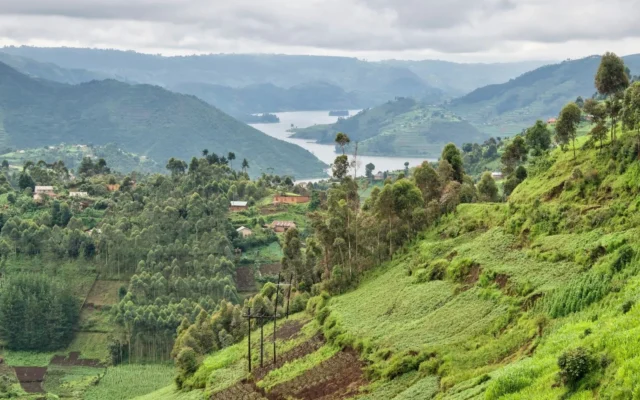
To determine the best time for cultural tours Uganda, it is helpful to understand the country’s climate. Uganda experiences a tropical climate moderated by altitude. Temperatures remain relatively pleasant throughout the year, with most regions experiencing daytime temperatures between 22°C and 30°C.
The country has two main dry seasons and two rainy seasons:
- Major Dry Season: June to August
- Short Dry Season: December to February
- Long Rainy Season: March to May
- Short Rainy Season: September to November
Each season offers different advantages for cultural tourism, and the best choice depends on your interests and travel style.
Best Time for Cultural Tours During the Dry Seasons
The dry seasons are generally considered the most favorable periods for cultural travel. Roads are easier to navigate, village paths remain accessible, and outdoor activities can be enjoyed without significant interruptions from rainfall.
The months of June, July, and August are particularly popular because they coincide with Uganda’s peak safari season. Travelers often combine cultural experiences with gorilla trekking, chimpanzee tracking, game drives, and birdwatching.
December, January, and February also provide excellent conditions. These months often coincide with holiday celebrations, weddings, family gatherings, and cultural events, offering unique opportunities for visitors to witness community life.
During the dry seasons, visitors can comfortably participate in village walks, cultural performances, traditional ceremonies, market visits, historical tours, and community projects.
Cultural Tours During the Rainy Seasons
Although many travelers prefer the dry seasons, the rainy months should not be overlooked. Cultural experiences remain available throughout the year, and some travelers actually prefer visiting during wetter periods.
The rainy seasons bring lush green landscapes, active farming communities, and fewer tourists. Visitors may have more personal interactions with local residents because tourism sites are less crowded.
Agricultural activities become particularly visible during these months. Travelers can observe planting, harvesting, food preparation, livestock management, and other seasonal activities that form an important part of Ugandan culture.
The primary consideration during rainy periods is transportation. Some rural roads may become muddy, particularly in remote regions. Working with an experienced tour operator helps ensure smooth logistics.
Best Time to Visit the Batwa Community
The Batwa Cultural Experience is one of Uganda’s most important cultural tourism activities. The Batwa are the original forest inhabitants of southwestern Uganda and lived for centuries in the forests surrounding present-day Bwindi Impenetrable National Park and Mgahinga Gorilla National Park.
Visitors participating in Batwa experiences learn about traditional hunting techniques, medicinal plants, food gathering practices, music, dance, storytelling, and survival skills. The experience offers a fascinating insight into a way of life that depended entirely on the forest.
The dry seasons are generally preferred because forest trails are easier to navigate. However, Batwa experiences remain rewarding throughout the year and are commonly combined with gorilla trekking in Uganda.
Best Time to Experience Karimojong Culture
The Karimojong people of northeastern Uganda offer one of East Africa’s most authentic cultural experiences. Their pastoral lifestyle revolves around cattle, family traditions, community structures, and ceremonies that have been maintained for generations.
Visitors to Karamoja can tour traditional manyattas, learn about cattle culture, observe traditional dances, hear stories about warrior traditions, and engage with local artisans.
The best time to visit Karamoja is generally during the dry seasons when roads are more accessible and outdoor activities are easier to enjoy. Many travelers combine Karimojong cultural experiences with safaris in Kidepo Valley National Park, one of Africa’s most spectacular wilderness destinations.
Best Time to Explore the Buganda Kingdom
The Buganda Kingdom is Uganda’s largest and most influential traditional kingdom. It has played a central role in the country’s political, cultural, and historical development.
Cultural attractions include the Kasubi Tombs, Kabaka’s Palace, Bulange Parliament, cultural museums, royal sites, and traditional ceremonies. These experiences are available year-round because most sites are located in or near Kampala.
Visitors interested in history, governance, architecture, and royal traditions often spend several days exploring Buganda heritage as part of a broader Uganda cultural itinerary.
Best Time to Experience Ankole Culture
The Ankole region of western Uganda is renowned for its magnificent long-horned cattle, pastoral traditions, and hospitality. Cultural tours often focus on livestock management, milk production, traditional foods, family life, and local customs.
Dry seasons offer excellent opportunities to observe cattle grazing and participate in outdoor activities. However, Ankole experiences remain accessible throughout the year.
Many visitors combine Ankole cultural tours with safaris in Lake Mburo National Park because the park lies within the traditional Ankole region.
Traditional Music and Dance Experiences
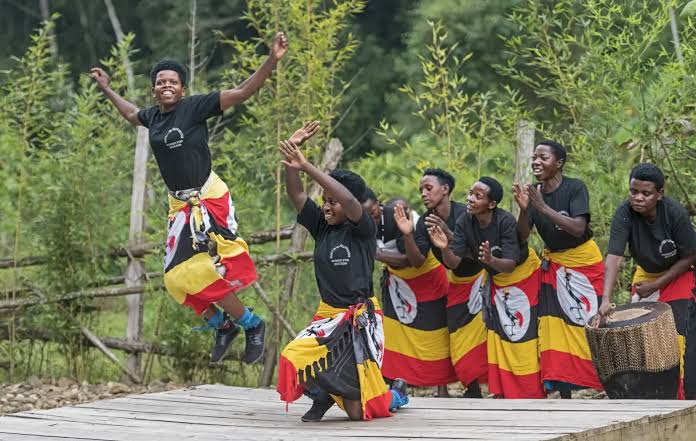
Music and dance form an essential part of Ugandan culture. Every region has distinctive rhythms, instruments, songs, and dance styles that reflect local identity and history.
Travelers can enjoy performances featuring traditional drums, xylophones, harps, flutes, and other indigenous instruments. Dance performances often celebrate harvests, marriages, royal events, initiation ceremonies, and community achievements.
The dry seasons provide ideal conditions for outdoor performances, although cultural centers and community groups organize shows throughout the year.
Best Time for Community-Based Tourism
Community tourism in Uganda allows visitors to engage directly with local residents while supporting sustainable development initiatives. Activities may include village walks, school visits, craft workshops, coffee tours, farming experiences, and homestays.
Community tourism can be enjoyed year-round, but the dry seasons generally provide greater flexibility for walking tours and outdoor activities. Visitors often appreciate the opportunity to learn about daily life from local perspectives rather than simply observing from a distance.
Community tourism projects near Bwindi, Kibale Forest, Queen Elizabeth National Park, Lake Bunyonyi, and Sipi Falls are among the most popular in Uganda.
Cultural Festivals in Uganda
Uganda hosts numerous cultural festivals celebrating music, dance, food, heritage, and community identity. These events offer visitors a unique opportunity to experience multiple traditions in one location.
Festival dates vary by region and year, but many occur during dry periods when large gatherings are easier to organize. Travelers interested in attending festivals should plan ahead and consult local event calendars.
Cultural festivals often feature traditional performances, storytelling, craft exhibitions, local cuisine, sporting activities, and educational programs.
Combining Cultural Tours with Gorilla Trekking
One of the most popular safari combinations is cultural tourism and gorilla trekking. Visitors traveling to Bwindi Impenetrable National Park frequently include Batwa experiences, village walks, coffee tours, and community visits in their itinerary.
The dry seasons provide optimal conditions for both gorilla trekking and cultural activities. However, travelers can enjoy this combination throughout the year with proper planning.
This combination creates a balanced itinerary that highlights both Uganda’s natural and cultural heritage.
Combining Cultural Tours with Wildlife Safaris
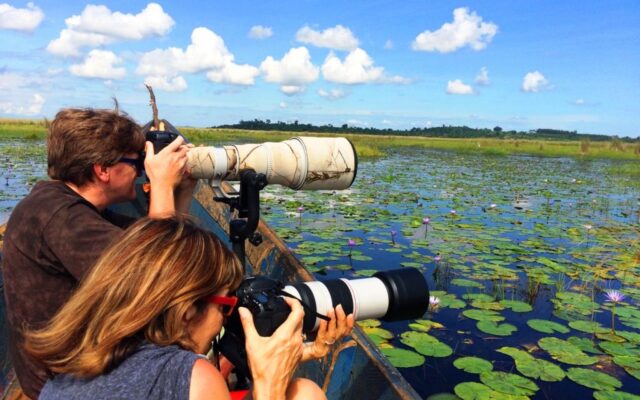
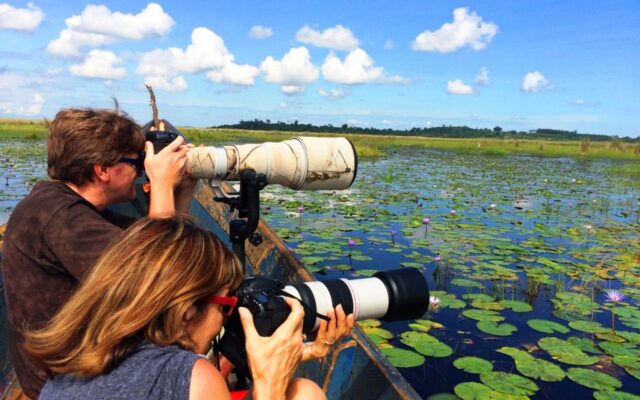
Cultural experiences can enhance traditional wildlife safaris by providing context about the people who live near protected areas. Travelers visiting Murchison Falls, Queen Elizabeth, Lake Mburo, and Kidepo Valley National Parks often incorporate nearby cultural attractions into their itinerary.
These experiences create a more comprehensive understanding of Uganda and demonstrate the relationship between conservation and local communities.
Month-by-Month Cultural Tourism Guide
| Month | Cultural Travel Conditions |
|---|---|
| January | Excellent |
| February | Excellent |
| March | Very Good |
| April | Good |
| May | Good |
| June | Excellent |
| July | Excellent |
| August | Excellent |
| September | Very Good |
| October | Very Good |
| November | Very Good |
| December | Excellent |
Frequently Asked Questions About Cultural Tours Uganda
What is the best month for cultural tours in Uganda?
January, February, June, July, and August are generally considered the best months because of favorable weather and easier travel conditions.
Can cultural tours be combined with safari activities?
Yes. Cultural experiences are commonly combined with gorilla trekking, chimpanzee tracking, wildlife safaris, birding tours, and adventure activities.
Are cultural tours suitable for families?
Absolutely. Cultural experiences are educational, interactive, and suitable for visitors of all ages.
How long should a cultural tour in Uganda be?
A dedicated cultural itinerary can range from three days to two weeks, depending on the regions and communities included.
Conclusion
The best time for cultural tours Uganda is generally during the dry seasons from December to February and June to August when travel conditions are most favorable and outdoor activities can be enjoyed comfortably. However, Uganda’s rich cultural heritage can be experienced throughout the year, with each season offering unique perspectives on community life, traditions, ceremonies, and local customs.
Whether you are exploring the royal heritage of Buganda, learning from the Batwa people of southwestern Uganda, visiting the cattle keepers of Ankole, experiencing Karimojong traditions, or participating in community tourism projects, cultural tours provide an authentic and enriching way to discover Uganda beyond its wildlife. Combined with gorilla trekking, wildlife safaris, and birding adventures, cultural tourism creates a truly complete Uganda travel experience.
 Read
Read