
The best time for Mount Elgon hiking is one of the most important factors to consider when planning a trekking adventure in eastern Uganda. Rising to an elevation of 4,321 meters above sea level, Mount Elgon is one of East Africa’s most impressive mountains and offers one of the continent’s most rewarding hiking experiences. Unlike the rugged and highly demanding Rwenzori Mountains, Mount Elgon provides a gentler ascent, diverse ecosystems, breathtaking scenery, and a variety of trekking routes suitable for both experienced hikers and adventurous beginners.
Located on the Uganda-Kenya border, Mount Elgon National Park is home to the largest volcanic base in the world and one of the largest intact volcanic calderas on Earth. The mountain is famous for its waterfalls, caves, cliffs, forests, hot springs, moorlands, wildlife, birdlife, and spectacular summit landscapes. Hiking Mount Elgon allows visitors to experience changing vegetation zones, panoramic views, unique Afro-alpine habitats, and rich cultural encounters with local communities.
Although hiking is possible throughout the year, weather conditions greatly influence trail accessibility, visibility, photography opportunities, and overall trekking comfort. Choosing the right season can make your Mount Elgon adventure safer, more enjoyable, and more rewarding.
Why Mount Elgon is One of Africa’s Best Hiking Destinations
Many travelers are surprised to discover that Mount Elgon offers one of East Africa’s most accessible high-altitude trekking experiences. Unlike Mount Kilimanjaro, which attracts large numbers of climbers, Mount Elgon remains relatively uncrowded. Trekkers often enjoy long stretches of wilderness without encountering other groups, creating a more peaceful and immersive experience.
Mount Elgon offers several advantages:
- Less crowded trails compared to other African mountains.
- Gradual ascents that reduce altitude-related challenges.
- Diverse ecosystems ranging from rainforest to alpine vegetation.
- Numerous waterfalls and caves.
- Excellent birdwatching opportunities.
- Spectacular viewpoints and crater landscapes.
- Cultural interactions with local communities.
- Suitable routes for both short hikes and multi-day expeditions.
The mountain is ideal for travelers seeking adventure without the extreme technical challenges associated with some of Africa’s highest peaks.
Understanding Mount Elgon’s Climate
To understand the best time for Mount Elgon hiking, it is important to understand the mountain’s climate. Because of its elevation, Mount Elgon experiences cooler temperatures than much of Uganda. Weather conditions vary significantly depending on altitude.
Lower elevations tend to be warm and humid, while higher zones can be cold, windy, and occasionally misty. Rainfall occurs throughout the year, but certain periods experience considerably drier conditions.
Uganda’s main seasons include:
- Major Dry Season: June to August
- Short Dry Season: December to February
- Long Rainy Season: March to May
- Short Rainy Season: September to November
Because Mount Elgon creates its own microclimate, weather can change rapidly even during traditionally dry months.
Best Time to Hike Mount Elgon During the Dry Seasons
June to August
The period from June through August is widely considered the best season for hiking Mount Elgon. Rainfall is generally lower, making trails easier to navigate and reducing the likelihood of slippery conditions.
Trekkers enjoy clearer views, improved photography opportunities, and greater comfort during long hiking days. Wildlife viewing and birdwatching are also excellent during this period because trails remain accessible and visibility improves.
Many tour operators consider July and August the peak trekking months for Mount Elgon.
December to February
The second dry season from December through February is equally popular among hikers. Conditions are generally favorable, and the mountain often offers excellent visibility from lower slopes to the summit region.
This period coincides with international holiday travel, making it one of the busiest times of the year. Travelers should book accommodation and guides in advance, particularly around Christmas and New Year.
Mount Elgon Hiking During the Rainy Seasons
The rainy seasons from March to May and September to November can make Mount Elgon trekking more challenging. Trails often become muddy and slippery, particularly in forested areas. Streams may swell after heavy rains, and cloud cover can occasionally limit visibility.
However, rainy-season hiking has advantages. The mountain becomes exceptionally green, waterfalls flow more powerfully, and fewer visitors are on the trails. Photographers often appreciate the dramatic cloud formations and vibrant landscapes that characterize these periods.
Experienced hikers equipped with proper gear can still enjoy successful treks during the rainy months.
The Sasa Trail – Mount Elgon’s Most Popular Route
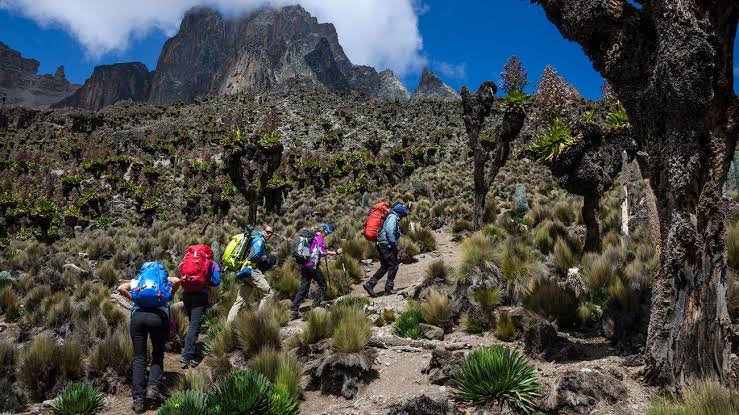
The Sasa Trail is the shortest and most direct route to Wagagai Peak, the highest point on Mount Elgon. Beginning near Budadiri, the trail quickly gains elevation and passes through bamboo forests, heathland, and alpine zones.
The Sasa Trail is physically demanding due to its steep initial ascent but rewards hikers with spectacular scenery and relatively quick summit access.
The best time to hike the Sasa Trail is during the dry seasons when steep sections are less slippery and easier to navigate.
The Sipi Trail – Most Scenic Mount Elgon Route
The Sipi Trail begins near the famous Sipi Falls and is considered one of the most scenic routes on Mount Elgon. The trail passes through farmland, forests, caves, waterfalls, and open moorland before reaching higher elevations.
Many hikers prefer the Sipi Trail because it provides a more gradual ascent and outstanding landscape photography opportunities. The route is particularly beautiful during the dry seasons when visibility is excellent.
The Sipi Trail is ideal for travelers seeking a balance between adventure, scenery, and cultural encounters.
The Piswa Trail – The Longest and Most Gradual Route
The Piswa Trail begins on the northern side of Mount Elgon and offers the longest but most gradual ascent to the summit. This route is often chosen by trekkers who prefer a less strenuous climb and greater opportunities to observe wildlife.
The trail passes through remote landscapes and provides panoramic views of Karamoja, Kapchorwa, and the surrounding plains. Dry-season conditions are generally preferred because the route covers long distances and can become challenging after heavy rainfall.
Many experienced trekkers combine the Piswa Trail with another route for a complete Mount Elgon traverse.
Reaching Wagagai Peak
Wagagai Peak is the highest point on Mount Elgon and stands at 4,321 meters above sea level. Reaching the summit is the primary objective for many hikers visiting the mountain.
Unlike some high-altitude peaks, Wagagai can be reached without technical climbing equipment. However, multi-day trekking, proper acclimatization, and reasonable fitness levels are required.
The dry seasons provide the best summit conditions because visibility is often clearer and trails are easier to navigate.
Best Time to Visit Sipi Falls
Many visitors combine Mount Elgon hiking with visits to the famous Sipi Falls. The area features three spectacular waterfalls, scenic hiking trails, coffee farms, caves, and panoramic viewpoints.
The dry seasons provide easier hiking conditions, while the rainy seasons increase water flow and make the falls even more dramatic.
Both seasons offer rewarding experiences depending on whether visitors prioritize trail comfort or waterfall intensity.
Best Time for Birdwatching on Mount Elgon
Mount Elgon National Park is one of Uganda’s most important birding destinations, hosting more than 300 bird species. Birdwatchers can observe forest birds, raptors, high-altitude specialists, and several species associated with the Albertine Rift region.
The dry seasons generally provide better hiking conditions for birders, while some rainy-season periods coincide with increased bird activity and breeding behavior.
Notable species include Jackson’s Francolin, Hartlaub’s Turaco, Tacazze Sunbird, and numerous endemic and migratory birds.
Wildlife on Mount Elgon
Although Mount Elgon is primarily known for hiking, the national park also supports a variety of wildlife. Visitors may encounter:
- Blue monkeys
- Black-and-white colobus monkeys
- Bushbucks
- Duikers
- Forest elephants (rarely seen)
- Buffaloes
- Hyraxes
- Numerous bird species
Wildlife encounters are often more common at lower elevations where forest habitats dominate.
Mount Elgon Caves and Hot Springs
One of the mountain’s unique attractions is its network of caves. Historically, elephants entered some caves to extract salt from exposed rock surfaces. These caves remain fascinating stops during hiking expeditions.
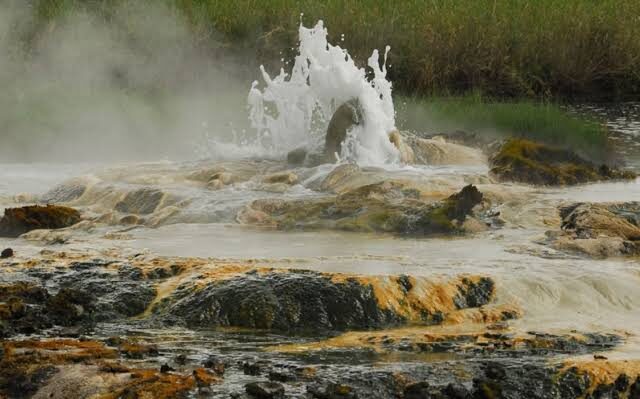
The mountain also features natural hot springs within the caldera area. Reaching these geothermal features provides an additional highlight for multi-day trekkers.
Dry-season hiking generally makes access to these attractions easier.
Combining Mount Elgon with Other Uganda Destinations
Mount Elgon can easily be combined with other eastern Uganda attractions such as:
- Sipi Falls
- Pian Upe Wildlife Reserve
- Jinja and the Source of the Nile
- Mabira Forest
- Karamoja cultural tours
- Kidepo Valley National Park
Many travelers include Mount Elgon as part of a broader adventure itinerary that combines hiking, wildlife, culture, and outdoor activities.
What to Pack for Mount Elgon Hiking
Proper equipment is essential for a successful trek.
- Waterproof hiking boots
- Rain jacket
- Warm fleece or jacket
- Hat and gloves
- Long trekking trousers
- Quick-dry shirts
- Trekking poles
- Reusable water bottle
- Headlamp
- Sunscreen
- Personal first-aid kit
Even during dry seasons, hikers should prepare for rain and temperature changes at higher elevations.
Month-by-Month Guide for Mount Elgon Hiking
| Month | Hiking Conditions |
|---|---|
| January | Excellent |
| February | Excellent |
| March | Very Good |
| April | Good |
| May | Good |
| June | Excellent |
| July | Excellent |
| August | Excellent |
| September | Very Good |
| October | Very Good |
| November | Very Good |
| December | Excellent |
Frequently Asked Questions About Mount Elgon Hiking
What is the best month to hike Mount Elgon?
July, August, January, and February are generally considered the best months because of favorable weather and trail conditions.
How many days are needed to hike Mount Elgon?
Most summit treks require four to six days depending on the route selected and hiking pace.
Is Mount Elgon difficult to climb?
Mount Elgon is considered less demanding than the Rwenzori Mountains and Mount Kilimanjaro, making it suitable for reasonably fit hikers.
Can beginners hike Mount Elgon?
Yes. With proper preparation and guidance, many beginners successfully complete Mount Elgon treks.
Conclusion
The best time for Mount Elgon hiking is during the dry seasons from June to August and December to February when trails are more accessible, weather conditions are generally favorable, and visibility is at its best. These months provide the ideal conditions for summit expeditions, waterfall hikes, birdwatching, photography, and exploring the mountain’s diverse landscapes.
Whether you choose the steep Sasa Trail, the scenic Sipi Trail, or the gradual Piswa Trail, Mount Elgon offers one of East Africa’s most rewarding trekking experiences. Combined with nearby attractions such as Sipi Falls, Pian Upe Wildlife Reserve, and Jinja, it forms an essential part of Uganda’s growing adventure tourism circuit.
 Read
Read