Related cultural guides
- Uganda Cultural Tours: Complete Guide to Authentic Cultural Experiences in the Pearl of Africa
- Buganda Cultural Tours
- Bunyoro Cultural Tours
- Tooro Cultural Tours: Discover Uganda’s Royal Heritage, Traditions, and Cultural Experiences in Western Uganda
- Busoga Cultural Tours
- All Uganda cultural guides →
Introduction: Cultural Encounters with Uganda’s Indigenous Communities
Uganda Tribal Tours offer immersive cultural experiences that allow travelers to engage directly with Uganda’s diverse indigenous communities. Uganda is home to over 50 ethnic groups, each with unique traditions, languages, music, dance, food, and ways of life. These cultural tours provide a deeper understanding of the country beyond wildlife and landscapes.
From the Karamojong pastoralists in the northeast to the Batwa forest communities in the southwest and the Baganda kingdom in central Uganda, tribal tours give visitors authentic and respectful cultural exchange opportunities.
What Are Uganda Tribal Tours?
Uganda tribal tours are guided cultural experiences that take travelers into local communities to learn about traditional lifestyles, rituals, and heritage practices. These tours are designed to preserve cultural identity while supporting local livelihoods.
Visitors are accompanied by trained cultural guides who ensure respectful interaction between tourists and communities.
Main Tribal Groups Featured in Uganda Cultural Tours
The Karamojong
The Karamojong are semi-nomadic pastoralists living in northeastern Uganda. They are known for their cattle culture, traditional dances, and distinctive attire.
The Batwa (Forest People)
The Batwa are one of Uganda’s oldest indigenous groups, historically living in the forests of Bwindi and Mgahinga. Cultural tours highlight their hunting traditions, storytelling, and survival skills.
The Baganda
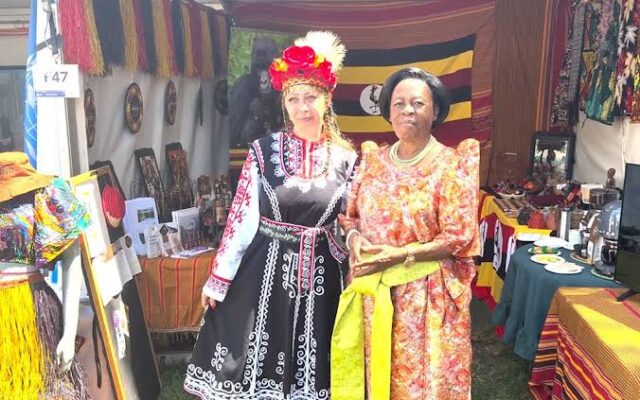
The Baganda are the largest ethnic group in Uganda, with a rich cultural kingdom centered in central Uganda. Visitors can explore the Kabaka’s palace, royal traditions, and cultural ceremonies.
The Banyankole
The Banyankole are known for their long-horned cattle and pastoral traditions in southwestern Uganda.
What to Expect on a Tribal Tour
Uganda tribal tours offer a variety of cultural experiences including:
- Traditional dance and music performances.
- Community storytelling and folklore sessions.
- Local food preparation and tasting.
- Handcraft demonstrations.
- Guided village walks.
Each experience is interactive and educational.
Cultural Respect and Responsible Tourism
Respect is essential when participating in tribal tours. Visitors are encouraged to:
- Ask permission before taking photos.
- Respect local customs and traditions.
- Dress modestly in rural communities.
- Follow guide instructions at all times.
Responsible tourism helps preserve cultural heritage and supports community development.
Best Places for Uganda Tribal Tours
- Karamoja region – Karamojong communities.
- Bwindi and Mgahinga – Batwa cultural experiences.
- Kampala and Buganda Kingdom – cultural heritage sites.
- Southwestern Uganda – Banyankole pastoral culture.
These regions offer the most authentic cultural encounters.
Cost of Uganda Tribal Tours
The cost of tribal tours depends on location and experience type:
- Short village visits: USD 20–50 per person
- Half-day cultural experiences: USD 50–100 per person
- Full cultural immersion tours: USD 100–250+ per person
Prices often include guides, community fees, and cultural performances.
Best Time for Tribal Tours in Uganda
Uganda tribal tours are available year-round, but the best conditions are:
- June to August (dry season)
- December to February (peak travel season)
Dry seasons offer easier access to rural communities and cultural sites.
Benefits of Uganda Tribal Tours
- Authentic cultural experiences.
- Direct support to local communities.
- Educational and immersive learning.
- Unique photography opportunities.
These tours enrich safari experiences beyond wildlife viewing.
Who Should Join Uganda Tribal Tours?
- Cultural enthusiasts.
- Photographers and documentary travelers.
- Students and researchers.
- Safari travelers seeking diverse experiences.
Tribal tours are suitable for all age groups.
Indigenous Communities Overview
Uganda recognises diverse indigenous and minority groups including Batwa forest peoples, Ik of northeastern mountains, Karamojong and Tepeth pastoralists, and fishing clans on Lake Victoria. Each carries distinct livelihoods, languages, and access protocols—never treat “tribal tour” as interchangeable branding.
Batwa experiences near Bwindi and Mgahinga interpret forest history after park gazettement; Karamojong manyatta visits explore cattle wealth and age-set systems. Remote Ik visits require multi-day expeditions with basic accommodation—suitable only for adventurous travelers. See Batwa cultural tours for southwestern specifics.
Ethical Tribal Tourism
Avoid voyeuristic framing; use community-approved interpreters, pay published fees, and reject staged poverty. Governments and NGOs partner with some associations—book through those channels rather than informal roadside stops that undercut regulated programmes.
Consent and Representation
Discuss how your operator describes indigenous communities in marketing materials. Terms like “primitive” or “untouched” harm relationships and misrepresent dynamic cultures adapting to modern Uganda. Choose partners who employ community reviewers and update itineraries when associations request changes to visitor protocols.
Operator Questions to Ask
Before confirming a cultural itinerary, ask how community fees are distributed, whether visits are capped per day, and who interprets sensitive topics such as displacement or clan conflict. Reputable operators answer plainly and provide association contacts—not vague assurances of “authenticity.” Request sample day timings showing drive hours versus face-to-face community time; cultural tourism should not become windshield tourism with brief photo stops.
Combining with Wildlife
Most international visitors pair culture with gorilla trekking or savannah game drives. Sequence intensive cultural days on transfer days or rest days between treks—not the evening before a 5 a.m. gorilla briefing. Wildlife and cultural safaris and safari planning help balance species priorities with human heritage without exhausting hosts or guests.
 Read
Read