Related cultural guides
- Uganda Cultural Tours: Complete Guide to Authentic Cultural Experiences in the Pearl of Africa
- Buganda Cultural Tours
- Bunyoro Cultural Tours
- Tooro Cultural Tours: Discover Uganda’s Royal Heritage, Traditions, and Cultural Experiences in Western Uganda
- Ankole Cultural Tours
- All Uganda cultural guides →
Busoga Cultural Tours offer visitors an enriching journey into one of Uganda’s most vibrant and historically important cultural regions. Located in eastern Uganda between Lake Kyoga and Lake Victoria, Busoga is home to the Basoga people, a community renowned for its rich traditions, agricultural heritage, royal chiefdoms, music, dance, storytelling, and deep connection to the River Nile. While many travelers visit eastern Uganda to see the famous Source of the Nile in Jinja, a cultural exploration of Busoga reveals a much deeper and more fascinating story about the people, traditions, and historical institutions that have shaped this region for centuries.
Unlike some cultural destinations that focus solely on historical monuments, Busoga offers visitors the opportunity to experience living culture. Traditional customs continue to influence daily life, community relationships, marriage ceremonies, agricultural practices, music, dance, and leadership structures. The region’s unique identity is preserved through its clan systems, chiefdoms, oral traditions, cultural festivals, and community activities that remain active in modern Uganda.
A well-planned Busoga Cultural Tour allows visitors to explore royal heritage sites, traditional villages, local markets, cultural centers, historical monuments, craft workshops, and community tourism projects while interacting directly with local people. These experiences provide valuable insight into Uganda’s cultural diversity and offer a rewarding complement to wildlife safaris, gorilla trekking adventures, birdwatching holidays, and Nile-based tourism activities.
For travelers seeking authentic cultural experiences, educational travel opportunities, heritage tourism, photography adventures, or simply a deeper understanding of Uganda, Busoga Cultural Tours provide a unique and memorable journey through one of East Africa’s most culturally rich regions.
The History of Busoga
The history of Busoga is both fascinating and complex. Unlike centralized kingdoms such as Buganda and Bunyoro, Busoga historically developed as a collection of chiefdoms governed by hereditary leaders. These chiefdoms shared linguistic, cultural, and social similarities while maintaining a degree of political independence. Over time, the chiefdoms formed cooperative relationships that laid the foundation for the modern Busoga Kingdom.
The Basoga people are believed to have settled in the region centuries ago through a series of migrations from different parts of East Africa. Their location along important trade routes and near major water bodies contributed significantly to the growth of commerce, agriculture, fishing, and cultural exchange. The fertile lands of Busoga supported prosperous farming communities, while the proximity to the Nile and Lake Victoria facilitated trade and interaction with neighboring regions.
Today, the Busoga Kingdom serves as an important cultural institution that promotes heritage preservation, community development, education, and cultural identity. Visitors exploring Busoga gain valuable insight into how traditional institutions continue to contribute to contemporary society while preserving the customs and values that define the Basoga people.
Why Choose Busoga Cultural Tours?
Many travelers visiting Uganda focus primarily on wildlife attractions, yet cultural tourism often provides some of the most meaningful and memorable experiences. Busoga Cultural Tours allow visitors to connect with local communities, understand traditional lifestyles, and appreciate the cultural foundations that have shaped eastern Uganda for generations.
One of the greatest advantages of exploring Busoga is the diversity of experiences available. Visitors can learn about royal traditions, agricultural heritage, fishing communities, traditional music and dance, local cuisine, spiritual beliefs, and community development projects within a relatively compact region. This variety ensures that every cultural tour offers a rich and well-rounded experience.
Busoga is also one of the most accessible cultural destinations in Uganda. Located just a few hours from Kampala and Entebbe, the region can easily be incorporated into broader Uganda itineraries. Many travelers combine Busoga Cultural Tours with visits to Jinja, the Source of the Nile, Mabira Forest, Sipi Falls, or wildlife destinations in eastern Uganda.
For photographers, historians, researchers, students, and cultural enthusiasts, Busoga provides endless opportunities for discovery and learning.
Visit the Busoga Kingdom Cultural Headquarters
One of the highlights of a Busoga Cultural Tour is learning about the structure and history of the Busoga Kingdom. The kingdom is headed by the Kyabazinga, who serves as the cultural leader of the Basoga people. Unlike many traditional monarchies, the Kyabazinga is selected from among hereditary rulers of the kingdom’s constituent chiefdoms, creating a unique leadership system that reflects Busoga’s historical development.
Visitors can learn about the role of the Kyabazinga, the kingdom’s governance structures, cultural preservation initiatives, and the significance of traditional leadership in modern Uganda. Guided tours and cultural presentations often explain how the kingdom evolved, how leadership transitions occur, and how cultural institutions continue to serve local communities.
These experiences provide a fascinating perspective on indigenous governance systems and the enduring importance of cultural identity in contemporary African societies.
The Source of the Nile and Cultural Significance
Although the Source of the Nile is widely recognized as a geographical attraction, it also holds cultural significance for the people of Busoga. The Nile has influenced settlement patterns, trade routes, livelihoods, transportation, and spiritual beliefs throughout the region’s history.
Many local communities have traditionally depended on the river for fishing, agriculture, transportation, and commerce. The river features prominently in folklore, oral traditions, and cultural narratives passed down through generations. Visitors who explore the Nile within a cultural context gain a deeper appreciation of its importance beyond its geographical fame.
Cultural guides often share stories about the relationship between local communities and the river, providing historical context that enriches the visitor experience.
Traditional Music and Dance of Busoga
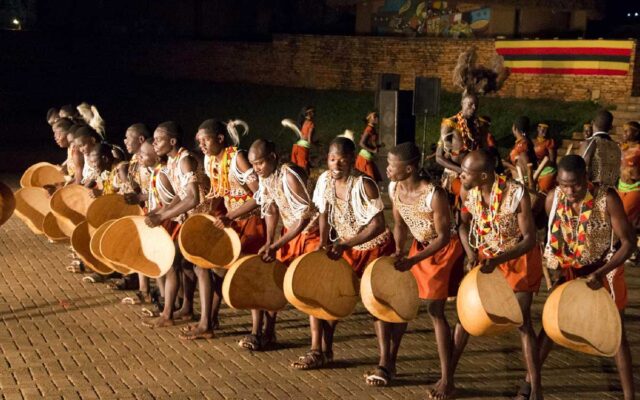
Music and dance are central elements of Basoga culture and remain important forms of cultural expression. Traditional performances are commonly included in Busoga Cultural Tours and provide vibrant demonstrations of community identity, history, and creativity.
The Basoga are known for energetic dance styles accompanied by rhythmic drumming, singing, and traditional instruments. These performances are often associated with celebrations, weddings, harvest festivals, community gatherings, and cultural ceremonies.
Visitors may witness traditional dances that tell stories of courtship, community cooperation, historical events, or agricultural activities. Performers often explain the meanings behind various movements, costumes, and musical rhythms, transforming entertainment into an educational cultural experience.
Many tours also allow visitors to participate in dance sessions, creating memorable interactions with local performers and community members.
Traditional Agriculture and Rural Life
Agriculture has long been the backbone of Busoga’s economy and cultural identity. The fertile soils and favorable climate of the region support the cultivation of sugarcane, maize, cassava, sweet potatoes, bananas, beans, coffee, and various fruits and vegetables.
Cultural tours often include visits to farms and rural communities where visitors can observe traditional farming practices and learn how agriculture shapes daily life. These experiences provide valuable insight into local food systems, community cooperation, seasonal cycles, and the economic foundations of rural society.
Many community tourism projects incorporate agricultural demonstrations that allow visitors to participate in planting, harvesting, food preparation, and other traditional activities. Such interactions help travelers develop a deeper understanding of the connection between culture, environment, and livelihoods.
Traditional Food and Culinary Experiences
Food is one of the most enjoyable ways to explore a culture, and Busoga offers a variety of traditional dishes that reflect the region’s agricultural abundance and culinary heritage.
Visitors on cultural tours may enjoy meals prepared using traditional methods and locally sourced ingredients. Popular foods include cassava, sweet potatoes, millet products, beans, fish from nearby water bodies, groundnut sauces, and various vegetable dishes.
Cooking demonstrations often form part of community-based tourism experiences. Guests can learn how traditional meals are prepared, discover the cultural significance of certain foods, and enjoy shared meals with local families.
These culinary encounters provide both cultural education and opportunities for meaningful interaction with community members.
Crafts and Artisan Traditions
Busoga has a strong tradition of craftsmanship, with local artisans producing a variety of handmade products using skills passed down through generations. Cultural tours frequently include visits to craft workshops where visitors can observe artisans creating baskets, mats, pottery, wood carvings, musical instruments, and decorative items.
Many crafts reflect practical needs as well as cultural symbolism. The designs, materials, and production methods often reveal important aspects of local history and identity.
Purchasing crafts directly from artisans helps support local livelihoods while encouraging the preservation of traditional skills and knowledge.
Community-Based Tourism Experiences
One of the most rewarding aspects of Busoga Cultural Tours is the opportunity to participate in community-based tourism initiatives. These projects are designed to create meaningful interactions between visitors and local residents while ensuring that tourism benefits are shared within communities.
Activities may include village walks, storytelling sessions, traditional cooking classes, agricultural demonstrations, cultural performances, craft workshops, and educational visits. Unlike staged tourist attractions, these experiences are rooted in everyday life and provide genuine insight into local culture.
Community tourism also promotes cultural preservation by creating economic incentives for maintaining traditional practices and sharing cultural knowledge with future generations.
Historical Sites and Heritage Attractions
Busoga contains numerous historical sites that help tell the story of the region’s development. These include locations associated with traditional chiefdoms, colonial-era history, missionary activity, trade routes, and cultural landmarks.
Guided visits to these sites provide context for understanding how Busoga evolved over time and how historical events influenced the region’s social and cultural landscape.
For travelers interested in history and heritage, these attractions add depth and perspective to the overall cultural experience.
Combine Busoga Cultural Tours with Other Attractions
One of the advantages of visiting Busoga is its proximity to several major tourism attractions. Many travelers combine cultural experiences with nature, adventure, and wildlife activities to create diverse itineraries.
Popular combinations include:
- Source of the Nile Tours in Jinja
- White-Water Rafting on the Nile
- Mabira Forest Nature Walks
- Sipi Falls Hiking Adventures
- Birdwatching Excursions
- Community Tourism Experiences
- Eastern Uganda Road Trips
These combinations provide a balanced itinerary that showcases both the cultural and natural attractions of eastern Uganda.
Best Time for Busoga Cultural Tours
Busoga Cultural Tours can be enjoyed throughout the year. Because most activities take place in communities, cultural centers, and historical sites, weather conditions generally have less impact than on wildlife safaris.
The dry seasons from June to September and December to February often provide the most comfortable conditions for village walks, outdoor performances, and community visits. However, cultural experiences remain accessible during the rainy seasons as well.
Travelers interested in attending cultural festivals or special events should inquire about local calendars when planning their visits.
Book Busoga Cultural Tours with Adventure in the Wild Safaris
Adventure in the Wild Safaris organizes immersive Busoga Cultural Tours that showcase the region’s royal heritage, community traditions, music, dance, cuisine, crafts, and historical attractions. Our itineraries are designed to provide authentic cultural encounters while supporting responsible tourism and community development.
Whether you are interested in heritage tourism, educational travel, cultural immersion, photography, or simply gaining a deeper appreciation of Uganda’s diverse communities, our Busoga tours offer rewarding experiences tailored to your interests.
Busoga remains one of Uganda’s most welcoming and culturally rich regions. Through its traditions, history, communities, and connection to the Nile, it offers visitors a unique opportunity to experience the living heritage of eastern Uganda while creating memories that extend far beyond traditional sightseeing.
 Read
Read