Related cultural guides
Buganda Cultural Tours offer visitors a fascinating journey into the heart of Uganda’s most influential and historically significant kingdom. The Buganda Kingdom is the largest traditional kingdom in Uganda and has played a central role in shaping the country’s political, cultural, social, and economic development for centuries. Located primarily in central Uganda and encompassing the capital city of Kampala, Buganda is home to the Baganda people, whose rich traditions, royal heritage, architecture, music, dance, clan systems, and cultural institutions continue to thrive in modern Uganda.
For travelers seeking a deeper understanding of Uganda beyond its famous wildlife attractions, Buganda Cultural Tours provide a unique opportunity to explore royal palaces, historical monuments, sacred sites, cultural museums, traditional ceremonies, local communities, and living traditions that have been preserved for generations. These tours reveal the story of one of Africa’s most enduring monarchies while offering meaningful interactions with the people who continue to uphold Buganda’s cultural heritage.
Whether you are a history enthusiast, cultural explorer, researcher, student, photographer, heritage traveler, or safari visitor looking to add a cultural dimension to your Ugandan adventure, Buganda Cultural Tours provide a rewarding and educational experience that complements Uganda’s wildlife, primate, and nature attractions.
Understanding the Buganda Kingdom
The Buganda Kingdom is one of the oldest and most organized traditional kingdoms in East Africa. Its origins date back several centuries, with oral traditions tracing the kingdom’s foundation to the legendary figure Kintu, who is regarded as the first Kabaka (King) of Buganda.
Over time, Buganda developed into a powerful centralized kingdom with sophisticated governance systems, extensive trade networks, military organization, cultural institutions, and diplomatic relationships with neighboring regions. During the colonial era, Buganda played a significant role in Uganda’s political development and remains an influential cultural institution today.
The kingdom is headed by the Kabaka of Buganda, who serves as the cultural leader of the Baganda people. Although the kingdom no longer exercises political authority in the way it once did, it remains highly respected and continues to play an important role in cultural preservation, community development, education, and heritage conservation.
Today, Buganda consists of numerous counties, clans, cultural institutions, and heritage sites that collectively represent one of Africa’s richest living cultural traditions.
Why Choose Buganda Cultural Tours?
Buganda Cultural Tours offer far more than sightseeing. They provide immersive experiences that help visitors understand Uganda’s cultural identity and historical evolution.
Unlike museum-only experiences, Buganda’s heritage remains alive through traditional ceremonies, clan gatherings, music, dance performances, storytelling, community activities, and cultural institutions that continue to function in everyday life.
Visitors gain insights into:
- The history of the Buganda Kingdom.
- The role of the Kabaka.
- Traditional governance systems.
- Clan structures and family organization.
- Royal customs and ceremonies.
- Traditional architecture.
- Cultural beliefs and practices.
- Music, dance, and performance traditions.
- The influence of Buganda on modern Uganda.
These experiences create a deeper appreciation of Uganda’s people and provide context that enriches any safari or travel itinerary.
Top Attractions on Buganda Cultural Tours
Kabaka’s Palace (Lubiri Palace)
One of the most important cultural landmarks in Buganda is the Kabaka’s Palace, commonly known as Lubiri Palace. Located in Kampala, the palace serves as the official residence of the Kabaka of Buganda and symbolizes the authority and continuity of the kingdom.
The palace grounds contain important historical structures and monuments that tell the story of Buganda’s royal heritage. Visitors learn about the history of the kingdom, the role of past kings, and the political events that shaped modern Uganda.
One particularly significant feature is the underground chambers that were used during periods of political conflict. These sites provide powerful insights into Uganda’s complex history during the twentieth century.
Guided tours of the palace offer detailed explanations of royal traditions, leadership structures, and the cultural significance of the monarchy.
Bulange – The Buganda Parliament
Directly connected to the Kabaka’s Palace by a ceremonial road lies Bulange, the administrative headquarters of the Buganda Kingdom. This impressive building serves as the seat of the Buganda Parliament and remains an important center for cultural administration.
Visitors can learn about the kingdom’s governance structures, leadership systems, and ongoing cultural programs. The building itself is an important architectural landmark and reflects the kingdom’s organizational sophistication.
Bulange provides valuable insight into how traditional institutions continue to function within contemporary Uganda.
Kabaka’s Lake
Kabaka’s Lake is one of the largest man-made lakes in Africa and one of Buganda’s most fascinating historical attractions. The lake was commissioned by Kabaka Mwanga II in the late nineteenth century and remains a symbol of royal ambition and engineering achievement.
Visitors often enjoy scenic walks around the lake while learning about its historical significance, traditional beliefs associated with the site, and the role it played in Buganda’s development.
The peaceful surroundings also make the lake a popular destination for photography and cultural reflection.
Kasubi Royal Tombs
The Kasubi Royal Tombs are among the most important cultural sites in Uganda and have been recognized as a UNESCO World Heritage Site. This sacred location serves as the burial ground for several Buganda kings and remains one of the kingdom’s most revered spiritual and cultural landmarks.
The site showcases traditional Buganda architecture, cultural symbolism, and royal traditions that have been preserved for generations. Visitors learn about burial customs, succession practices, spiritual beliefs, and the cultural significance of the monarchy.
The main structure, built using traditional materials such as reeds, grass, wood, and bark cloth, is considered one of Africa’s finest examples of indigenous architecture.
Even after restoration efforts following a devastating fire, the site continues to serve as a powerful symbol of Buganda identity and resilience.
Naggalabi Coronation Site
Located in Buddo, Naggalabi Coronation Site is where Buganda kings are traditionally crowned. This historic location is deeply connected to royal ceremonies and the continuity of the monarchy.
Visitors learn about coronation rituals, royal symbolism, and the traditions surrounding the installation of a new Kabaka. The site provides valuable context for understanding Buganda’s governance and cultural continuity.
The Clan System of Buganda
One of the most fascinating aspects of Buganda culture is its clan system. The kingdom is organized into numerous clans, each with its own identity, history, totems, responsibilities, and traditions.
Clans play an important role in family relationships, marriage customs, social organization, and cultural identity. Every Muganda belongs to a specific clan, and clan membership influences many aspects of social life.
Visitors on Buganda Cultural Tours often learn about:
- Clan totems.
- Marriage traditions.
- Family structures.
- Clan responsibilities.
- Traditional leadership roles.
- Cultural taboos and customs.
Understanding the clan system provides deeper insight into Buganda society and its enduring cultural cohesion.
Traditional Music and Dance
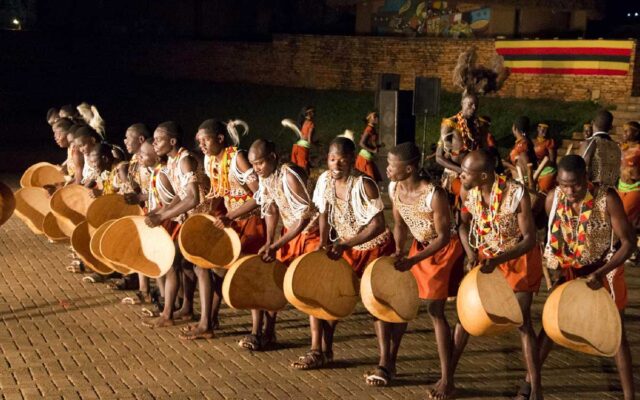
Music and dance occupy a central place in Buganda culture. Traditional performances are often included in cultural tours and provide lively demonstrations of the kingdom’s artistic heritage.
Popular traditional dances include:
- Bakisimba.
- Muwogola.
- Nankasa.
These dances are accompanied by traditional drums, xylophones, flutes, harps, and other indigenous instruments. Performances often celebrate historical events, social gatherings, royal ceremonies, and community achievements.
Visitors may have opportunities to participate in dance demonstrations and interact with performers to learn about the cultural meanings behind different movements and rhythms.
Bark Cloth Heritage
Buganda is internationally recognized for its production of bark cloth, one of the world’s oldest textiles. Made from the bark of the Mutuba tree, bark cloth has been used for centuries in ceremonies, royal rituals, clothing, and cultural practices.
Visitors can observe traditional bark cloth production methods and learn about its historical and spiritual significance within Buganda society.
The craft has been recognized by UNESCO as an important element of intangible cultural heritage.
Traditional Food Experiences
No Buganda Cultural Tour is complete without exploring traditional cuisine. Food provides an excellent introduction to local culture and daily life.
Popular Buganda dishes include:
- Matooke (steamed green bananas).
- Luwombo (slow-cooked stew).
- Groundnut sauce.
- Sweet potatoes.
- Cassava.
- Smoked fish.
- Beans and vegetables.
Many cultural tours include opportunities to participate in cooking demonstrations, visit local markets, and enjoy meals prepared using traditional methods.
Community Cultural Experiences
Beyond royal heritage sites, Buganda Cultural Tours often include visits to local communities where visitors can interact directly with residents and learn about contemporary life within the kingdom.
Community experiences may include:
- Village walks.
- Traditional cooking classes.
- Craft-making workshops.
- Agricultural demonstrations.
- Storytelling sessions.
- Music and dance performances.
These encounters provide authentic cultural interactions while supporting community-based tourism initiatives.
Combining Buganda Cultural Tours with Other Safaris
Many travelers combine Buganda Cultural Tours with wildlife safaris, gorilla trekking, birdwatching, and adventure activities.
Popular combinations include:
- Murchison Falls National Park Safaris
- Queen Elizabeth National Park Safaris
- Bwindi Gorilla Trekking Tours
- Kibale Chimpanzee Tracking Tours
- Mabamba Shoebill Birding Excursions
- Lake Mburo Wildlife Safaris
Starting a safari with a cultural tour in Kampala provides valuable context that enhances the overall travel experience.
Best Time for Buganda Cultural Tours
Buganda Cultural Tours can be enjoyed throughout the year because most activities are not heavily affected by seasonal weather changes.
The dry seasons from June to September and December to February often provide the most comfortable conditions for outdoor exploration, but cultural attractions remain accessible year-round.
Visitors interested in specific ceremonies or cultural festivals should consult local schedules and book in advance when possible.
Book Buganda Cultural Tours with Adventure in the Wild Safaris
Adventure in the Wild Safaris offers expertly guided Buganda Cultural Tours designed to showcase the kingdom’s rich heritage, living traditions, and historical significance. Our cultural itineraries combine visits to royal landmarks, community experiences, traditional performances, and educational encounters that provide a comprehensive introduction to Buganda culture.
Whether you are interested in history, photography, heritage tourism, academic research, cultural immersion, or simply gaining a deeper understanding of Uganda, our Buganda Cultural Tours provide unforgettable experiences that complement any safari itinerary.
By exploring the Buganda Kingdom, visitors discover not only the story of a remarkable African monarchy but also the cultural foundations that continue to shape modern Uganda.
 Read
Read