

Related cultural guides
- Uganda Cultural Tours: Complete Guide to Authentic Cultural Experiences in the Pearl of Africa
- Gorilla Trekking and Cultural Tours Uganda: Combining Mountain Gorillas with Authentic Cultural Experiences
- Uganda Cultural Birding Tours: Wildlife, Birds, and Authentic Cultural Encounters
- Uganda Primate Cultural Tours: Combine Gorilla, Chimpanzee and Cultural Experiences in the Pearl of Africa
- Uganda Luxury Cultural Safaris: Exclusive Cultural Encounters with Comfort, Style, and Authentic Experiences
- All Uganda cultural guides →
Introduction: The Perfect Blend of Nature and Heritage Experiences
Uganda Wildlife and Cultural Safaris combine classic wildlife viewing with immersive cultural encounters, offering travelers a complete experience of Uganda’s natural beauty and rich cultural heritage. This safari style is ideal for visitors who want to explore national parks while also engaging with local communities, traditions, and lifestyles.
Uganda is unique in East Africa because it offers both exceptional wildlife diversity and vibrant cultural experiences within short travel distances, making it perfect for combined safari itineraries.
What Are Uganda Wildlife and Cultural Safaris?
These safaris integrate game drives, boat cruises, and primate tracking with cultural experiences such as village visits, traditional performances, and community interactions.
Travelers experience both Uganda’s iconic wildlife and its diverse ethnic groups in one journey.
Main Wildlife Experiences in Uganda
Game Drives
Game drives in parks such as Queen Elizabeth, Murchison Falls, and Kidepo Valley offer sightings of elephants, lions, buffalo, giraffes, and antelopes.
Boat Safaris
Boat cruises along the Nile and Kazinga Channel provide close encounters with hippos, crocodiles, and waterbirds.
Primate Tracking
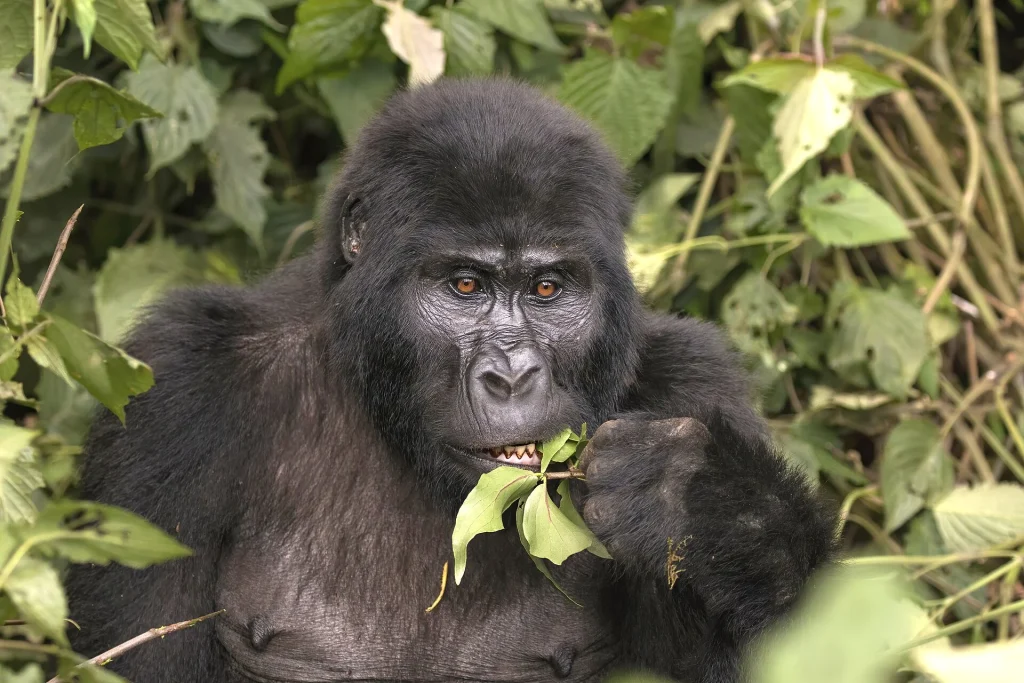
Uganda is home to mountain gorillas and chimpanzees in Bwindi, Mgahinga, and Kibale Forest National Parks.
Cultural Experiences in Uganda Safaris
Village Walks
Visit rural communities to learn about traditional farming, cooking, and daily life.
Traditional Dance and Music
Experience energetic performances from groups such as the Baganda, Banyankole, and Karamojong.
Craft Making
See local artisans create baskets, pottery, beads, and wood carvings.
Cultural Heritage Sites
Visit historical landmarks such as the Kasubi Tombs and Buganda Kingdom sites.
Top Destinations for Wildlife and Cultural Safaris
- Queen Elizabeth National Park: wildlife and surrounding community visits
- Murchison Falls National Park: Nile wildlife and cultural villages
- Kibale Forest National Park: chimpanzees and local communities
- Bwindi Impenetrable Forest: gorillas and Batwa cultural experiences
- Kidepo Valley National Park: remote wildlife and Karamojong culture
What to Expect on a Combined Safari
Travelers on Uganda Wildlife and Cultural Safaris can expect:
- Early morning game drives
- Afternoon cultural visits
- Boat cruises on major rivers and lakes
- Guided village interactions
- Traditional performances and storytelling
These safaris are well-balanced and immersive.
Best Time for Wildlife and Cultural Safaris
Uganda offers year-round safari experiences, but the best seasons are:
- June to August: dry season, best wildlife viewing
- December to February: peak safari season
Wet seasons offer greener landscapes and fewer crowds, ideal for cultural experiences.
Cost of Uganda Wildlife and Cultural Safaris
Safari costs depend on duration, accommodation, and activities:
- Budget safaris: USD 150–300 per day
- Midrange safaris: USD 300–700 per day
- Luxury safaris: USD 700–3,000+ per day
Cultural activities may include small community fees or donations.
Why Combine Wildlife and Cultural Safaris?
Combining wildlife and cultural experiences provides:
- Deeper understanding of Uganda’s heritage
- More diverse safari experiences
- Support for local communities
- Balanced nature and cultural exploration
This combination creates a richer and more meaningful travel experience.
Who Should Choose This Safari?
- First-time visitors to Uganda
- Cultural enthusiasts and photographers
- Wildlife lovers seeking variety
- Families and educational groups
This safari style is suitable for all types of travelers.
Balanced Itinerary Math
Ten to fourteen days allows three wildlife pillars (Murchison or Queen Elizabeth, Kibale chimps, Bwindi gorillas) plus two to three cultural anchors without daily six-hour drives. Shorter trips should pick either deep culture around one park or classic wildlife with a single Kampala heritage day—trying both in seven nights frustrates everyone.
Morning wildlife activity peaks at dawn; cultural hosts prefer late morning visits after household chores. Sequence accordingly rather than stacking 5 a.m. game drives with pre-dawn village departures on the same day.
Lodges with Cultural Programmes
Several lodges embed village walks, coffee tours, or Batwa briefings on property—convenient but verify fees reach neighbours. External community tours sometimes offer richer exchange than hotel-managed mini-villages. Compare safari planning routes and primate-cultural combos.
Guide Roles Split
Wildlife ranger-led activities differ from community cultural guides—best itineraries assign specialists rather than expecting one generalist to excel at both lion tracking and clan genealogy. Clarify who leads which day when reviewing quotes. Tips should reflect separate expertise when two professionals support your group.
Operator Questions to Ask
Before confirming a cultural itinerary, ask how community fees are distributed, whether visits are capped per day, and who interprets sensitive topics such as displacement or clan conflict. Reputable operators answer plainly and provide association contacts—not vague assurances of “authenticity.” Request sample day timings showing drive hours versus face-to-face community time; cultural tourism should not become windshield tourism with brief photo stops.
Combining with Wildlife
Most international visitors pair culture with gorilla trekking or savannah game drives. Sequence intensive cultural days on transfer days or rest days between treks—not the evening before a 5 a.m. gorilla briefing. Wildlife and cultural safaris and safari planning help balance species priorities with human heritage without exhausting hosts or guests.
Sustainable Cultural Spending
Buy crafts at cooperatives with posted prices; tip performers through community funds when guides recommend that model. Avoid haggling aggressively over artisan work priced below your home-country coffee habit. Photography of children and ceremonies requires explicit consent—budget time for relationship-building, not only shutter clicks. Sustainable cultural travel leaves communities wanting visitors back next season.
 Read
Read