Days are often warm; nights cool down at altitude and in forest camps — layer clothing rather than relying on a single forecast.
Long rains typically peak March–May; shorter rains appear October–November, though patterns shift year to year.

Destinations Kidepo Valley National Park
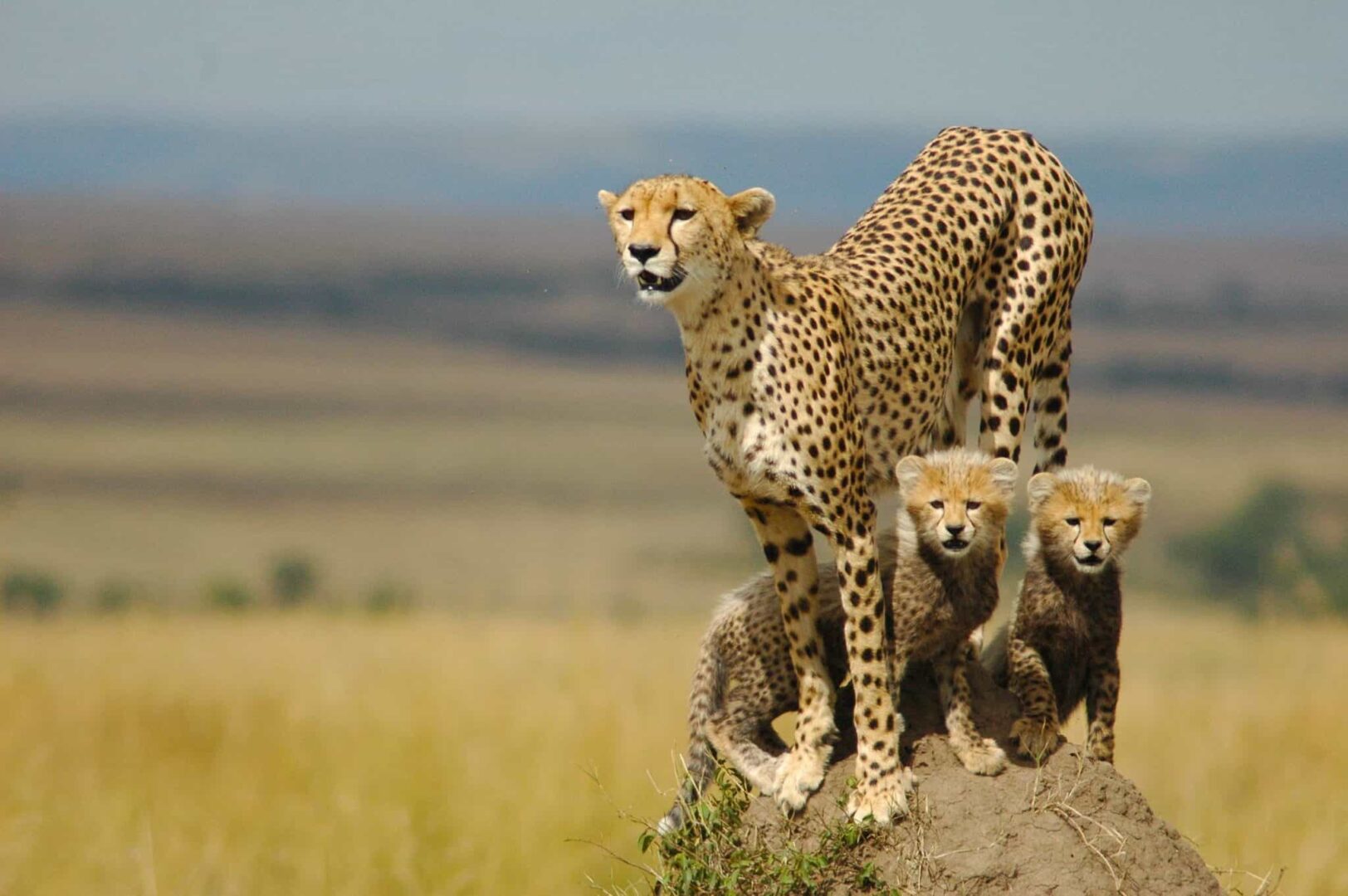
Weather in Kidepo Valley National Park follows broader East African patterns — two rainy seasons and two drier windows — but local altitude and forest cover can shift temperatures more than maps suggest.
Weather in Kidepo Valley National Park follows broader East African patterns — two rainy seasons and two drier windows — but local altitude and forest cover can shift temperatures more than maps suggest.
Days are often warm; nights cool down at altitude and in forest camps — layer clothing rather than relying on a single forecast.
Long rains typically peak March–May; shorter rains appear October–November, though patterns shift year to year.
Rain is possible year-round; waterproof layers and dry bags for trekking gear are sensible even in “dry” months.
Entebbe (Start, End)
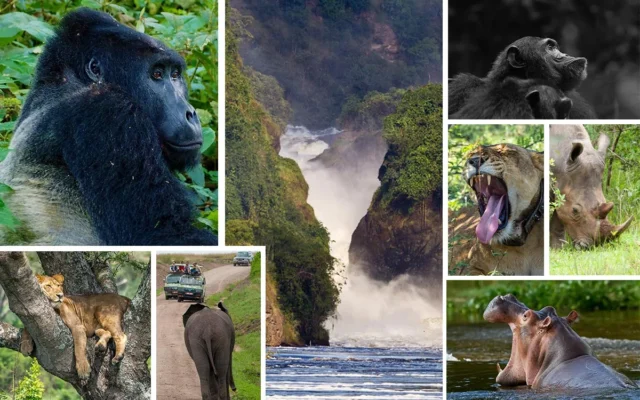
The ultimate 18-day Uganda wildlife safari — every savannah park, both chimp forests, gorillas, and the remote northeast. After Murchison and Kidepo, the route sweeps through Kibale, Queen Elizabeth,…
Entebbe (Start, End)
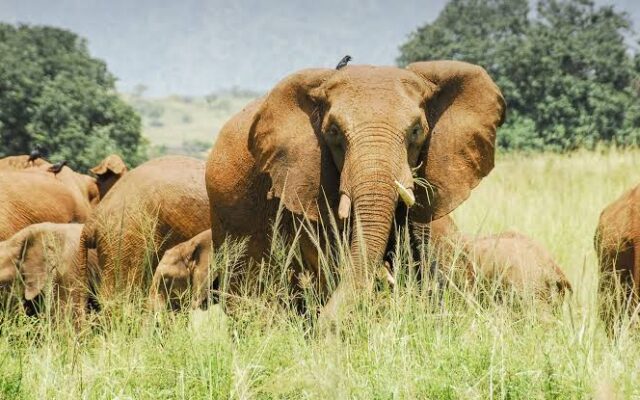
Kidepo Valley is Uganda's most remote park — semi-arid savannah against the Morungole Mountains near the South Sudan border. Cheetah, ostrich and large lion prides roam the Narus Valley; the drier Kid…

Entebbe (Start, End)
Extra day in Kidepo versus the 4-day version: more time on the Katurum kopje sundowner, repeat Narus drives for cheetah luck, and a slower cultural afternoon with Karamojong herders.
Entebbe (Start, End)
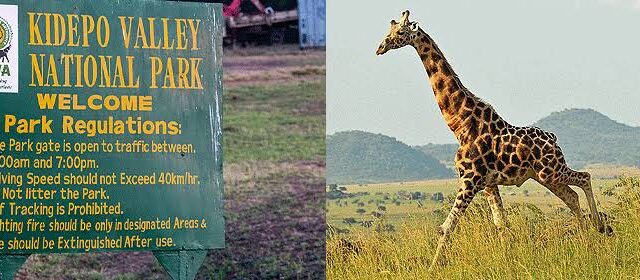
Uganda's north arc: Kidepo wilderness then Murchison Falls — long drives but unmatched contrast between semi-arid Narus lions and Nile hippo pods. Fly-in Kidepo recommended to keep Day 6 realistic.