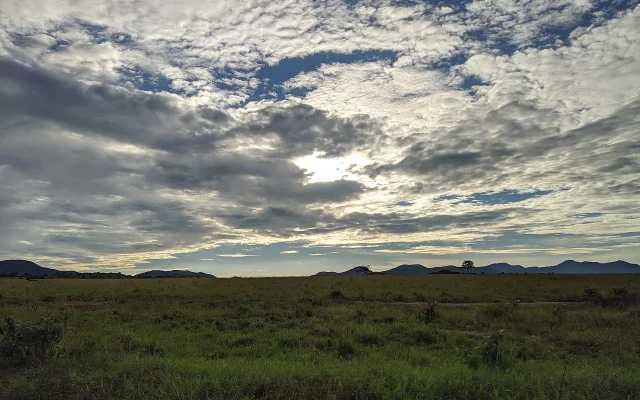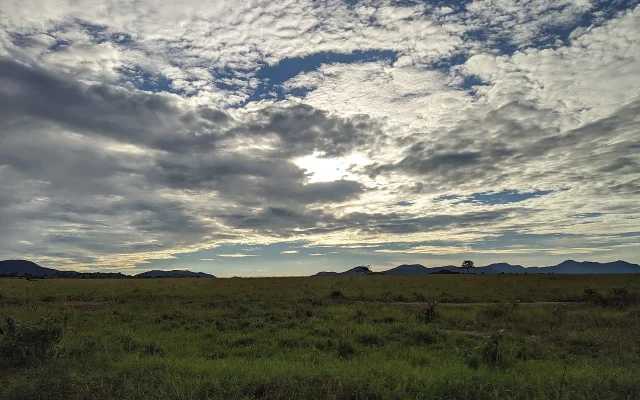
Bird watching in Kidepo Valley National Park
With more than 470 recorded bird species, Kidepo Valley National Park is essential for comprehensive Uganda birding — supplying northern and dry-country targets that Kibale, Bwindi, and Mabamba cannot replace. Open Kidepo Savannah Plains visibility helps raptor and ground-bird watching from standard game-drive vehicles, though serious listers still benefit from slow pacing and bird-focused guides.
Headline species
Ostrich, Kori bustard, secretary bird, and Abyssinian ground hornbill anchor the savannah experience. Raptors — including martial eagle and multiple buzzards and kites — patrol Narus skies. Bee-eaters, rollers, hornbills, storks, and dry-scrub passerines fill edge habitat. Exact day lists depend on season, water distribution, and whether drives prioritize mammals or birds.
Habitat zones within the park
Narus Valley combines grassland, swamp margin, and acacia woodland — productive for mixed savannah lists in one circuit. The Kidepo Valley adds palm-lined sand rivers and drier scrub assemblages. Mountain-framed horizons do not change species alone; habitat transitions along drives do.
Season, gear, and guide choice
Dry months often simplify access and concentrate birds near water — see best time to visit Kidepo. Green season can boost breeding activity and insect prey for aerial species. Carry 8×42 binoculars, sun protection, dust covers, and ample water. Communicate birding priorities when booking shared safari vehicles.
Building northeastern birding routes
Combine Kidepo with Karamoja Region reserves, Pian Upe Wildlife Reserve, or western savannah at Murchison Falls on long national circuits. Fly-in Kidepo suits time-limited listers who skip overland Karamoja birding extensions.
Woodland edges and hornbill mornings
Acacia woodland patches along Narus loops hold hornbills, woodpeckers, and shrikes missed on bare plain centers — request slow edges on at least one drive. Kidepo Valley sand rivers add palm-lined birding unlike central Narus wetlands; schedule one full session there for dry-habitat specialists.
Integrating Kidepo into national bird routes
Serious Uganda listers slot Kidepo after western forests and before or after Murchison Falls depending on driving direction. Allow minimum two field days — one Narus-focused, one valley-and-woodland scan — before counting the park complete for dry-country targets.
Secretary bird and ground hunter strategy
Secretary birds walk grassland methodically — vehicles must stop far enough away for natural hunting behavior. Kori bustard and Denham's bustard require open plain scanning with binoculars before drivers continue toward mammal targets.
Recording and eBird ethics
Log sensitive raptor nest areas responsibly; avoid publishing exact breeding locations on public lists. Guides may restrict approach distances during breeding months — respect seasonal closures.
Mammals: Kidepo wildlife. Access: getting to Kidepo. Main hub: Kidepo Valley National Park guide.
Full-day birding drive structure
Start Narus swamp edges at dawn, cross open plains mid-morning, finish Kidepo Valley sand rivers before camp return — one structured day covers habitat breadth better than random loops.
Raptor thermals mid-morning
Thermals lift vultures and eagles between nine and eleven — pause mammal tracking briefly if raptor lists matter to your group.
Swamp waders and seasonal pools
Narus swamp margins after rain hold waders and herons absent in deep dry weeks — revisit same loop after overnight shower for different lists.
Comparison with Queen Elizabeth birding
Queen Elizabeth adds waterbirds and forest-edge overlap; Kidepo completes dry savannah targets — both belong on comprehensive Uganda birding routes of ten days or longer.
Scan dead trees on plain edges for raptors and hornbills using snags as vocal posts between mammal stops.
Pair morning bird drives with afternoon mammal loops when traveling with mixed-interest groups — split priorities openly at camp breakfast.
Building a Kidepo bird list across habitats
Allocate one dawn drive for open Kidepo Savannah Plains raptors and larks, a second for Narus swamp edges after rain, and optional time on Karamoja escarpment routes if your itinerary includes community buffer lands. Pair Kidepo with Pian Upe Wildlife Reserve on longer northeastern circuits when you want dry-country overlap without repeating identical savannah lists on consecutive days inside the same park boundary.