Wildlife in Kidepo Valley National Park
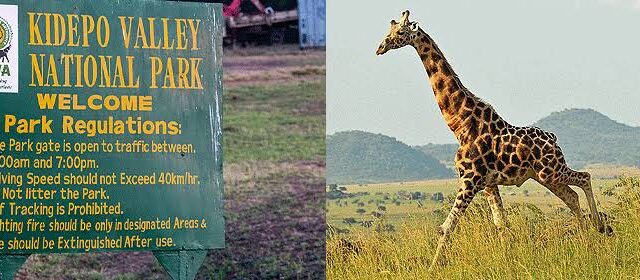
Covering roughly 1,442 km² in Uganda's far northeast, Kidepo Valley National Park wildlife thrives in semi-arid savannah framed by mountain ranges near the Karamoja Region frontier. Remote location keeps visitor numbers low; open visibility keeps encounters memorable. The park's story splits across two valley systems — wildlife-rich Narus and scenically wild Kidepo — detailed on our Kidepo Savannah Plains hub for drive-focused planning.
Where Queen Elizabeth National Park mixes forest and channel ecosystems and Kibale National Park is primate rainforest, Kidepo is classic plains Africa with a Ugandan accent: cheetah possibility, Rothschild's giraffe, Jackson's hartebeest, and predator viewing that seasoned travelers rank among the country's best.
Narus Valley: the wildlife heartland
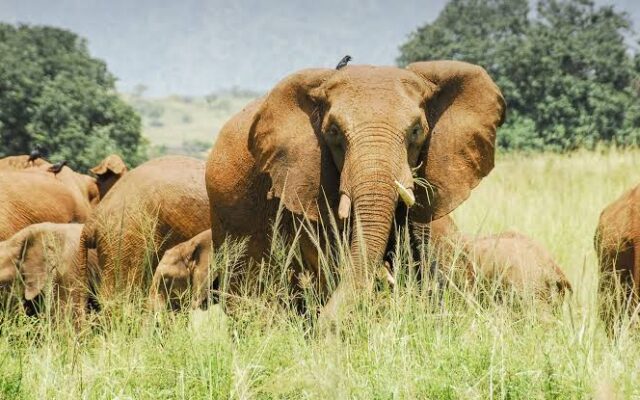
Permanent and seasonal water in the Narus Valley sustains year-round concentrations — African buffalo sometimes in large numbers, elephant with increasing conservation significance, giraffe, zebra, eland, oribi, waterbuck, warthog, and antelope diversity across grassland and swamp edges. Lions use rocky kopjes as vantage points; hyenas and jackals work the plains. Morning and late-afternoon drives produce the strongest activity and photography light.
Predators and rare carnivores
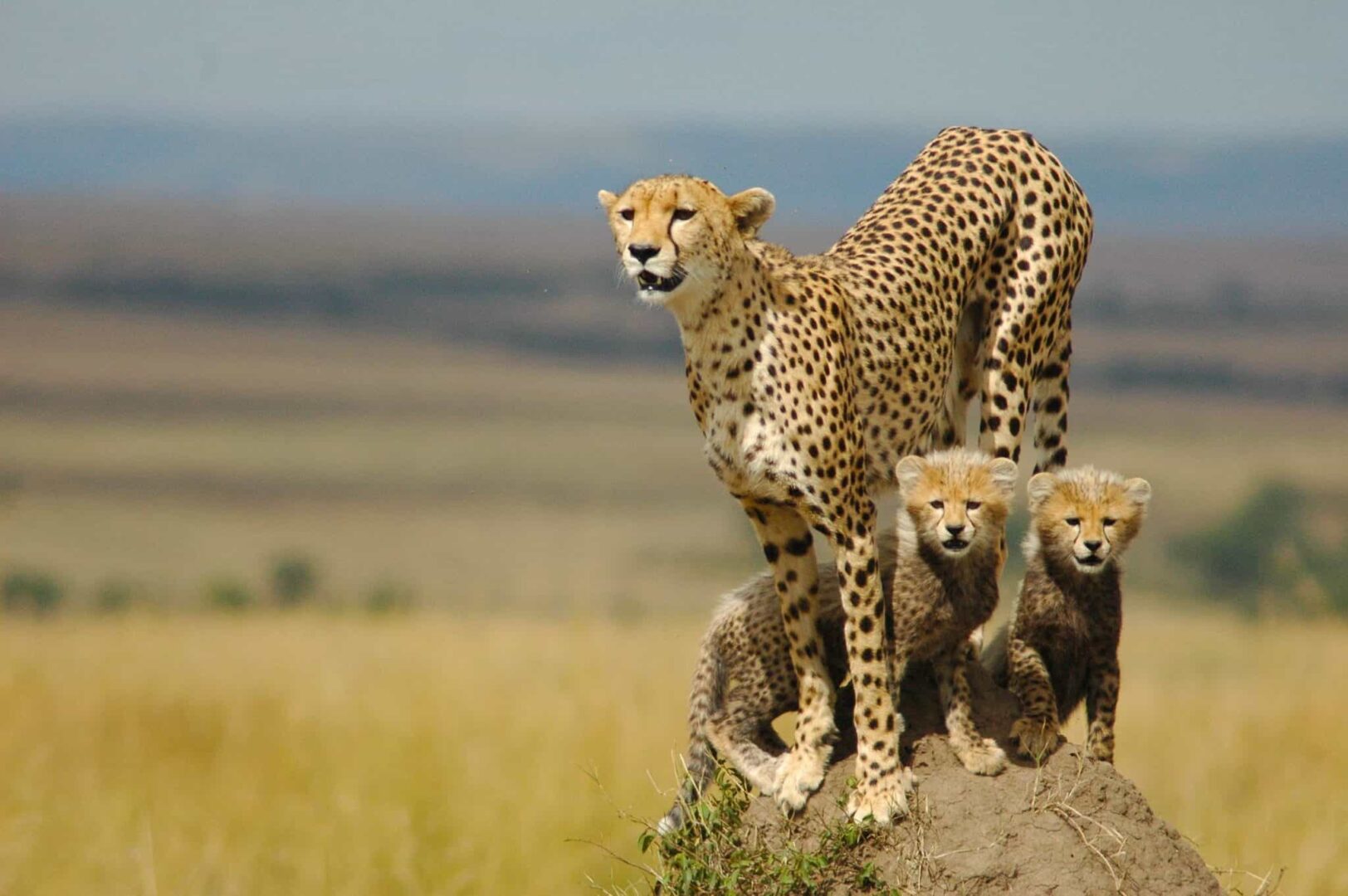
Lions are a headline draw on Narus circuits. Cheetah gives Kidepo rare appeal among Uganda parks — sought on open plains but never guaranteed. Leopard occurs; spotted hyena and black-backed jackal add carnivore depth. Predator-focused itineraries should plan multiple drives and avoid operators promising fixed carnivore outcomes.
Kidepo Valley ecology
The northern Kidepo Valley is drier, with sand rivers, borassus palms, and profound wilderness atmosphere. Mammals may scatter compared with Narus, but the drive matters for scenery, dry-country birds, and understanding the full park ecosystem. Value it as complementary, not inferior, to Narus checklist drives.
Species highlights beyond megafauna
Herbivore diversity includes Jackson's hartebeest, bushbuck, reedbuck, and smaller antelope in woodland patches. Ostrich and ground birds favor open plains. The park supports more than 470 bird species — see Kidepo bird watching for list-building detail.
Conservation and cultural context
Kidepo sits within pastoral Karamoja landscapes. Wildlife moves across park boundaries historically; community relations and UWA protection shape what travelers see today. Cultural visits with Karamoja communities add human context but must follow respectful, guide-led protocol separate from park driving rules.
Zebra, giraffe, and dry-country antelope ecology
Hyena and jackal ecology
Spotted hyena and jackals scavenge and hunt across Narus — dawn drives often reveal night activity along track margins. Listen for alarm calls from antelope that precede cat appearances on subsequent loops.
Waterbuck, oribi, and swamp specialists
Swamp edges hold waterbuck and oribi distinct from open-plain hartebeest — scan separately rather than assuming one habitat serves all antelope. Warthogs and bushpigs appear at woodland transitions on loop exits.
Plains zebra and Rothschild's giraffe on Narus slopes illustrate Kidepo's distinct savannah assemblage versus western Uganda parks. Jackson's hartebeest and oribi favor different grass heights — guides read habitat edges rather than only open centers. Eland appear seasonally on ridges; scan far slopes with binoculars before assuming absence.
Historical context and conservation recovery
Kidepo's isolation preserved wildlife through decades when other Ugandan parks faced heavier pressure — elephant and buffalo narratives include recovery phases worth discussing with guides. Understanding past conflict and present UWA management explains why some species reappear seasonally and why community relations outside the fence still matter for long-term stability.
Guided walks and official activities
Where UWA permits guided walks near Apoka or designated zones, slower interpretation reveals tracks, dung beetles, and plants missed from vehicles — always book through official channels, never as freelance bush walks in big-game habitat.
Seasons: best time to visit Kidepo. Access: getting to Kidepo. Plains drives: Kidepo Savannah Plains.
Leopard search realism
Leopard sightings require luck and repeated kopje scanning — treat as bonus alongside more predictable lion and buffalo targets on short trips.
Night sounds and camp awareness
Hyena whoops and lion contact calls carry across Apoka at night — normal big-game presence, not cause for alarm when camp security protocols are followed.
Buffalo herds crossing tracks hold right of way — guides pause rather than forcing passage through nervous groups.