Kidepo Valley National Park — questions travelers ask before booking
Kidepo Valley National Park is Uganda's remotest flagship savannah park — roughly 1,442 km² of Narus and Kidepo valleys, strong predator potential, 470+ birds, and low vehicle density near the Karamoja Region frontier. It is not a casual add-on from Kampala like Lake Mburo. Expect multi-night stays, 4×4 logistics or flights, and dawn game drives on the Kidepo Savannah Plains.
Section detail: wildlife, bird watching, best time to visit, getting there.
Worth the journey?
For wilderness atmosphere, photography, predators, and repeat Uganda visitors — yes. For first-timers with one week total who refuse long transfers — consider Murchison Falls or Queen Elizabeth first, or fly into Kidepo airstrip.
Nights, drives, and fly-in packages
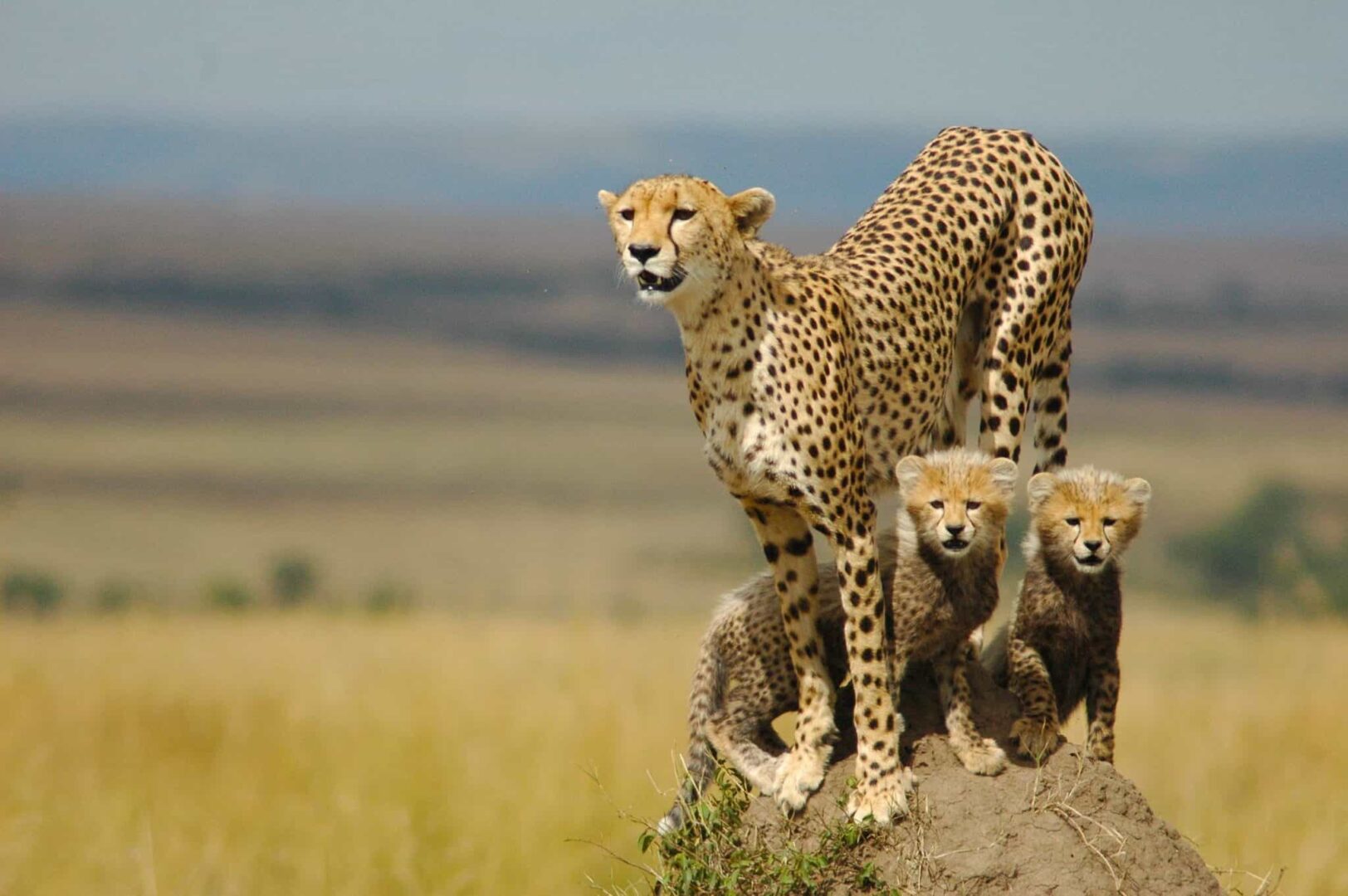
Plan minimum three nights after arrival for meaningful Narus and Kidepo Valley coverage. Fly-in 3–4 day packages maximize drives; overland safaris add Karamoja cultural time. Cheetah and leopard remain bonus sightings, not promises.
Culture and responsible travel
Karamojong pastoral culture surrounds the park. Visits require local guides, photography consent, and fair payment structures — not drive-by manyatta photography. Combine with Mount Moroto or Pian Upe on longer routes.
Safety and health
Travel with reputable operators and current route advice. Carry sun protection, hydration, malaria precautions as advised medically, and dust gear for cameras. Follow UWA rules on all drives and walking activities.
Lodge tiers and remote comfort
Kidepo accommodation spans luxury wilderness lodges to simpler camps — remoteness affects power, water, and Wi-Fi expectations. Pack headtorch, personal meds, and cash tips for camp staff. Mid-range properties still deliver strong game-drive access when booked with inclusive packages.
Sample three-night Kidepo rhythm
Night one: arrival and short drive if time allows. Night two: full Narus predator and buffalo focus. Night three: Kidepo Valley scenic route and departure or fourth night for repeat Narus loops photographers prefer.
Where to read next
Plains-focused drives: Kidepo Savannah Plains.
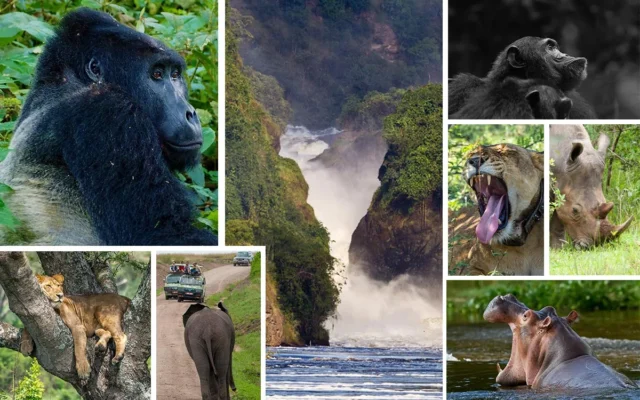
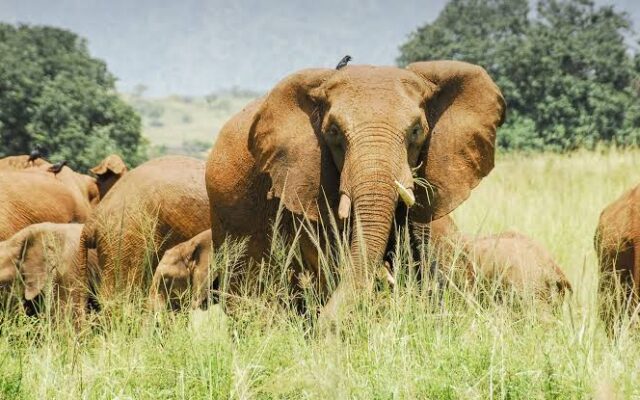
Wildlife: Kidepo wildlife.
Birding: Kidepo bird watching.
Seasons and access: best time and getting there.
Malaria and medical prep
Consult travel clinic for northeastern savannah prophylaxis and personal med kit — Apoka is remote relative to Kampala hospitals.
Solo traveler logistics
Solo travelers often join group road safaris or fly-in packages to share vehicle costs — private Kidepo transfers alone are expensive but available.
Dietary requirements at remote lodges
Notify lodges early for vegetarian or allergy needs — resupply runs from Kitgum are infrequent compared with southwestern park lodges.
UWA rules prohibit off-track driving for closer photos — ethical operators refuse habitat damage requests even for social media shots.
Respect quiet hours near camp edges at night — loud voices carry across Narus and disturb wildlife approaching water after dark.
What first-time visitors underestimate
Distance, heat, and lodge scarcity matter as much as wildlife quality. Most travelers need two full drive days on Kidepo Savannah Plains after long Karamoja transfers before judging predator luck fairly. Pack patience for cheetah and leopard — Kidepo rewards repeat loops, not single-hour expectations borrowed from more crowded East African parks.