Walking Safaris in Uganda — Most visitors picture Uganda safaris from the seat of a 4×4—and game drives here are superb—but some of the country’s finest moments happen at walking pace. Guided walks bring you into the soundscape of crunching grass, alarm calls from birds, and the sudden stillness when a ranger raises a hand. From savannah foot patrols with armed escorts to forest treks for primates, Uganda offers walking experiences that range from gentle nature hikes to strenuous mountain days. Knowing where each type fits helps you build an itinerary with texture, not just mileage.
This guide covers practical planning for Walking Safaris in Uganda, with tips you can use when comparing options.
Walking safaris in Uganda differ from southern Africa’s multi-day mobile bushwalks. Overnight camping between unfenced wild camps is rare; instead, regulated day walks, primate treks, and volcano hikes form the core. The payoff is variety: one country can deliver a Lake Mburo savannah walk in the morning, a Kibale forest bird hike in the afternoon, and a gorilla trek later in the week.
Lake Mburo: Uganda’s Walking Safari Heartland
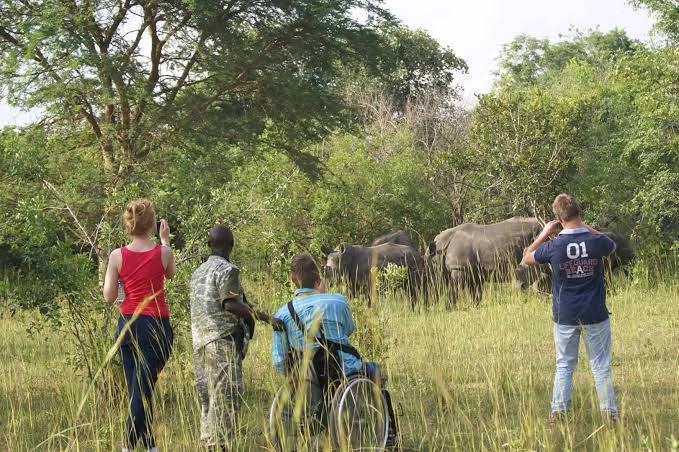
Lake Mburo National Park is the standout for traditional savannah walking. Uganda Wildlife Authority permits ranger-led walks with an armed escort—one of the few savannah parks where stepping out of the vehicle is standard rather than exceptional. Trails cross acacia woodland, rocky kopjes, and open glades where impala, zebra, eland, buffalo, and bushbuck are commonly encountered.
Walking here changes scale. You notice termite mounds, track marks, and the shift in wind direction. Guides interpret dung, territorial scrapes, and bird alarms that signal predators nearby—leopard are present, though elusive. Walks typically last two to three hours and pair naturally with afternoon boat trips on the lake and short game drives at dawn. Mburo’s compact size makes it ideal for travelers with limited time: a full day can include walk, drive, and boat without marathon transfers.
Fitness requirements are moderate. Terrain is rolling rather than mountainous. Closed shoes, long trousers, and insect repellent are sensible. Morning walks avoid midday heat and coincide with active ungulates.
Queen Elizabeth National Park: Savannah Walks and Forest Gorges
Queen Elizabeth National Park offers ranger-guided walks in designated areas such as the Mweya Peninsula and Ishasha, focusing on ecology, birds, and signs of larger mammals rather than close predator approaches. These interpretive hikes complement vehicle game drives on the Kasenyi Plains and boat cruises on the Kazinga Channel.
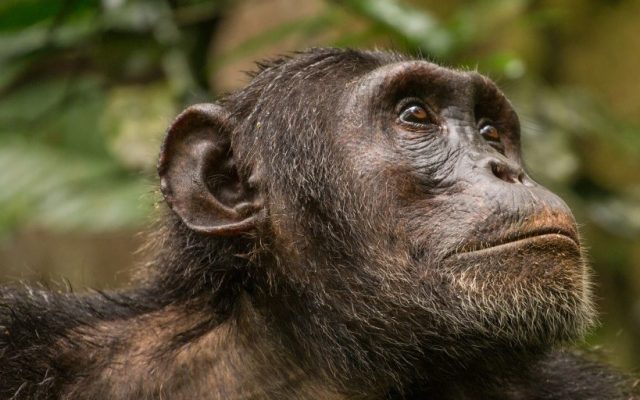
For a more intensive forest walk, Kyambura Gorge delivers steep-sided valley trekking to seek chimpanzees—a primate walk distinct from Kibale’s deeper forest experience. The gorge’s staircase trails and river crossings feel adventurous; chimp sightings vary, but the landscape alone justifies the effort. Permits and separate fees apply; walks are with UWA guides and follow primate tracking protocols similar to chimp treks elsewhere.
Queen Elizabeth walking options reward travelers who want intellectual depth: understanding crater lake formation, salt mining at Katwe, or medicinal plants with community guides on cultural walks outside the park boundary.
Kidepo Valley: Remote Foot Safaris on the Frontier
In northeastern Kidepo Valley National Park, walking with rangers offers a frontier feel unmatched in busier parks. Open valleys, dramatic mountains, and low visitor numbers mean foot safaris can feel private even in peak season. Walks may explore the Narus Valley or drier Kidepo River bed, with buffalo, elephant, and predators possible at distance.
Kidepo demands more logistics—long road transfers or charter flights—but walkers seeking solitude and raw scenery find it here. Heat is intense midday; early starts are standard. Combine walks with classic game drives and cultural visits to Karamojong communities for a holistic northeastern experience.
Primate Treks as Uganda’s Premier Walks
Some of Uganda’s most famous walks are permit-based primate treks. Mountain gorilla trekking in Bwindi Impenetrable National Park or Mgahinga can mean one to six hours of forest hiking at altitude—physically demanding, emotionally unmatched. Chimpanzee tracking in Kibale follows flatter forest paths with explosive action when chimps are located.
These are not casual nature strolls; they are regulated wildlife walks with strict health and distance rules to protect apes. Porters are available and recommended on gorilla days. Sturdy boots, gaiters, gloves for vegetation, and rain gear are essential. Yet they belong on any list of Uganda’s best walking safaris because they are walking in its most transformative form.
Rhino Tracking, Volcano Hikes, and Specialist Routes
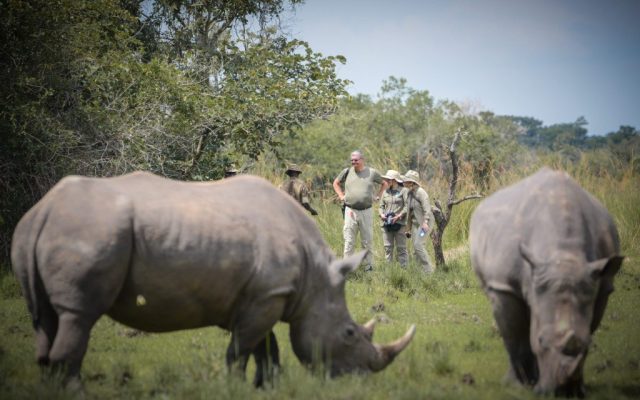
Ziwa Rhino Sanctuary offers guided on-foot rhino tracking—flat terrain, high focus, unforgettable proximity to white rhinos under ranger control. It is a walk in the truest sense and pairs with drives north to Murchison Falls.
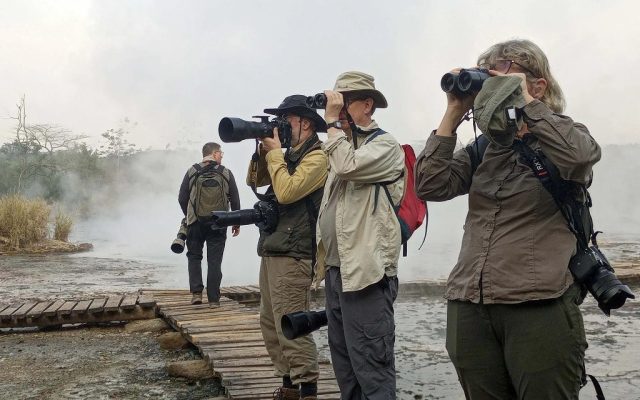
Mountain walkers head to the Rwenzori Mountains for multi-day hut-to-hut treks through Afro-alpine zones, or to Mgahinga for volcano day hikes with panoramic views into three countries. Semuliki offers lowland forest boardwalks with Central African affinities—hot springs and hornbills in a steamy setting unlike anywhere else in East Africa.
These specialist walks require fitness, guides, and sometimes mountaineering support. They extend a safari beyond wildlife checklist into adventure travel territory.
Safety, Rules, and What to Pack
Uganda Wildlife Authority requires armed rangers for savannah walks where large mammals are present. Follow instructions without exception: single file, quiet voices, no running. Wild animals behave unpredictably; distance and wind matter. Walking is not permitted freely inside most parks without booking the official activity.
Pack neutral clothing, sun protection, refillable water, and binoculars. Tip rangers and guides according to your safari budget norms. Travel insurance should cover trekking activities if you book gorilla or volcano hikes.
Designing a Walking-Focused Itinerary
A balanced walking safari might sequence: Day 1–2 Lake Mburo walks and boat; Day 3–4 Queen Elizabeth walk plus Kazinga cruise; Day 5–6 Kibale chimp trek; Day 7–9 Bwindi gorilla trek. Shorter trips can anchor on Mburo plus one primate day. Avoid stacking multiple strenuous treks back-to-back without rest lodges.
At Lion on the Rocks Safaris, we build Uganda safari packages that pace walks realistically—altitude, drive days, and recovery time included. Whether you want savannah foot patrols, gorge descents, or gorilla forest hours, we coordinate UWA guides, permits, and lodges so each walk has proper morning light and energy. Contact us to trade some drive time for trail time; Uganda’s best stories often start where the engine stops.
 Read
Read