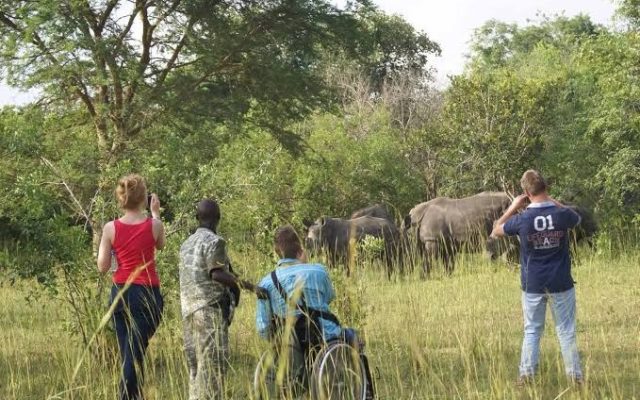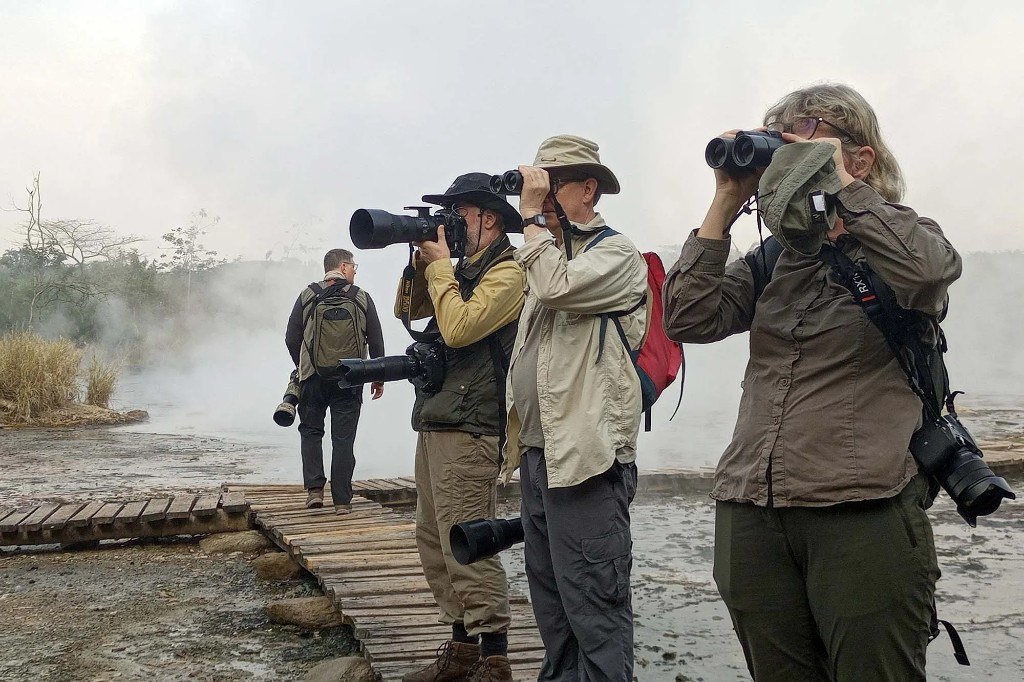
Photography Safaris in Uganda — Uganda rewards photographers who come prepared for contrast. Misty forest light in Bwindi. Harsh midday sun on the Kasenyi Plains. Golden hour on the Kazinga Channel when elephants cross in front of a low sun. Shoebills in flat swamp light at Mabamba. A photography safari in Uganda is not a single style of shooting — it is a sequence of distinct environments, each with its own exposure challenges, lens choices, and timing rules.
This guide covers practical planning for Photography Safaris in Uganda, with tips you can use when comparing options.
A clear plan around Photography Safaris in Uganda helps you book permits, lodges, and transport with fewer surprises.
This guide covers the best locations, practical gear advice, permit regulations that affect camera use, and how to structure a trip so you are in position when the light cooperates. Whether you shoot with a flagship DSLR or a modern mirrorless body, Uganda offers subjects worth the flight.
Why Uganda Works for Safari Photography
East Africa’s famous migration circuits deliver open plains and predictable predator action. Uganda adds what those destinations often lack: intimate primate portraits at regulated distance, boat-based shooting at water level, and forest species that reward patience. The country’s compact western loop means you can photograph gorillas, tree-climbing lions, and channel-crossing elephants within a week — without the charter flights required in more spread-out countries.
Vehicle pressure is generally lower than in the Masai Mara or central Serengeti during peak season. In Queen Elizabeth and Murchison Falls, you will share sightings with other cars, but you are less likely to face the dense 20-vehicle stacks common at migration crossings. For photographers who value cleaner frames and time to work a composition, that matters.
Gorilla and Chimpanzee Photography
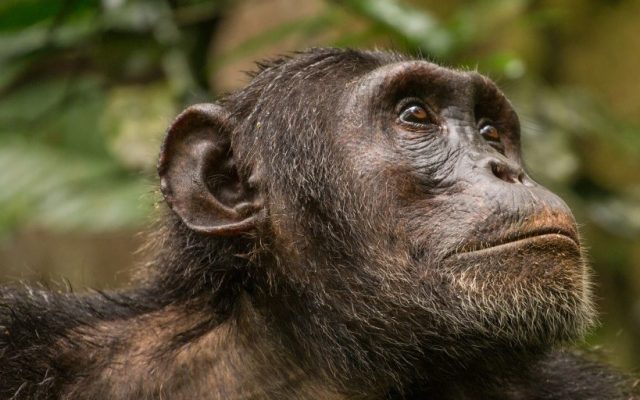
Gorilla trekking in Bwindi produces some of the most emotionally powerful wildlife images on the continent. Uganda Wildlife Authority rules are strict: no flash photography, minimum 10 metres’ distance (though curious juveniles may close the gap briefly), and one hour with the family. Pack a body that handles high ISO — forest floor light under canopy is dim even at midday.
A 24–70mm f/2.8 or 70–200mm f/2.8 covers most gorilla situations. Wider lenses capture context — moss, vines, the scale of the forest — while telephoto reach isolates faces and nursing infants. Mirrorless eye autofocus helps when light drops. Monopods are awkward on steep trails; hand-holding is the norm. Keep a rain cover or dry bag in your daypack; Bwindi lives up to its “impenetrable” name in wet season.
Chimpanzee tracking in Kibale is faster and louder than gorilla encounters. Individuals move through canopy and undergrowth; a versatile zoom with good autofocus tracking is essential. Expect motion blur unless you push ISO. The same no-flash rule applies across primate activities.
Savannah and Predator Photography
Queen Elizabeth National Park offers classic African savannah subjects: lions, leopards (occasional), buffalo, Uganda kob, and elephants. The Ishasha sector’s tree-climbing lions are a signature shot — frame a lion draped over a fig branch with open sky behind for a clean composition. Afternoon drives between 4 p.m. and sunset deliver the warmest light on the plains.
In Murchison Falls, the Buligi Peninsula and northern bank drives produce Rothschild’s giraffes, patas monkeys, and lions in open grassland. A 100–400mm or 150–600mm zoom gives flexibility for distant cats and tight portraits of antelope. Dust is constant on dry-season roads; bring lens cloths and consider a UV filter for front-element protection.
Private vehicle hire with a pop-up roof is standard on Uganda safaris. Confirm with your operator that the vehicle allows standing for eye-level shooting and that your guide understands positioning for light — not just proximity to animals.
Boat Photography: Kazinga and the Nile
Boat safaris change your angle completely. On the Kazinga Channel, you shoot at water level — hippos with wet skin gleaming, kingfishers on low perches, elephants drinking with reflection. Morning launches often have calmer water and active birdlife; afternoon trips catch long shadows and crossing herds.
Murchison’s Nile boat toward the falls base adds crocodiles, bee-eater colonies on cliff faces, and the dramatic spray near the gorge. A 70–200mm handles most boat situations; wider glass captures landscape context when the falls come into view. Secure your strap — leaning over the gunwale for a low angle is tempting but risky if gear is not tethered.
Bird and Wetland Photography
Bird photographers flock to Uganda for the shoebill and Albertine Rift endemics. At Mabamba Swamp, canoe stability limits tripod use; a telephoto prime or long zoom with image stabilisation is the practical choice. Shoebills often stand still for extended periods — patience beats burst mode. Overcast swamp light reduces harsh shadows on dark plumage.
Forest birding in Bwindi and Kibale is challenging: busy backgrounds, low light, and fast-moving flocks. Many specialists carry a 400mm f/2.8 or 500mm f/4 for forest edge and wetland work, then switch to lighter glass for trek days. If birds are a primary goal, build dedicated birding mornings into the itinerary rather than squeezing them between long drives.
Light, Season, and Timing
Uganda’s equatorial climate means rain is possible year-round, but broad patterns still guide planning. The drier windows — June to August and December to February — make forest trails easier and reduce lens fog when moving between humid forest and air-conditioned lodges. April and May are wetter; dramatic skies and lush backgrounds compensate for muddier treks.
Golden hour on savannah is non-negotiable for quality work. Structure game drives for first light and last light; use midday for transfers, boat trips in overcast conditions, or rest. Gorilla treks start early — you may reach families in usable morning light, but there is no rescheduling for weather. Carry a headlamp for pre-dawn briefings.
Gear Checklist and Practical Tips
Essentials: two camera bodies if possible (forest humidity and dust punish lens changes in the field), fast zooms, spare batteries, high-capacity cards, rain protection, and a comfortable daypack that meets UWA size limits on treks. Drones are restricted in national parks without special authorisation — do not assume you can fly at lodges near park boundaries.
Respect ranger instructions during primate encounters. The one-hour gorilla limit is fixed; fumbling with settings wastes precious minutes. Pre-set a workable ISO–aperture combination before you reach the family. After the trek, back up cards daily — rural lodge Wi-Fi is unreliable.
Consider a dedicated photo safari vehicle or private guide day if your group mixes serious photographers with casual observers. Pace differs: photographers want stillness and angle; general guests want checklist sightings.
Planning a Photography Safari
The strongest photo routes combine primate forest, savannah plains, and at least one boat session. A ten-day western circuit — Mabamba, Kibale, Queen Elizabeth, Bwindi — covers the range. Five-day trips can still deliver gorillas and Kazinga if you fly into Kihihi and accept focused priorities over breadth.
Lion on the Rocks Safaris builds Uganda safari itineraries around launch times, trekking sectors, and lodge locations that support early departures. We coordinate permits, private vehicles, and guide briefings so your crew understands you need position, not just proximity. Request a quote with your gear profile and target shots — we will map a route that puts Uganda’s best frames within reach.
 Read
Read