Boat Safaris in Uganda — Uganda’s reputation is often built on primates and forest trails, yet some of the country’s most rewarding wildlife encounters happen on water. Boat safaris here are not gentle add-ons—they are front-rank experiences where hippos crowd the shallows, elephants wade along muddy banks, shoebills haunt papyrus edges, and the Nile itself becomes part of the drama. For travelers who want variety beyond the game-drive vehicle, Uganda’s river and lake cruises belong at the core of any itinerary.
This guide covers practical planning for Boat Safaris in Uganda, with tips you can use when comparing options.
A clear plan around Boat Safaris in Uganda helps you book permits, lodges, and transport with fewer surprises.
Three destinations stand above the rest: the Kazinga Channel in Queen Elizabeth National Park, the Victoria Nile in Murchison Falls National Park, and the lakeshore waters of Lake Mburo National Park. Each offers a distinct mood, species mix, and photographic rhythm. Together they showcase why Uganda is one of East Africa’s most habitat-diverse safari countries.
Kazinga Channel: Uganda’s Classic Wildlife Corridor
The Kazinga Channel is a natural waterway linking Lake George and Lake Edward in western Uganda. At roughly 32 kilometers long, it functions as a moving congregation point for large mammals and birds. A standard launch cruise lasts about two hours, departing from a jetty near Mweya and traveling slowly along banks lined with papyrus, euphorbia, and open glades.
Expect extraordinary hippo densities—animals yawning, grunting, and jostling in pods that sometimes surround the boat. Nile crocodiles bask on sandbars, African buffalo and elephants drink at close quarters, and waterbirds arrive in staggering numbers: African skimmers, pelicans, storks, kingfishers, and eagles. The channel is also one of the better places in the park for spotting predators along the shoreline, especially in the late afternoon when activity peaks.
What makes Kazinga special is proximity. The flat-bottomed launch puts you at eye level with wildlife in a way a elevated vehicle cannot. Photographers should bring a mid-range zoom; wide angles work when herds mass along the bank. Morning and sunset departures both excel—mornings are cooler with active birdlife; sunsets paint the Rwenzori Mountains on clear days. Most Queen Elizabeth itineraries pair a channel cruise with Kasenyi Plains game drives and, when time allows, the Ishasha sector for tree-climbing lions.
Murchison Falls: The Nile Boat Safari
Murchison Falls National Park is Uganda’s largest protected area, and the Nile defines it. The signature boat trip runs from Paraa upstream toward the base of Murchison Falls, where the world’s longest river funnels through a seven-meter gorge with thunderous force. Before you reach the spray and rock faces, however, hours of slow cruising deliver classic river safari viewing.
Hippos and crocodiles dominate the shallows. Giraffe, elephant, buffalo, and antelope appear on the banks. The bird list is exceptional—Goliath herons, African fish eagles, bee-eaters, and seasonal migrants. The approach to the falls is a built-in climax: sound builds, mist rises, and the scale of the gorge puts every earlier sighting into perspective. A separate Delta boat (where the Nile enters Lake Albert) targets different ecology—papyrus channels, shoebill potential, and a quieter, birder-focused atmosphere. Many comprehensive Murchison programs include both cruises if schedule allows.
Combine the boat with morning game drives on the Buligi Peninsula or the northern bank, a visit to the top of the falls for panoramic views, and optional chimpanzee tracking in nearby Budongo Forest. The Nile thread ties the park together: water, plains, and escarpment forest in a single loop.
Lake Mburo: Intimate Waters and Compact Wildlife
Lake Mburo National Park is Uganda’s most compact savannah reserve, ideal for short safaris or a break on the road between Kampala and the southwest. Its boat trips on Lake Mburo itself feel more intimate than the grand Nile or channel experiences—smaller craft, closer shores, and reliable sightings of hippos, crocodiles, and waterbirds.
Lake Mburo is the only park in Uganda with healthy populations of impala and one of the few places to see eland and zebra in a savannah setting accessible on a two- or three-day trip. The lakeshore cruise complements guided walking safaris (permitted here with an armed ranger) and game drives through acacia woodland. For travelers short on time, Mburo delivers a complete mini-safari—drive, walk, and boat—without long transfers.
Practical Planning for Boat Safaris
Boat activities are generally scheduled departures operated by Uganda Wildlife Authority or licensed concession partners. Fees are usually paid in addition to park entry; your tour operator typically bundles them into the package quote. Bring sun protection, a light rain layer, and insect repellent for papyrus areas. Camera gear benefits from dry bags—spray near Murchison Falls is real.
Seasonality is forgiving: cruises run year-round. Dry seasons (December–February, June–September) concentrate mammals at water and make bank access predictable. Wet months green the landscape and boost bird activity. Motion sensitivity is rarely an issue on these calm-water trips, making them suitable for families and older travelers who prefer not to trek long distances.
Safety follows standard park protocols: remain seated while underway, listen to ranger instructions, and never reach toward wildlife. Hippos are deceptively fast in water; respectful distance is essential.
Building a Boat-Centered Itinerary
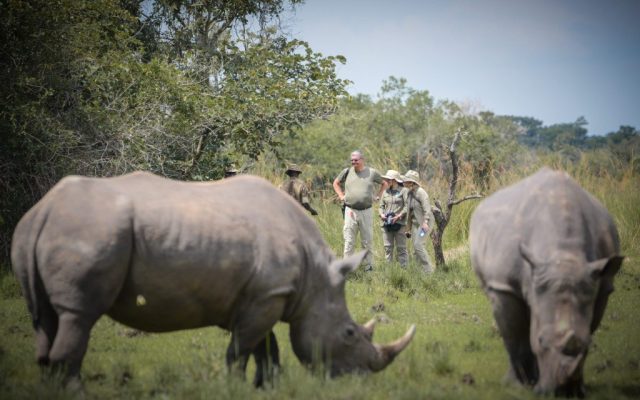
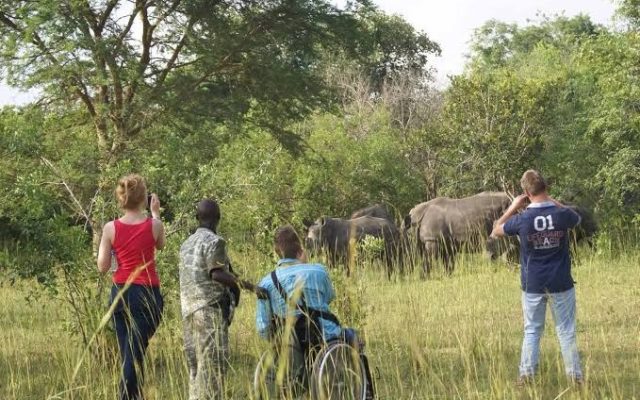
A balanced Uganda safari might sequence Murchison’s Nile cruise with rhino tracking at Ziwa Rhino Sanctuary en route from Kampala, then continue west for Kazinga Channel and gorilla trekking in Bwindi. Alternatively, a Lake Mburo overnight anchors a shorter loop with strong boat and walk components before flying or driving onward.
At Lion on the Rocks Safaris, we treat boat safaris as core experiences—not filler between drives. Launch times are coordinated with game drives for optimal light and animal activity, and lodges are chosen for practical access to jetties. Explore our Uganda safari packages or contact us to design a route that gives Uganda’s waterways the time they deserve. For wider seasonal advice, our best time to visit Uganda guide complements this planning.

 Read
Read