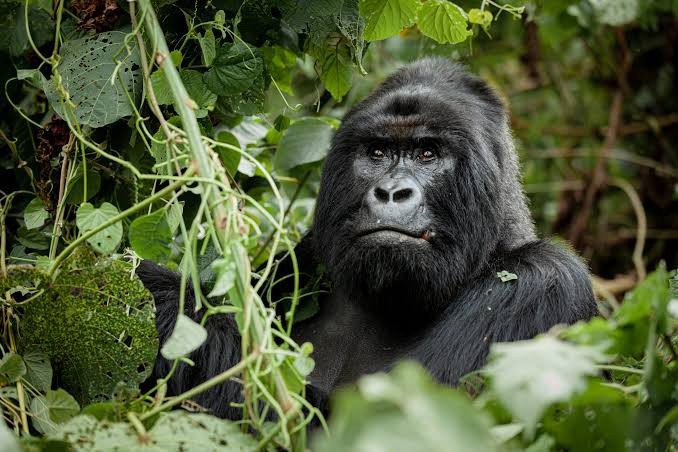
Bwindi vs Mgahinga Gorilla Trekking — Uganda is one of only three countries where you can trek wild mountain gorillas, and it hosts two national parks for the experience: Bwindi Impenetrable National Park and Mgahinga Gorilla National Park. Both parks protect the same species, draw on the same permit system managed by the Uganda Wildlife Authority, and charge the same USD 800 foreign non-resident fee in high season (USD 600 in April, May, and November). The encounter at the end of the trail — one hour with a habituated family — follows identical rules.
This guide covers practical planning for Bwindi vs Mgahinga Gorilla Trekking, with tips you can use when comparing options.
A clear plan around Bwindi vs Mgahinga Gorilla Trekking helps you book permits, lodges, and transport with fewer surprises.
Yet the parks are not interchangeable. Bwindi is vast, forested, and permit-rich. Mgahinga is small, volcanic, and tightly capped. Choosing the wrong one can mean unavailable permits, a trek harder than your knees expected, or a missed chance to combine gorillas with golden monkey tracking. Here is how they differ in plain terms.
Scale, setting, and scenery
Bwindi covers about 331 square kilometres of ancient montane rainforest along the Albertine Rift. The name “Impenetrable” is not marketing — steep ridges, dense undergrowth, vines, and misty canopy define the trekking experience. Elevation ranges roughly 1,160 to 2,607 metres. Four trekking sectors — Buhoma, Ruhija, Rushaga, and Nkuringo — spread across different hillsides, each with its own lodge cluster and road access.
Mgahinga is tiny by comparison: about 34 square kilometres on the slopes of the Virunga volcanoes — Muhavura, Gahinga, and Sabyinyo — where Uganda meets Rwanda and the Democratic Republic of Congo. Trekking here moves through bamboo zones and open volcanic foothills with views across cloud-filled valleys. On a clear day, the scenery feels more alpine than Bwindi’s enclosed cathedral of green.
Photographers who want gorillas framed against volcanic peaks often prefer Mgahinga’s backdrop. Travellers who want the quintessential deep-forest atmosphere gravitate toward Bwindi.
Permit availability: the deciding factor for many travellers
Bwindi hosts 20+ habituated gorilla families distributed across four sectors, with more than 160 standard trekking permits issued daily, plus a small number of habituation experience slots at USD 1,500 for four hours with researchers. That volume makes Bwindi the default for first-time bookers, especially in peak months (June–September and December–February) when dates sell out months ahead.
Mgahinga currently centres on the Nyakagezi gorilla family, with only eight permits per day — one group of eight trekkers maximum. The family has historically crossed into Rwanda at times; when all members are in Uganda, permits are among the scarcest in the country. You may need to book three to six months ahead even in shoulder season. If Nyakagezi is absent or permits are sold out, Mgahinga simply is not an option that week.
For travellers with fixed holiday dates and no flexibility, Bwindi is the safer bet. For repeat gorilla trekkers or those with flexible calendars who secure Mgahinga permits early, the exclusivity is part of the appeal.
Trek difficulty and duration
Bwindi’s terrain is steeper and less predictable on average. Treks can last from one hour to seven or more, depending on where rangers locate the family the night before. Rushaga and Nkuringo sectors are known for particularly demanding climbs; Buhoma and some Ruhija trails can be gentler but never easy. Rain turns paths to slick mud year-round. Porters (USD 15–20 plus tip) are worth hiring regardless of fitness.
Mgahinga’s smaller footprint and volcanic slopes generally produce shorter, less brutal treks — often one to three hours return. That does not guarantee a short day (gorillas move), but guides consistently report lower average hiking times than Bwindi’s steepest sectors. Travellers with limited mobility, older knees, or heart conditions still need medical clearance — gorilla trekking is never a stroll — but Mgahinga skews toward the easier end of Uganda’s range.
Fitness preparation matters in both parks. Read our ultimate guide to gorilla trekking in Uganda for training and packing advice.
Lodges, access, and circuit planning
Bwindi’s size supports the widest lodge spectrum in Uganda — budget bandas from roughly USD 70 per night to luxury properties exceeding USD 900 per person per night. Each sector has distinct access roads: Buhoma from the north via Ruhija, Rushaga and Nkuringo from Kisoro in the south. Your permit sector must match your lodge location; crossing sectors on trek morning means long pre-dawn drives.
Fly-in travellers use Kihihi airstrip for northern sectors and Kisoro airstrip for southern Bwindi and Mgahinga. Mgahinga sits roughly thirty to forty minutes from Kisoro town — the most convenient gorilla park if you are flying in from Entebbe and skipping Kampala traffic entirely.
Bwindi integrates naturally into longer circuits: Queen Elizabeth’s Ishasha tree-climbing lions are half a day’s drive north; Kibale’s chimps lie northeast. Mgahinga pairs well with cross-border Kigali arrivals, Lake Bunyonyi relaxation, and golden monkey tracking in the same park — a separate USD 80 permit for a habituated troop on the bamboo slopes.
What Mgahinga offers beyond gorillas
Mgahinga’s compact size is a strength for active travellers. Golden monkey tracking adds a lively, photogenic primate encounter without the cost of a second gorilla permit. Day hikes on Mount Gahinga, Mount Muhavura, or Mount Sabyinyo — the latter marking the tri-border point with Rwanda and DRC — reward fit hikers with summit views rare in Bwindi’s enclosed forest.
Batwa cultural experiences near Mgahinga contextualise indigenous forest history displaced when the park was gazetted. Bwindi has community walks too, but Mgahinga’s volcanic setting and smaller visitor numbers feel quieter.
Bwindi-only advantages
Bwindi alone offers the gorilla habituation experience — four hours alongside researchers habituating a semi-wild group at USD 1,500 per permit, with only four guests daily per group. Serious photographers and primate enthusiasts often build itineraries around this.
Sector choice within Bwindi lets operators match trek difficulty to guest profile. Families with teens, photographers wanting open clearings, and repeat visitors seeking a new family all benefit from sector expertise. Our Bwindi sectors guide breaks down Buhoma, Ruhija, Rushaga, and Nkuringo in detail.
Permit price and rules: identical
Both parks charge the same UWA tariff. Trekking starts with a 7:30–8:00 a.m. briefing; maximum group size is eight visitors per gorilla family; one hour with the gorillas; minimum age fifteen years; no sick trekking (respiratory illness risks infecting gorillas). Photography without flash; maintain the seven-metre distance rule enforced by rangers.
Low-season discounts (USD 600) apply in April, May, and November in both parks when UWA activates promotional pricing — confirm current announcements when booking.
Which park should you choose?
Choose Bwindi if this is your first gorilla trek, if your travel dates are fixed in peak season, if you want lodge choice across budget tiers, if you are combining gorillas with Queen Elizabeth or Kibale on the same itinerary, or if you want habituation or a second standard trek with a different family.
Choose Mgahinga if Nyakagezi permits are confirmed for your dates, if you prefer shorter hikes and volcanic scenery, if golden monkeys and volcano day hikes appeal, if you are entering from Kigali or flying to Kisoro, or if you have trekked before and want a quieter, eight-guest maximum day.
Most first-time visitors should plan around Bwindi and treat Mgahinga as a compelling alternative when permits align — not a gamble with non-refundable flights attached. Either park delivers the moment you stop breathing as a silverback glances your way. The logistics before that glance are where the parks diverge, and where careful planning pays off.
Ready to match sector, lodge, and transport? Explore Uganda gorilla trekking packages or compare trekking costs in how much gorilla trekking costs.
 Read
Read