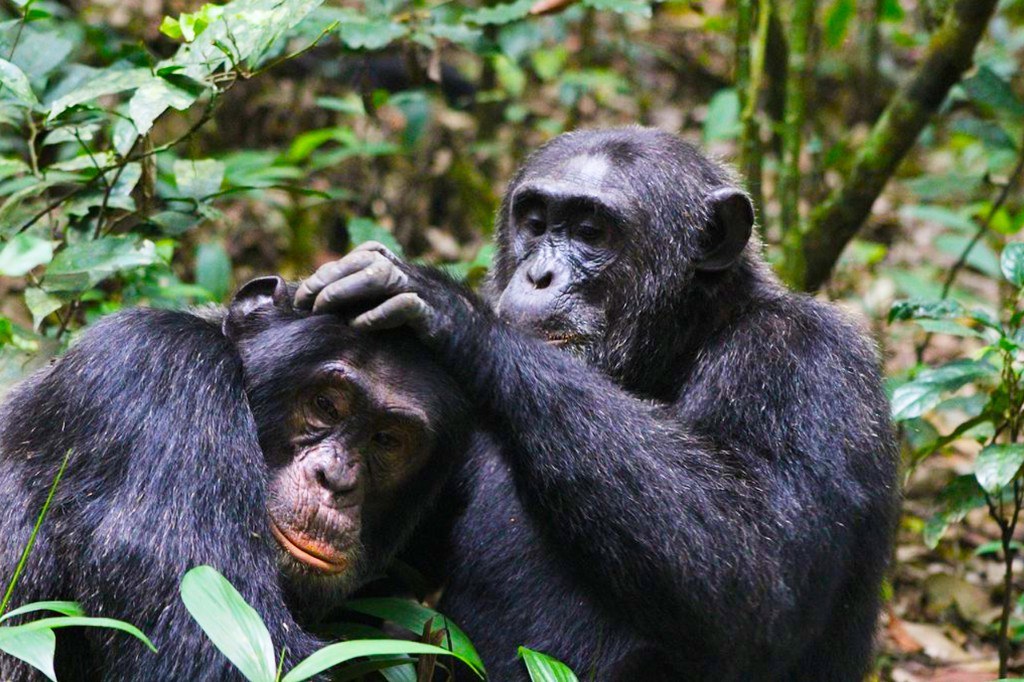
Chimpanzee Habituation Experience Uganda — Standard chimpanzee trekking gives you one hour. The Chimpanzee Habituation Experience — universally shortened to CHEX — gives you a forest day. You meet the group before they leave their night nests, follow them through feeding and grooming, hear territorial calls echo off the canopy, and step back only when rangers decide the contact window closes. At Kibale Forest National Park, only four visitors per day join this programme. It is the most immersive great-ape encounter Uganda offers after the four-hour gorilla habituation trek in Bwindi’s Rushaga sector.
This guide covers practical planning for Chimpanzee Habituation Experience Uganda, with tips you can use when comparing options.
A clear plan around Chimpanzee Habituation Experience Uganda helps you book permits, lodges, and transport with fewer surprises.
CHEX is not a harder version of a normal trek. It is a different activity — slower, longer, more unpredictable, and aimed at travellers who want to understand wild chimpanzee behaviour rather than tick a sighting and return to lodge by lunch. This guide explains how CHEX works, how it compares to standard Kibale permits, who should book it, and how to prepare for a full day in the forest.
What Is the Chimp Habituation Experience?
Habituation is the gradual process of accustoming wild chimpanzees to human observers without destroying their natural behaviour. Researchers and Uganda Wildlife Authority rangers visit a community repeatedly over years, increasing contact time until the animals tolerate presence at regulated distance. Tourist CHEX slots fund and accompany that ongoing work on a semi-habituated community — chimps further along the curve than truly wild groups, but not as settled as the fully habituated families visited on standard treks.
Where a normal Kanyanchu trek locates a habituated group and delivers exactly one hour of viewing, CHEX participants walk with field staff for up to four hours of direct observation once contact is made — sometimes longer in practice, from pre-dawn nest departure through mid-morning feeding. You see behaviours a short trek rarely captures: nest building, hunting parties, boundary patrols, intense vocal displays, and the quiet hours when adults rest while juveniles wrestle in the leaf litter.
The pace is set by the chimps, not a timetable. That is the point, and the challenge.
CHEX vs Standard Chimp Trekking Permits
The differences are worth spelling out before you spend a travel day on the wrong product.
Duration: Standard trekking — one hour with chimps after locating the group; total forest time often three to five hours. CHEX — up to four hours with the community once found, plus extended tracking; plan to be in the forest most of the morning and possibly into afternoon.
Group size: Standard treks allow up to six to eight visitors per habituated community per session. CHEX caps at four visitors per day total, sharing the forest with researchers and multiple rangers.
Community: Standard treks visit fully habituated Kanyanchu groups accustomed to daily tourism. CHEX follows a semi-habituated community still learning tolerance; encounters can feel wilder, with more distance and more movement.
Start time: Standard morning trek briefs around 8:00 a.m. CHEX starts before dawn — often meeting at Kanyanchu around 6:00 a.m. to reach nesting sites as chimps wake.
Physical demand: Both involve muddy, hilly forest. CHEX is harder simply because you walk longer. Fitness and patience matter more than on a one-hour trek.
Price: Under the current UWA tariff (July 2024–June 2026), standard Kibale chimp tracking is USD 250 for foreign non-residents. CHEX is USD 300 — only USD 50 more for a categorically deeper day. That modest premium makes CHEX one of Uganda’s best-value wildlife permits if you are physically able. Compare with standard chimpanzee trekking in Uganda for the mainstream option.
Who Should Book CHEX — and Who Should Not
CHEX suits serious wildlife photographers who want time to work angles without a ranger checking a watch at sixty minutes. It suits naturalists, biology students, and return visitors who already saw chimps on a standard trek and want more. It suits patient personalities comfortable with uncertainty — some days contact comes quickly; other days the forest tests your resolve.
Skip CHEX if you have limited mobility, are travelling with children under 15, or are squeezing Kibale into a tight gorilla countdown. Skip it if you mainly want a guaranteed checkbox sighting before lunch; the standard morning trek at Kanyanchu succeeds often enough for most first-timers. If your trip allows only one chimp activity and you are unsure, book standard trekking first; upgrade to CHEX on a return visit.
Some ambitious travellers combine both — CHEX at dawn and a standard afternoon session on separate days. That is legal with two permits on two dates, exhausting, and unforgettable. One day is enough for most people.
A Typical CHEX Day in Kibale
You arrive at Kanyanchu in the dark, headlamp on, kit checked. Rangers brief you on distance rules, mask policy if required, and the semi-habituated community’s recent behaviour. Trackers may already know where the group nested overnight.
As light filters into the forest, you hear rustling in the canopy — chimps descending, urinating, stretching, disputing branches. The first hour is often the most intense: cool air, active animals, photographers scrambling for settings. What follows is quieter observation as the community feeds and ranges. Rangers radio updates; you sidestep forest elephants’ paths and stinging nettles alike.
When the contact window closes, you hike out — tired, muddy, possibly already planning the next primate trip. Standard trekkers are finishing their briefings as you emerge with stories they will envy.
Booking, Availability, and Rules
CHEX permits are issued in tiny numbers — four per day — and sell out in peak season months before standard slots do. Book three to six months ahead for June–August and December–January; shoulder season offers slightly more flexibility. Purchase through UWA or a licensed operator such as Lion on the Rocks Safaris; same passport-name rules as gorilla permits apply.
Minimum age is typically enforced at 15 years for habituation activities — stricter than the 12-year floor on standard Kibale treks. Confirm with your operator if travelling with older teenagers. Health rules mirror gorilla trekking: no participation if you have cough, cold, or contagious illness. Maintain at least 10 metres’ distance unless rangers adjust for safety. No flash photography. No eating near the animals.
CHEX is only offered at Kibale for tourist habituation in Uganda’s mainstream circuit — not at Kyambura or Budongo. Gorilla habituation is separate, in Bwindi Rushaga; read our gorilla habituation experience post if you are building a double-habituation itinerary.
How to Prepare for a Full Forest Day
Pack lunch and more water than a standard trek — two to three litres minimum. Energy bars, electrolytes, and blister tape live in serious trekkers’ bags. Waterproof boots and gaiters are essential; CHEX does not end when your socks are wet. Long sleeves protect against nettles; neutral colours blend better than bright white.
Camera gear: spare batteries, rain cover, maybe a monopod if you tolerate the weight. Binoculars reward the hours between dramatic moments. Porters can often be hired at Kanyanchu; on a CHEX day, they are worth every shilling.
Book lodging within 30 minutes of the visitor centre — Primate Lodge Kibale, Kibale Forest Camp, or similar — so your 5:00 a.m. wake-up is bearable. Fort Portal town works if you accept a pre-dawn drive.
Fitting CHEX Into a Uganda Safari
CHEX pairs naturally with a gorilla trekking extension: chimps first while legs are fresh, gorillas second, or the reverse if you prefer the shorter chimp day before the hardest hike. Combine with Queen Elizabeth for savannah contrast, or route north to Murchison after descending the Albertine Rift.
Budget an extra recovery night after CHEX before a long drive or a gorilla trek — your thighs will notice the difference. For routing templates, see gorilla and chimpanzee safari guide and Kibale vs other chimp sites.
Reserve Your CHEX Permit Early
With only four seats per day, hesitation costs dates. Tell your operator you want CHEX specifically — not “chimp trekking,” which defaults to the standard USD 250 product. Confirm start time, age limits, and whether your quote includes park fees and transport from your lodge.
Request a quote from Lion on the Rocks Safaris with your month and fitness level; we check UWA availability, hold CHEX if possible, and build the rest of your primate itinerary around that single forest day. For the mainstream one-hour alternative, start with our complete chimpanzee trekking guide — then upgrade to CHEX if you want the forest to last.
 Read
Read