Where to see sitatunga — expert Uganda safari guide from local planners who know permits, parks, and realistic routing.
Seeing a sitatunga in Uganda is one of Africa's most rewarding specialist wildlife experiences. Unlike savannah antelopes scanned from a vehicle, sitatunga encounters require guided wetland walks, dawn timing, and local knowledge of papyrus channels. Choosing the right site matters — and Uganda offers several outstanding options, led by Bigodi Wetland Sanctuary near Kibale National Park.
Best Places to See Sitatunga in Uganda
Uganda supports sitatunga in papyrus corridors linked to Lake Victoria, the Katonga River, and forest-edge swamps of the Albertine Rift. Four sites stand out for international visitors:
- Bigodi Wetland Sanctuary — classic boardwalk destination near Kibale
- Mabamba Bay — dawn canoe swamp with sitatunga bonus
- Katonga Wildlife Reserve — central Uganda canoe and swamp walks
- Murchison Falls National Park — Nile delta papyrus margins
Bigodi Wetland Sanctuary — Uganda's Premier Sitatunga Site
Bigodi Wetland Sanctuary protects Magombe Swamp — an eight-kilometre papyrus corridor east of Kibale National Park. Managed by KAFRED since the 1990s, Bigodi is the country's best-known sitatunga walk and the standard afternoon add-on after chimpanzee trekking at Kanyanchu.
How Sitatunga Viewing Works at Bigodi
Visitors join community guides for a two- to four-hour boardwalk loop through papyrus channels. Guides scan edges where sitatunga feed at dawn and dusk, knowing sections where animals regularly cross between deep cover and feeding margins.
What to Expect
- Sightings are possible but not guaranteed — sitatunga are shy
- Dawn and late afternoon walks improve odds over midday rushes
- Red colobus, grey-cheeked mangabey, and great blue turaco complement the walk
- Permit fees fund KAFRED schools and conservation patrols
Getting There
Bigodi village lies roughly 40 minutes by road from Fort Portal and minutes from Kibale's Kanyanchu chimp headquarters. Most travelers book the walk through their lodge or safari operator on the same day as chimps or the following morning for better sitatunga timing.
Mabamba Bay — Lake Victoria Swamp
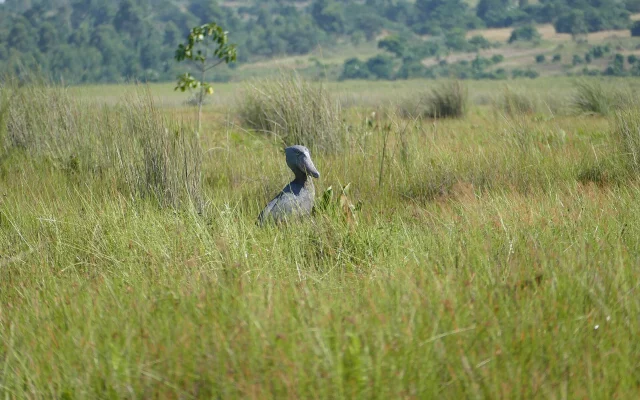
Mabamba Bay Wetland on Lake Victoria's northwestern shore is famous for shoebill stork canoe trips, but sitatunga occasionally slip through dawn papyrus channels. Sightings are less predictable than Bigodi, yet Mabamba fits Entebbe arrival or departure days and pairs with Uganda birding openers.
How to Search at Mabamba
Pre-dawn canoe departures with MWETA community guides paddle papyrus channels. Guides watch mat edges and openings where sitatunga may feed before retreating — often in the same sessions as shoebill searches.
Why Combine Mabamba and Bigodi
A dedicated wetland enthusiast can open with Mabamba near Entebbe and continue west to Bigodi on a Kibale itinerary — two papyrus systems, two community guide models, doubled sitatunga opportunity. Browse sitatunga safari experiences for combined packages.
Katonga Wildlife Reserve — Central Uganda Swamps
Katonga Wildlife Reserve along the Katonga River system protects wetland–savannah mosaic between Kampala, Masaka, and Lake Mburo corridors. Sitatunga here are searched by canoe-assisted channel poling and guided swamp walks — quieter and less visited than Bigodi.
Access and Expectations
Katonga requires UWA coordination and local boat operators. Water levels seasonally affect routes. The reserve suits travelers who want sitatunga depth without western Uganda's primate crowds — or as a stopover on central routes.
Murchison Falls — Delta Papyrus
Papyrus channels in the Nile–Lake Albert delta of Murchison Falls National Park support sitatunga, especially where swamp adjoins river systems. Afternoon delta boat cruises scan margins where antelope may feed — usually a bonus on Big Five safaris rather than a dedicated sitatunga destination.
Other Ugandan Sitatunga Records
Lake Victoria Margins
Beyond Mabamba, Lutembe Bay and other Lake Victoria wetlands record sitatunga in suitable swamp forest — tourism infrastructure is thinner.
Semuliki and Western Rift Margins
Riverine swamp fringes in western Uganda may hold sitatunga, but standard tourist circuits rarely target them.
Comparing Uganda Sitatunga Sites
- Bigodi — highest visitor infrastructure, boardwalk, Kibale pairing, best overall odds
- Mabamba — canoe dawn trips, shoebill synergy, Entebbe access
- Katonga — specialist central Uganda swamp, canoe search
- Murchison delta — seasonal bonus on boat cruises
Viewing Methods
Boardwalk Walk (Bigodi)
The classic method. Quiet group walking on elevated structure through papyrus. Best for combining primates, birds, and sitatunga in one session.
Canoe (Mabamba, Katonga)
Dawn paddle through channels. Excellent for shoebill–sitatunga combination and photography at water level — requires balance and waterproof gear.
Boat Cruise (Murchison)
Delta boats scan wider wetland edges. Less intimate than canoe but covers more territory on savannah combination safaris.
What to Bring
- Waterproof footwear or shoes tolerant of mud
- Rain jacket and insect repellent
- Binoculars and telephoto lens
- Neutral-coloured clothing
- Dry bag for electronics on canoe trips
Pairing Sitatunga With Other Wildlife
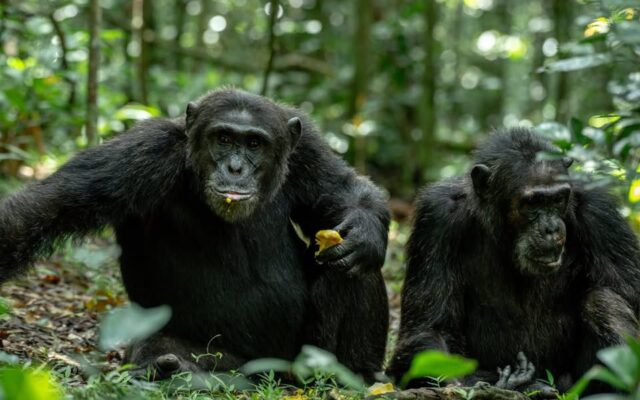
- Chimpanzee trekking — morning Kibale chimps, afternoon or next-dawn Bigodi
- Shoebill birding — Mabamba opener before western Uganda circuit
- Savannah safari — Murchison delta bonus after game drives
- Primate and birding — Bigodi delivers eight primate species plus 200+ birds
Responsible Viewing
Never pursue sitatunga off-trail for photographs. Stay on boardwalks, follow guide instructions, and accept partial views as successful encounters. Disturbance displaces animals from feeding sections other groups might otherwise see. Learn more on sitatunga conservation and best time to visit.