When is the best time to see sitatunga in Uganda? The encouraging answer is year-round — sitatunga are resident in key swamps and do not migrate out of the country. That said, time of day, seasonal water levels, trail conditions, and how you pair wetland walks with chimpanzee trekking all shape encounter quality. This guide helps you plan dawn walks at Bigodi Wetland Sanctuary and other sites with realistic expectations.
Year-Round Resident Species
Unlike seasonal migrants, sitatunga persist in permanent swamp habitat throughout the calendar. Bigodi, Mabamba, and Katonga populations do not depend on short windows of arrival — they depend on intact papyrus and quiet observation. You can search any month; timing refines comfort and odds.
Best Time of Day
Dawn — Peak Activity
First light is the single most important factor. Sitatunga leave resting platforms and feed along channel edges when disturbance is lowest. Bigodi walks starting near sunrise outperform afternoon rushes for mammal activity — even though birds remain excellent all day.
Dusk — Second Chance
Late afternoon feeds mirror dawn behaviour. If chimp trekking consumes your morning, schedule Bigodi for the following dawn rather than the same-day afternoon when possible.
Midday — Rest Period
Hot hours find sitatunga on trampled vegetation platforms deep in cover. Midday walks still deliver primates and birds but sitatunga odds drop sharply.
Uganda Seasonal Calendar
Dry Seasons — June to September and December to February
Drier months generally improve boardwalk comfort, road transfers to Bigodi, and canoe access at Mabamba and Katonga. Water levels may fall slightly, concentrating sitatunga at channel margins — sometimes improving visibility if guides know active sections.
These windows align with peak Uganda safari season, so book Bigodi walks early when combining with Kibale chimp permits.
Wet Seasons — March to May and October to November
Heavier rain softens trails and raises water levels. Sitatunga may range deeper into papyrus — harder to see but behaviourally active. Waterproof footwear and rain jackets are essential. Fewer tourists can mean quieter walks — a trade-off adventurous wetland enthusiasts accept.
Monthly Planning Overview
- January–February: Dry, good trails, strong dawn walks
- March–May: Long rains, lush swamp, pack rain gear
- June–August: Peak dry season, popular safari months
- September: Transitional, still generally good access
- October–November: Short rains, variable water levels
- December: Dry holiday season, book lodges early
Bigodi-Specific Timing
For sitatunga specifically — not only birds — request the earliest available Bigodi walk. Many travelers schedule chimps first (morning permit) and Bigodi second (afternoon). That works for primates but suboptimises sitatunga. Better options:
- Chimp day one, dawn Bigodi day two
- Overnight near Kanyanchu with dawn Bigodi before driving onward
- Afternoon Bigodi accepting sitatunga as bonus, birds and colobus as main goal
Mabamba Dawn Logic
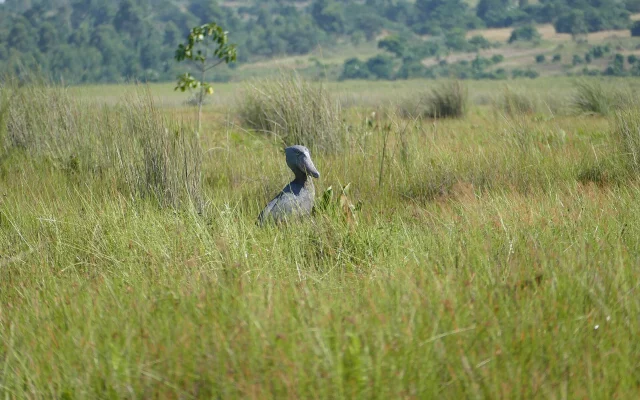
Mabamba shoebill canoe trips already require pre-dawn departure from Entebbe or Kampala. Sitatunga benefit from the same timing — one early start serves both flagship species.
Katonga Water Levels
Katonga Wildlife Reserve canoe routes depend on seasonal hydrology. Confirm with operators a week before travel during rainy peaks. Dry-season mornings remain the default recommendation.
Murchison Delta Seasonality
Delta boat cruises at Murchison Falls run year-round, but afternoon light and waterbird activity vary. Sitatunga here are opportunistic — treat any sighting as wetland bonus on savannah itineraries.
Combining With Chimpanzee Permits
Kibale chimp permits are timed morning or afternoon. Coordinate with your operator so sitatunga walks do not always lose the dawn slot to other activities. This scheduling detail separates checklist tourism from serious swamp mammal viewing.
Photography Conditions
Dawn offers soft lateral light at channel edges — best for brief sitatunga portraits when animals emerge from cover. Midday harsh contrast and deep shade in papyrus challenge photography. Overcast wet-season mornings can deliver even, rich greens if rain holds off.
Crowds and Quiet
Bigodi walks accept multiple groups daily. Smaller dry-season crowds help — whispered voices matter. Wet-season weekdays can feel private. There is no sitatunga "permit lottery" like gorillas, but early starts still reduce boardwalk congestion.
What "Best Time" Cannot Guarantee
Even perfect timing does not guarantee sitatunga. Shyness, wind noise, recent disturbance, and individual animal position in deep cover all influence outcomes. Guides improve odds; nature decides visibility. Manage expectations and celebrate partial views.
Quick Timing Checklist
- Prioritise dawn walks for sitatunga specifically
- Favour dry seasons for trail comfort unless you accept rain
- Separate chimps and dawn Bigodi across two mornings when possible
- Book Mabamba pre-dawn for canoe species synergy
- Confirm Katonga water levels in rainy months
Ready to plan? Explore where to see sitatunga and sitatunga safari packages that build dawn wetland walks into your Uganda route.