Sitatunga conservation sits at the intersection of wetland policy, community livelihoods, and responsible tourism. Listed Least Concern globally yet declining in many regions, Tragelaphus spekii depends on intact papyrus systems that Uganda is still fighting to protect. Community models at Bigodi Wetland Sanctuary show how swamp walks can fund schools, employ guides, and keep sitatunga pathways free of encroachment — a template relevant across Africa's freshwater marshes.
IUCN Conservation Status
The sitatunga is classified Least Concern on the IUCN Red List because it remains widespread across sub-Saharan Africa. However, the listing masks local declines from wetland drainage, bushmeat hunting, snaring, and habitat fragmentation. Many populations are decreasing even where the species persists on paper.
Population Trends
Reliable global census data are scarce — sitatunga are difficult to count in dense swamp. Regional reports document local extirpations and reduced densities near settlements. Uganda's community sanctuaries and wildlife reserves maintain important visible populations, but unprotected marshes continue to lose animals to snares and habitat conversion.
Major Threats
Wetland Loss and Drainage
Agricultural expansion, rice cultivation, and settlement drain or fragment papyrus swamps — removing food, cover, and movement corridors in one intervention. Uganda's National Wetlands Conservation Policy restricts conversion, but enforcement varies by district.
Snaring and Bushmeat Hunting
Sitatunga follow predictable pathways — making them vulnerable to wire snares set for bushmeat. Deep swamp offers no protection against silent snare lines at forest margins and trail junctions. Anti-poaching patrols and community vigilance at Bigodi directly address this threat.
Habitat Fragmentation
Isolated swamp patches cannot support long-term genetic exchange. Corridors like Magombe Swamp linking Kibale forest to open wetland are ecologically valuable beyond sitatunga alone.
Human Disturbance
Unregulated access, off-trail traffic, and noisy tourism can displace sitatunga from prime feeding sections. Managed boardwalks concentrate impact on durable structures while protecting core mat habitat.
Climate Pressure
Altered rainfall timing and intensity affect water levels, papyrus growth, and seasonal feeding patterns. Wetland species often face disproportionate climate risk because hydrology shifts faster than vegetation can adjust.
Bigodi and KAFRED — A Community Conservation Model
The Kibale Association for Rural and Environmental Development (KAFRED) has managed Bigodi Wetland Sanctuary since the 1990s, transforming a threatened papyrus strip into a community-run ecotourism asset. Guided boardwalk fees fund:
- Local school bursaries and classroom support
- Guide and ranger employment — including former poachers retrained as naturalists
- Village by-laws regulating swamp-edge farming and resource use
- Conservation patrols limiting encroachment and snaring
- Women's handicraft groups supplementing household income
Sitatunga are not the only beneficiaries — red colobus, mangabey, otters, and 200+ bird species share the corridor — but sitatunga are among the flagship mammals that validate wetland protection to visiting travelers.
National Wetlands Policy Context
Uganda's wetland framework recognises ecological services: water purification, flood regulation, carbon storage, and biodiversity habitat. Bigodi's Magombe Swamp exemplifies why policy matters — papyrus systems store substantial carbon and filter water entering Lake George and the wider Nile basin.
Protected Areas and Reserves
Beyond Bigodi, sitatunga benefit from protection in:
- Kibale National Park — forest corridor adjacency
- Katonga Wildlife Reserve — UWA-managed wetland blocks
- Murchison Falls National Park — delta papyrus margins
- Ramsar sites and community wetlands with local bylaws
Role of Tourism
Responsible wetland tourism creates economic alternatives to swamp conversion and poaching. When travelers pay Bigodi or Mabamba guide fees, they fund habitat stewardship directly. Operators should book licensed community guides, respect boardwalk rules, and avoid off-trail pursuit of sitatunga for photographs.
Research and Monitoring Gaps
Scientists note insufficient diet, density, and movement studies for sitatunga in many regions. Better data would strengthen conservation planning — particularly around corridor connectivity and snare hot spots. Visitors contribute indirectly by supporting sites that maintain long-term guide knowledge.
Cultural Significance
In parts of Africa, sitatunga hold cultural value in ceremonies, shrines, and traditional hunting narratives — adding complexity to protection efforts where customary use overlaps with conservation goals. Uganda's ecotourism model emphasises live-animal value through guiding income.
What Travelers Can Do
- Book official Bigodi and Mabamba community guides
- Stay on boardwalks and designated trails
- Keep voices low on sitatunga searches
- Combine wetland visits with sitatunga safari packages that fund local operators
- Avoid purchasing bushmeat or products linked to illegal hunting
Conservation Outlook
Sitatunga will not survive on global Least Concern status alone. They need swamp acreage protected in practice — through policy, community revenue, and visitor respect. Uganda's western wetland corridor remains a hopeful zone where KAFRED, UWA, and tourism operators align incentives toward intact papyrus. Extending that model to unprotected marshes is the next conservation frontier.
Related Conservation Species
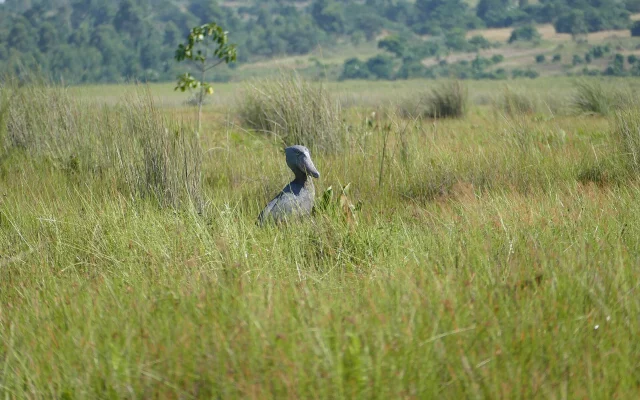
Wetland protection for sitatunga simultaneously benefits shoebill stork, papyrus gonolek, otters, and primate corridors — making sitatunga conservation a umbrella investment in Uganda's freshwater biodiversity. Explore combined itineraries through Uganda birding and wetland birding guides.