
Oribi FAQs and Answers — quick answers on biology, behaviour, parks, predators, and safari planning. Explore where to see oribi, behaviour, best time to visit, and safari experiences — or request a quote for a tailored savannah itinerary.
- What is an oribi?
The oribi (Ourebia ourebi) is a small, slender antelope native to African savannahs and grasslands. In Uganda it is a common sight on game drives in Murchison Falls, Kidepo Valley, and Lake Mburo — graceful pairs grazing open plains alongside larger antelopes and zebra.
- How big is an oribi?
Oribi stand roughly 50–67 cm at the shoulder and weigh about 12–22 kg — among the smallest antelopes on Uganda savannah drives. Males carry short, straight horns; females are hornless and slightly smaller. See our oribi facts page for full measurements.
- How do you identify an oribi?
Look for a slender build, reddish-brown to tan coat, white throat and belly, a white line above the eye, and a dark bare patch below each ear. The long neck and fine legs give a gazelle-like silhouette at distance — but oribi are smaller and often seen in pairs rather than large herds.
- Where is the best place to see oribi in Uganda?
The Borassus palm grasslands on Murchison Falls' north bank are especially reliable. Kidepo Valley and Lake Mburo are also excellent. Compare parks on our where to see oribi page.
- What do oribi eat?
Oribi are primarily grazers — fresh grasses can make up to 90% of their diet. They browse herbs and foliage mainly when grass is scarce in drought. They also visit mineral licks regularly. More detail on our oribi diet page.
- What is stotting and do oribi stot?
Stotting is a stiff-legged vertical leap with an arched back — a sudden display when surprised by a predator. Oribi are one of the antelopes known for this behaviour, often combined with a high-pitched whistle and flashing the white underside of the tail. Read our behaviour guide for context.
- Are oribi social animals?
Oribi are often solitary or live in pairs — typically one male with one or more females in his territory. Small groups of up to six may form temporarily. Males defend territories of roughly 25–100 hectares with scent marking and displays.
- What predators hunt oribi?
Leopards, lions, cheetahs (where present), wild dogs, jackals, pythons, and large eagles all prey on oribi. Their strategy combines hiding in tall-grass cover, freezing until the last moment, then explosive flight and stotting to warn others.
- Are oribi endangered?
The oribi is classified Least Concern by the IUCN, with a global population estimated around 750,000 — but numbers are declining due to habitat loss and livestock competition outside protected areas. Uganda's national parks remain important strongholds. See conservation for more.
- When is the best time to see oribi?
Oribi can be seen year-round. Dry seasons (June–September and December–February) generally offer the best visibility on short grass. Dawn game drives are prime time. See best time to see oribi.
- Do oribi benefit from savannah fires?
Yes. Oribi are among the mammals that return quickly to burned areas to feed on fresh green shoots as grass regenerates. Fire-maintained savannah mosaics — common in Uganda's park management — indirectly support oribi nutrition.
- How do oribi differ from Uganda kob?
Uganda kob are much larger, herd in hundreds, and use lek breeding on open plains. Oribi are small, often seen in pairs, and hold individual territories. Kob dominate Queen Elizabeth; oribi are more characteristic of Murchison, Kidepo, and Lake Mburo grasslands.
- How do oribi differ from impala?
Impala are larger, more numerous in Lake Mburo, and males defend territories around female herds. Oribi are smaller and finer-legged, with different facial markings and pair-based social structure. Both can appear on the same drive in Mburo.
- What habitat do oribi prefer?
Open grassland and wooded savannah with a mix of short grazing grass and taller patches for cover — floodplains, acacia hills, and recently burned regrowth. Full ecology on our habitat guide.
- How long is oribi pregnancy?
Gestation lasts roughly six to seven months, with a single calf born — often when grass quality is highest after rains. Mothers hide calves in tall grass while grazing nearby.
- Are oribi active during the day or night?
Oribi are diurnal — most active during daylight, especially early morning and late afternoon when they graze. Midday heat often finds them resting in shade or tall-grass cover.
- Which Uganda safaris include oribi viewing?
Any savannah itinerary visiting Murchison Falls, Kidepo, or Lake Mburo includes oribi on game drives. Browse oribi safaris and Uganda safari packages.
- Can oribi be seen on walking safaris?
In Lake Mburo National Park, guided walking safaris sometimes approach oribi habitat on foot — a different perspective from vehicle-based viewing. Always follow ranger guidance and keep distance.
- What is the scientific name of the oribi?
Ourebia ourebi — the sole species in the genus Ourebia, placed in the antelope tribe Neotragini alongside small antelopes such as dik-dik and steenbok.
- How can tourists help oribi conservation?
Book through licensed operators, pay official park fees, stay on designated tracks, and include savannah parks in your itinerary so tourism revenue supports rangers who protect the grasslands oribi depend on. Read our conservation page for context.
Safari packages to see Oribi
Bookable itineraries below include parks and activities where you are most likely to encounter Oribi in the wild.
 Best
Seller
Best
Seller
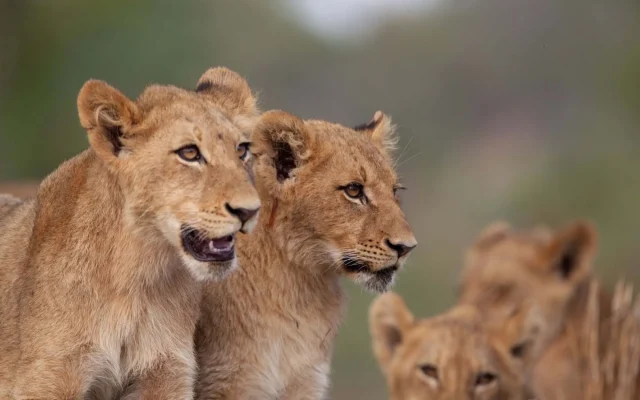
7 Day Uganda Wildlife & Gorilla
You visit
Murchison Falls, Kibale Forest, Queen Elizabeth NP, Bwindi Forest, Entebbe
Seven days with gorillas: the wildlife tour above plus Bwindi trekking on Day 6 — the single most booked private itinerary for Uganda Safari Tours guests who want chimps, savannah and gorillas in one…
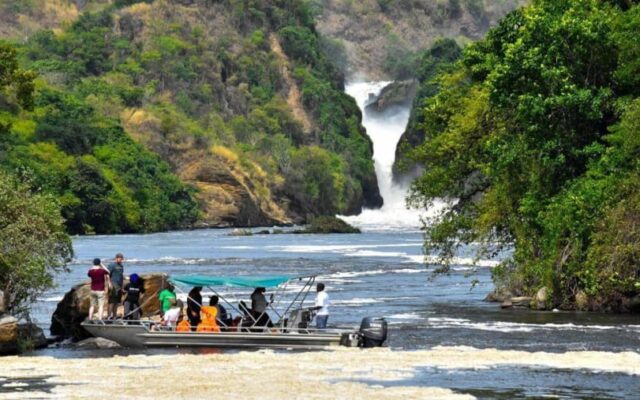
3 Day Murchison Falls Safari
You visit
Murchison Falls, Entebbe
Our classic 3-day Murchison Falls safari follows the park’s most proven circuit: dramatic falls, savannah game drives north of the Nile, and the famous boat trip where the river narrows below the casc…
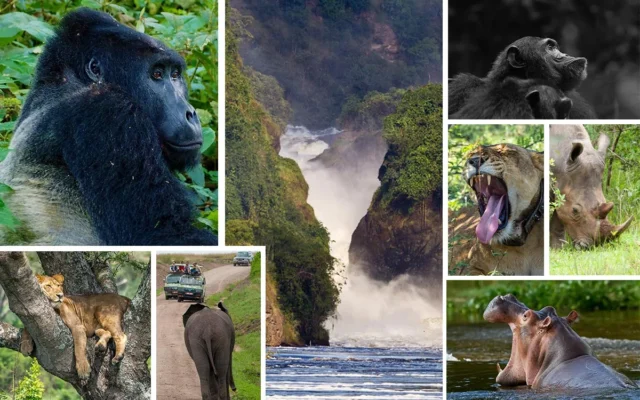
18 Days Uganda Wildlife Safari
You visit
Entebbe (Start, End)
The ultimate 18-day Uganda wildlife safari — every savannah park, both chimp forests, gorillas, and the remote northeast. After Murchison and Kidepo, the route sweeps through Kibale, Queen Elizabeth,…
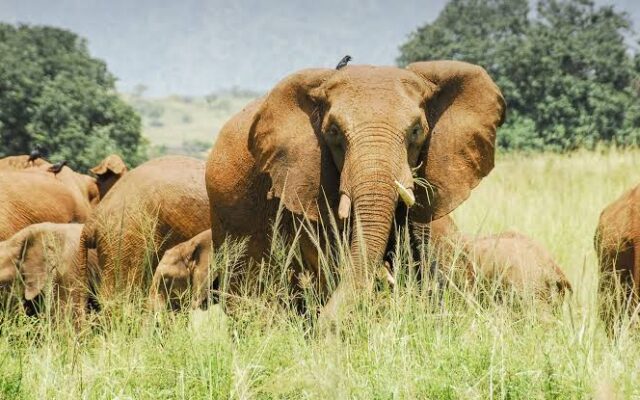
4 Days Kidepo Valley Safari
You visit
Entebbe (Start, End)
Kidepo Valley is Uganda's most remote park — semi-arid savannah against the Morungole Mountains near the South Sudan border. Cheetah, ostrich and large lion prides roam the Narus Valley; the drier Kid…