Oribi conservation reflects a wider African story: a species still classified Least Concern globally, yet losing ground wherever savannah is ploughed, grazed by livestock, or snared for bushmeat. Inside Uganda's national parks, oribi remain a confident sight on game drives — proof that protected grasslands work. Outside the fence, the trajectory is less certain. See also habitat, where to see oribi, and safari experiences that fund park protection.
IUCN Status
The oribi is classified Least Concern on the IUCN Red List, with a global population estimated around 750,000 individuals across sub-Saharan Africa. That headline status should not imply complacency: numbers are declining in many regions due to agricultural expansion, livestock competition, and habitat fragmentation. Uganda's park populations are locally secure but nationally dependent on protected-area integrity.
Threats Outside Protected Areas
Where savannah converts to cropland — maize, sorghum, wheat, and oats fields can attract oribi that damage crops resembling their natural diet — conflict follows. Bushmeat poaching and snaring along park boundaries take oribi because they are small and approachable. Livestock overgrazing reduces the short-grass mosaic oribi need and brings disease risk across the fence.
Bush encroachment from suppressed fire changes grass structure, reducing both feeding quality and hiding cover — a double penalty for a species that needs both.
Protected Area Strongholds in Uganda
Uganda's savannah network anchors oribi survival for tourism and ecology:
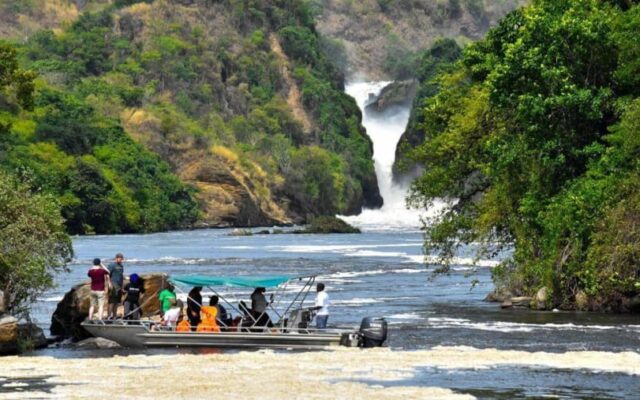
- Murchison Falls National Park — flagship Borassus grasslands and Nile savannah
- Kidepo Valley National Park — remote northeast stronghold
- Lake Mburo National Park — accessible acacia grasslands near western circuits
These parks provide anti-poaching patrols, fire management, research access, and tourism revenue that justifies land set aside for wildlife.
Ecological Role
Oribi are not keystone prey at the scale of Uganda kob, but they matter in the mesopredator food web — sustaining leopards, jackals, and avian predators that keep savannah systems balanced. Remove small antelopes and predator communities shift, often toward livestock conflict outside parks.
As selective grazers that exploit post-fire regrowth, oribi also participate in the nutrient cycling and grass succession dynamics fire-maintained savannahs depend on.
Historical Context in Uganda
Uganda's savannah parks suffered severe wildlife declines in the 1970s and 1980s. Recovery through Uganda Wildlife Authority management, donor support, and tourism reinvestment restored antelope populations that now include reliable oribi on standard game drives. Seeing pairs on Murchison's north bank is itself a conservation outcome — not a guaranteed given across Africa.
Tourism as Conservation Finance
Every park entrance fee, game-drive vehicle, and lodge night feeds rangers, maintains roads, and supports community revenue-sharing programmes. Oribi may not sell permits the way mountain gorillas do, but they enrich the savannah experience that keeps visitors booking Murchison and Mburo — diversifying tourism beyond primates alone.
Community Benefits
Revenue-sharing channels a portion of park fees to neighbouring districts for schools, roads, and health projects. Lodge employment and guiding careers tie local livelihoods to living wildlife. When communities benefit from intact savannah, tolerance for park boundaries strengthens — essential where oribi are vulnerable to snaring.
Research and Monitoring
Oribi are less studied than Uganda kob or impala, but park-wide aerial surveys and ground counts track savannah herbivore trends indirectly. Habitat monitoring — grass height, burn regimes, encroachment — often matters more than species-specific censuses for management decisions affecting oribi.
Regional Context
Oribi range across much of sub-Saharan Africa, from West Africa to the Eastern Cape. Transboundary cooperation matters where corridors connect populations, though for most travellers Uganda's internal parks are the practical conservation anchor they can support through responsible tourism.
What Travellers Can Do
- Book safaris through licensed Ugandan operators
- Follow park rules on tracks, speed, and wildlife distance
- Include savannah days in itineraries — not only gorilla trekking
- Avoid purchasing bushmeat or wildlife products
- Share conservation-minded storytelling beyond trophy photos
Outlook
With continued park investment, community engagement, controlled burning, and responsible tourism growth, oribi should remain a graceful constant on Uganda savannah drives — not a species remembered only from old field guides. Plan a visit that supports that outcome via our Uganda safaris hub and seasonal planning guide.