The mountain reedbuck diet reflects a montane grazer tuned to patchy highland pastures. These antelopes select tender grasses and forbs on slopes and meadow edges, drinking from streams and seepages but surviving on drier rocky ground better than wetland reedbuck. Seasonal grass quality on Rwenzori and Mount Elgon foothills shapes movement and sighting odds for trekkers. See also habitat, behaviour, and where to see mountain reedbuck.
Herbivore Ecology
Mountain reedbuck are selective grazers — taking high-quality grass shoots and forbs rather than bulk roughage. Smaller bodies than waterbuck and a highland niche mean quality bites on limited slope lawns matter more than continuous grazing across wide plains.
That selectivity ties reedbuck to habitats where moisture, sun, and disturbance renew grass — montane meadows after rain, burnt patches, and streamside lawns on Rwenzori and Elgon foothills.
Preferred Foods
Across Africa, mountain reedbuck favour:
- Tender tussock grasses on slope meadows
- Young shoots of Themeda, Festuca, and Pennisetum species
- Forbs and dicot leaves in dry months when grass quality drops
- Fresh regrowth after fire or light grazing
- Green forage near streams and seepages
Unlike bohor reedbuck, they occasionally browse woody shoots when grass is scarce — a flexibility that helps survive dry spells on exposed slopes.
Research in East Africa
Studies in highland Kenya and Tanzania describe seasonal switching between grass species as rainfall and temperature shift montane productivity. In Uganda's Albertine and eastern highlands, reedbuck on Rwenzori foothills follow similar patterns — wet-season preference for lush Cynodon and meadow grasses, dry-season concentration on persistent tussocks near water.
Water and Moisture Needs
Mountain reedbuck are moderately water-dependent. They drink from streams and springs but can exploit dew and succulent forage on wet mornings. Dry seasons still pull animals toward reliable seepages on foothill tracks — the same pattern that makes dawn walks productive on Mount Elgon approach trails.
Feeding Times and Daily Rhythm
Mountain reedbuck feed mainly at dawn and late afternoon, resting in cover during midday heat. Nocturnal grazing occurs but is less documented than in bohor reedbuck. Vigilance is high — animals alternate bites with scanning for leopard and other slope predators.
Trekkers who start early often find reedbuck on open meadow edges before they retreat to rocks and taller grass.
Association With Other Grazers
On lower slopes, mountain reedbuck may graze near oribi and bushbuck — each species using different cover and height preferences. Bohor reedbuck occupy valley wetlands below in Kidepo; mountain reedbuck stay on kopje slopes above. The diet partition mirrors habitat partition.
Seasonal Diet Shifts in Uganda Parks
Wet Seasons (March–May, September–November in western Uganda)
Fresh growth spreads reedbuck across wider slope grasslands. Cover is thicker; sightings may rely on whistles and movement. Protein-rich shoots support breeding females and calves.
Dry Seasons (June–August, December–February)
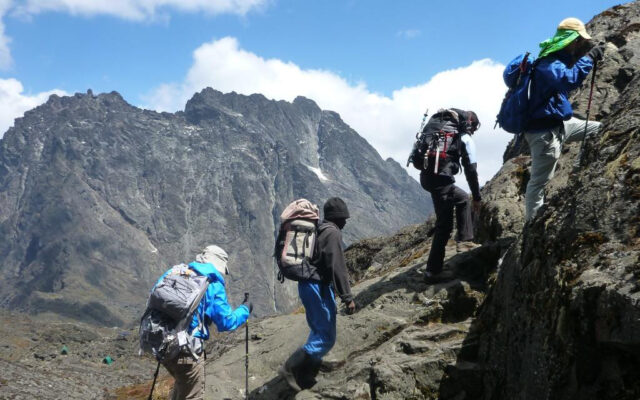
Grass quality falls on exposed ridges; reedbuck contract toward stream margins and damp meadows. Foothill dawn walks on Rwenzori and Elgon often produce animals on lawn edges before they vanish uphill.
Impact on Vegetation
Moderate selective grazing can maintain montane lawn structure and stimulate tillering. Heavy livestock pressure outside parks competes for the same tender shoots. Inside reserves, reedbuck grazing sits within a broader herbivore community including elephant and buffalo on forest margins.
Diet, Predators, and Safari Viewing
Because reedbuck feed on productive slope edges where cover meets open ground, they occupy ecotones leopards patrol. Understanding feeding times helps photographers position on meadow rims at dawn rather than chasing midday forest trails.
Conservation Link
Sustainable montane grazing depends on native grass species remaining abundant. Habitat loss, overgrazing by livestock, and invasive plants can reduce carrying capacity silently. Park boundary protection and community grazing agreements are dietary conservation in practice — see conservation.
Field Tips for Travellers
- Scan slope meadow edges at dawn — feeding reedbuck may step out briefly
- Listen for whistling alarms from rocks before you see the animal
- Ask guides to include foothill grassland, not only forest trails
- Pair diet-focused routing with our best time to see mountain reedbuck guide
Combine hillside walks with safari experiences when building a highland itinerary.