Mountain reedbuck can be seen year-round in Uganda's highland parks, but season, time of day, and trek scheduling shape encounter quality. Animals feed openly on slope meadows in cool morning light, then melt into rocks and grass by midday. Dry seasons improve trail access and visibility; wet seasons refresh montane pastures and trigger breeding behaviour. Use this guide with where to see mountain reedbuck, habitat, and safari experiences to time your visit.
Year-Round Viewing
Unlike long-distance migrants, mountain reedbuck remain resident on their highland slopes. Any month can deliver sightings on Rwenzori foothill walks, Mount Elgon hiking routes, and Kidepo kopje drives. The question is not whether rocky grassland exists, but how openly animals feed — misty dawn meadows in dry months versus thicker cover after sustained rain.
Dry Seasons — Peak Visibility
Uganda's main dry windows — roughly June to September and December to February — generally offer the best mountain reedbuck viewing for mainstream safari travellers.
Why Dry Season Works
- Animals concentrate near streams and seepages on foothill meadows
- Grass on heavily grazed lawn edges is shorter — easier to spot animals stepping out
- Rwenzori and Mount Elgon trails are firmer and more predictable
- Morning mist on slopes often clears for photography by mid-morning
- Kidepo kopje tracks are more passable between rocky sectors
On Rwenzori day walks from Nyakalengija and Mount Elgon approaches from Sipi Falls, dry-season dawn sessions often produce reedbuck on meadow rims before they retreat uphill.
Wet Seasons — Lush Pastures, Thicker Cover
Western Uganda's wetter peaks — typically March to May and September to November — refresh montane grass growth and support breeding females and calves.
Wet Season Trade-offs
- Pros: Green scenery, fewer trekkers, territorial whistling, newborn calves hidden then gradually visible
- Cons: Taller grass hides animals; muddy trails on Elgon and Rwenzori; intermittent rain on morning walks
Serious naturalists may prefer wet months for behaviour and highland soundscapes; first-time visitors prioritising easy sightings often choose dry windows.
Time of Day
Dawn (6:00–9:00)
The single best period. Mountain reedbuck move to feed on slope meadow edges in cool light. Leopards remain active on forest–grass ecotones. Soft light helps photography when animals step briefly into the open.
Midday
Animals rest in taller grass and rock shade — low sighting rates on exposed trails. Use midday for lodge rest, cultural visits in Kasese or Mbale, or lower-elevation activities.
Late Afternoon (15:30–18:30)
Second feeding peak. Reedbuck emerge on meadow edges again; golden hour light on Rwenzori foothills is excellent for grey-coat photography.
Night
Some grazing occurs after dark. Official night activity is limited on most highland routes, but lodge-perimeter whistles are occasionally reported near foothill settlements bordering park land.
Monthly Snapshot — Rwenzori and Mount Elgon
- January–February: Dry; excellent dawn foothill walks; holiday booking pressure
- March–May: Long rains; lush meadows; cryptic sightings; breeding peaks
- June–August: Dry; strong trail conditions; clear morning visibility
- September–November: Short rains; mixed conditions; green landscapes
- December: Dry start; popular trekking window
Kidepo Valley — Northeastern Timing
Kidepo follows a somewhat drier climate with a more pronounced wet season (April–September) and drier remainder. Mountain reedbuck on kopje slopes concentrate near remaining seepages in the driest months — often November to March for combined valley and slope viewing, though heat and road conditions must be planned carefully.
Trekking Seasons on Rwenzori
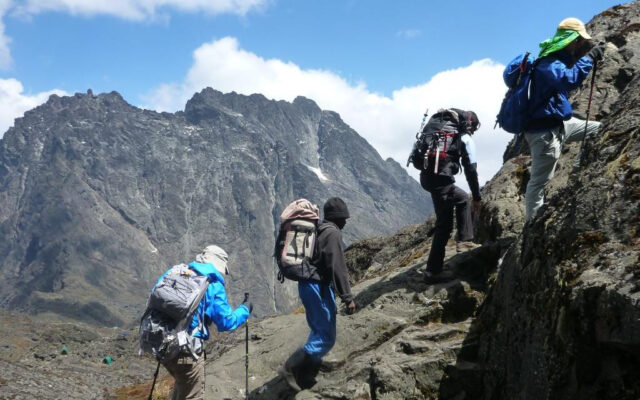
Multi-day Rwenzori climbs are generally best attempted in dry months when trails are firm and cloud base lifts — improving chances of recording reedbuck on montane grassland transitions during ascent days. Wet-season treks are possible with preparation but demand waterproof gear and flexible routing on muddy sections.
Mount Elgon Hiking Seasons
Mount Elgon trekking suits dry months when slope trails are firm and cloud clears to reveal reedbuck on volcanic outcrops. Wet-season hikes are rewarding between showers when guides know which meadow sections remain accessible — pack rain protection and allow schedule flexibility.
Breeding and Rut Timing
Mating peaks in rainy periods when montane grass quality supports females. Travellers interested in whistling, territorial behaviour, and hillside displays should ask operators about wet-season routing — while accepting that animals may be harder to see in thicker cover.
Photography Tips by Season
- Dry season: Telephoto on meadow edges; mist and warm tones at sunrise on Rwenzori foothills
- Wet season: Higher ISO in overcast light; emphasise whistle moments and behaviour over portrait clarity
- Both: Binoculars essential; patience beats rushing forest-only trails
Combining With Other Wildlife Seasons
Mountain reedbuck timing aligns with classic Uganda safari peaks: dry months for gorilla trekking trail comfort in Bwindi, chimpanzee walks in Kibale, and savannah predator viewing on kob plains. Highland reedbuck fit naturally into the same windows — no separate calendar required when building Rwenzori–Bwindi or Elgon–Kibale combinations.
Practical Planning
- Book dawn foothill walks explicitly — not only afternoon forest sessions
- Allow two mornings in a highland park for cryptic species luck
- Pack rain layer in wet months; warm layer for dawn at elevation
- On Kidepo, request kopje-slope scanning on game-drive briefings
Shoulder Months
March and November often blend wet and dry characteristics: occasional showers, green scenery, and mixed sighting difficulty. These shoulder windows suit travellers who want lower lodge pressure and acceptable trail conditions without peak-season booking competition on Rwenzori trekking slots.
Match season to priorities — easy sightings versus breeding behaviour — then build parks via where to see mountain reedbuck and Uganda safari packages.