Mountain reedbuck conservation reflects a familiar African pattern: globally secure on paper, locally sensitive in practice, and quietly dependent on parks that keep rocky highland grasslands intact. Classified Least Concern by the IUCN, Redunca fulvorufula nonetheless faces hunting, habitat loss, and livestock pressure across fragmented montane landscapes — including slopes outside Uganda's protected boundaries. Tourism that values highland antelope strengthens the case for keeping foothill meadows wild. See habitat, where to see reedbuck, and safari experiences that support protected areas.
IUCN Status and Population Trends
The IUCN Red List rates Redunca fulvorufula as Least Concern (2016 assessment). Populations are widespread but patchy across eastern and southern Africa's highlands — locally common on favourable slopes yet absent from lowland savannah. Declines are documented regionally through hunting, settlement, and grassland conversion rather than as a single continental crash.
Mountain reedbuck are more dependent on intact rocky grassland mosaics than their wetland cousin — habitat fragmentation can eliminate populations from hillsides that look green from a distance but lack escape rock and stream structure.
Uganda's Conservation Context
Uganda's mountain reedbuck strongholds lie in three protected areas: Rwenzori Mountains National Park foothills and montane zones, Mount Elgon National Park volcanic slopes, and rocky sectors of Kidepo Valley National Park. Uganda Wildlife Authority management, anti-poaching patrols, and community revenue sharing frame the national protection model.
Unlike flagship species with dedicated permit revenue, mountain reedbuck benefit indirectly from trekking tourism, hiking permits, and game-drive fees that fund ranger presence on the same slopes reedbuck inhabit.
Threats to Survival
Habitat Loss and Cultivation
Foothill grasslands outside park boundaries face cultivation, settlement, and livestock grazing. Rocky slopes cleared for crops or stripped of native tussock grass remove both food and escape cover. Fire regimes that shift from patch burning to uncontrolled wildfire can degrade montane lawn structure reedbuck need.
Hunting and Poaching
Mountain reedbuck are hunted for meat and occasionally trophies — males with visible horns are targeted. Snaring along park margins and hunting with dogs on communal land remain risks in some highland districts. Bushmeat demand near growing towns pressures animals on slopes outside formal protection.
Human–Wildlife Interface
Livestock competes for tender montane grasses on shared foothill pastures. Disease transmission between domestic stock and wild antelopes is a background risk. Trail expansion and informal settlement on park edges narrows the grassland–rock ecotones reedbuck use at dawn.
Climate and Grass Productivity
Shifts in rainfall timing and temperature can alter montane grass flush patterns — affecting calf survival and breeding success without immediately visible population crashes. Drought concentrates animals on shrinking seepages, increasing predation and poaching vulnerability simultaneously.
East African Subspecies — Redunca fulvorufula chanleri
Uganda hosts the East African form Redunca fulvorufula chanleri — grey-toned and adapted to Afroalpine margins on Rwenzori and eastern highland volcanoes. Subspecies conservation is habitat conservation: protecting slope–rock mosaics from roughly 1,500 to 4,000 metres elevation across the Albertine and eastern rift highlands.
Protected Areas as Strongholds
Continental strongholds include Ethiopia's Bale Mountains, Kenya's highland parks, Tanzania's montane zones, and southern Africa's Drakensberg — alongside Uganda's mountain parks. Inside reserves, reedbuck conservation is inseparable from:
- Montane grassland and moorland margin protection
- Fire management maintaining lawn–rock mosaics
- Anti-poaching patrols on foothill boundaries
- Community benefit tourism reducing bushmeat incentive
- Trekking trail management limiting soil erosion on slopes
Ecological Importance
Mountain reedbuck are mid-tier montane prey supporting leopards, hyenas, and raptors on highland circuits. As selective grazers, they participate in slope pasture dynamics alongside bushbuck, oribi on lower meadows, and diverse highland birds. Lose reedbuck and you signal montane grassland degradation — not merely the loss of one antelope on a checklist.
Comparison With Bohor Reedbuck Conservation
Bohor reedbuck depend on wetland protection; mountain reedbuck depend on rocky highland protection. Uganda's two reedbuck species illustrate complementary conservation priorities — floodplain integrity in Murchison and Queen Elizabeth, slope integrity on Rwenzori and Elgon.
Research and Monitoring Needs
Population counts for cryptic hillside antelopes are harder than open-plain censuses. Foot transects, dung counts, and collaring (where ethically justified) help managers detect declines before they become crises. Diet research linking native grass species to reedbuck nutrition informs habitat restoration on degraded foothills.
Responsible Tourism
Regulated park tourism generates revenue for Uganda Wildlife Authority and community projects — the economic counterweight to poaching and habitat conversion. Travellers contribute by:
- Choosing licensed operators who pay park fees
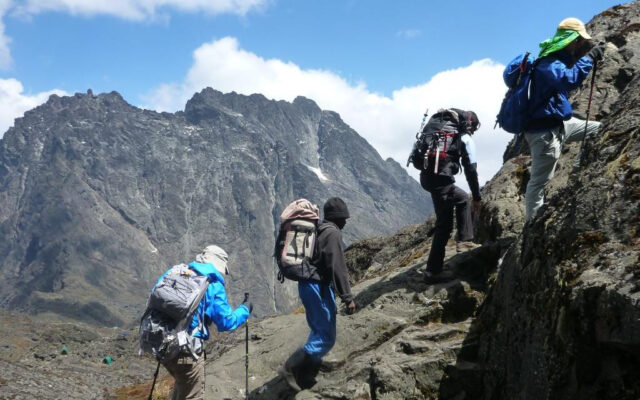
- Staying on designated trails on Rwenzori and Mount Elgon
- Not pursuing alarmed animals uphill through cover
- Reporting snares or illegal activity to rangers
Highland trekking dollars do not replace habitat law enforcement, but they help justify keeping foothill grasslands wild.
Community Benefits
Revenue-sharing channels a portion of park fees to neighbouring districts for schools, roads, and health projects. Lodge employment and guiding careers tie local livelihoods to living wildlife on Rwenzori and Elgon circuits. When communities benefit from intact montane landscapes, tolerance for park boundaries strengthens — essential where snaring remains a risk.
Outlook
With continued montane grassland protection, anti-poaching effort, and tourism that values highland biodiversity beyond primates alone, Uganda can maintain mountain reedbuck as a living component of Rwenzori and Mount Elgon safaris — not a footnote in old park reports. The global Least Concern label is a floor, not a finish line.
Support conservation in practice by planning park-based itineraries via mountain reedbuck safari experiences and Uganda safari packages.