L’hoest’s monkey conservation — expert Uganda safari guide from local planners who know permits, parks, and realistic routing.
L'Hoest's monkey conservation is inseparable from Albertine Rift forest survival. Classified Vulnerable by the IUCN, Allochrocebus lhoesti faces habitat fragmentation, snaring, and edge effects from expanding agriculture across a narrow range. Uganda's flagship reserves — Bwindi, Mgahinga, and Kibale — shelter nationally critical populations where tourism revenue and ranger patrols translate directly into ground-layer protection for this shy, terrestrial forest monkey.
IUCN Status and Population Trends
The IUCN Red List assesses L'Hoest's monkey as Vulnerable — not yet Endangered globally but on a declining trajectory across much of the range. Precise population estimates are uncertain due to cryptic habits and survey difficulty in dense forest, but range contraction and local extirpations at forest edges are well documented from DRC, Rwanda, and Uganda monitoring. The species is absent from savannah parks and plantation landscapes — any net forest loss is net monkey loss.
Albertine Rift Endemism and Responsibility
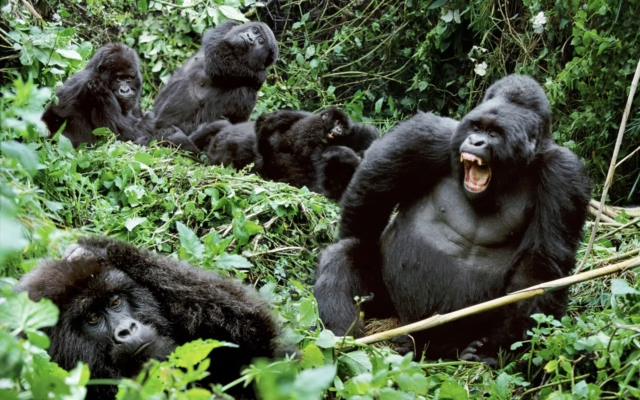
As an Albertine Rift endemic, L'Hoest's monkey shares fate with mountain gorillas, golden monkeys, and hundreds of restricted-range species. Uganda hosts internationally significant primate tourism — gorilla permits alone fund substantial conservation infrastructure that indirectly protects L'Hoest's habitat on shared trails. Visitors who trek gorillas and chimps therefore participate in a broader forest security system extending beyond single flagship species.
Habitat Loss and Fragmentation
Forest clearance for agriculture, settlement, tea, and fuelwood shrinks continuous habitat and isolates troops in smaller fragments with reduced genetic exchange. Edge effects penetrate hundreds of metres into forest — increased sunlight alters understory structure, snare density rises, and human disturbance accelerates. Bwindi's World Heritage status and legal protection provide strong safeguards, but community lands outside boundaries remain dynamic pressure zones requiring ongoing engagement programmes.
Snaring and Bushmeat Threats
Wire snares set for duiker and other bushmeat indiscriminately kill ground-foraging monkeys. L'Hoest's terrestrial ecology elevates snare risk versus strictly arboreal species. Anti-poaching patrols funded by park fees and tourism partnerships remove thousands of snares annually across Ugandan protected areas — measurable conservation output that benefits L'Hoest's troops even when patrols target gorilla security first.
Why Terrestrial Foraging Increases Risk
Monkeys foraging in leaf litter step into ground-level loops invisible to human eyes until tightened. Injured animals may escape traps with severed limbs or die slowly — unglamorous casualties rarely seen by tourists but central to population biology. Reducing bushmeat demand in gateway communities and strengthening law enforcement remain parallel priorities.
Protected Areas in Uganda
- Bwindi Impenetrable National Park — largest montane forest block; core L'Hoest's stronghold
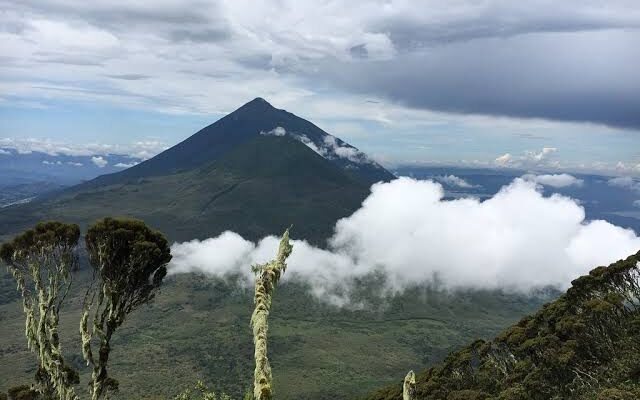
- Mgahinga Gorilla National Park — compact volcanic forest; regional connectivity with Virunga landscapes
- Kibale National Park — western margins with Albertine influence; chimp tourism funds patrols
Uganda Wildlife Authority manages these parks with ranger posts, snare removal, community revenue-sharing, and research partnerships. International NGO support supplements law enforcement and monitoring.
Tourism as Conservation Tool
Regulated primate tourism generates foreign exchange, local employment, and political incentive to maintain forest cover. Gorilla and chimp permit fees explicitly fund conservation; lodge and guide income spreads benefits to communities that might otherwise convert forest to farmland. Choosing licensed operators who pay official fees and respect wildlife codes strengthens the economic case for intact habitat — including ground layers L'Hoest's monkeys require.
Regional and Cross-Border Context
Monkeys do not respect borders. Populations in DRC's Albertine forests, Rwanda's Nyungwe system, and Burundi remnants form a regional metapopulation. Instability and weak enforcement in some neighbouring sectors amplify threats that spill across boundaries as poachers and refugees move. Uganda's relative stability and mature park institutions make its forests disproportionately important for regional primate persistence.
Climate Change Considerations
Montane forest species face long-term upslope habitat compression as temperatures rise — suitable climate space may shrink even where forest cover remains nominally intact. Adaptive management — corridor protection, minimising internal fragmentation, and monitoring population health — becomes essential over multi-decade horizons. L'Hoest's monkeys are not climate-proof despite current park security.
Research and Monitoring Needs
Compared with gorillas, L'Hoest's monkeys lack long-term habituated research troops in Uganda. Baseline density estimates, ranging patterns, and mortality sources remain guide knowledge and incidental ranger reports more than published time series. Supporting primate research — even opportunistic sightings data from ethical operators — helps managers prioritise patrol sectors and assess snare impacts.
Community Conservation
People live adjacent to Bwindi, Mgahinga, and Kibale — their land-use choices shape forest edges. Revenue-sharing, employment in tourism and park service, and alternative livelihood projects reduce pressure to encroach or poach. Community forest walks at Bigodi and similar initiatives demonstrate that wildlife value can flow to landowners who maintain buffer habitats.
What Travellers Can Do
- Book safaris through licensed operators paying official park fees
- Follow ranger rules on primate treks — noise and pursuit stress wildlife
- Never purchase bushmeat or wildlife products
- Choose lodges with documented community and conservation partnerships
- Spread forest tourism across multiple park days — increasing patrol coverage indirectly
Conservation Outlook
With sustained protection, Uganda's L'Hoest's populations can remain stable within park cores even as edge populations decline regionally. Without continued anti-poaching investment and community engagement, terrestrial monkeys are among the first species to vanish from fragmented forest — silent losses overshadowed by gorilla success stories. Linking flagship primate tourism to lesser-known endemics like L'Hoest's monkey helps justify comprehensive forest defence rather than single-species enclaves.
Further Reading on This Site
Explore habitat for forest ecology, behaviour for snare vulnerability context, and safari experiences for itineraries that fund protected areas through responsible tourism across the Albertine Rift.