Jackson’s hartebeest diet — expert Uganda safari guide from local planners who know permits, parks, and realistic routing.
The Jackson's hartebeest diet reflects millions of years of savannah evolution within the Alcelaphini tribe. These antelopes are primarily grazers — not bulk roughage processors like buffalo, nor browsers like giraffe — but selective specialists that target grass parts other herbivores ignore. Understanding what they eat explains their habitat choices in Kidepo Valley, their seasonal movements, and their place in the park's predator–prey system. See also habitat, feeding behaviour, and species facts.
Grass Specialists
Jackson's hartebeest consume almost all grass species and all parts of the grass plant — blades, stems, leaf sheaths, and seeds when available. Broad-leaf foliage accounts for less than five percent of diet, making them true grazers in ecological terms. That specialisation ties them tightly to savannah grasslands and ecotones where grass diversity and regrowth stay high.
One notable exception: they tend to avoid Cynodon grass, which many other grazers favour. That dietary quirk reduces direct competition with some coexisting herbivores and spreads grazing pressure across the plant community.
Skull and Muzzle Adaptations
Hartebeest possess a long, narrow muzzle and a skull structure that eases acquisition and chewing of fibrous foods. Compared with other Alcelaphini, hartebeest have relatively low food intake per unit body mass — but they compensate with efficiency, extracting nutrients from material other grazers cannot process profitably.
This adaptation likely helped hartebeest radiate across Africa in eras when savannah expansion created tough, seasonal forage. On a Kidepo game drive late in the dry season, herds still grazing apparently "brown" plains are demonstrating that capability in real time.
Short-Grass Preference
Hartebeest favour short-grass areas where leaf blades are tender and protein content higher. Freshly burned or heavily grazed patches often attract them when new shoots emerge. That preference explains their visibility on open Narus plains and their tendency to work woodland edges where sun and herbivory maintain shorter swards.
Seasonal Diet Shifts
Wet Season
When rains green the landscape, hartebeest spread across plains and into thinly grassed woodlands, targeting fresh growth wherever it appears. Nutritional quality peaks, supporting reproduction and calf growth. In Uganda, calving often aligns with this window around May.
Dry Season
As grasses senesce, hartebeest rely more heavily on their ability to chew tough stems and derive value from standing hay-like material. They concentrate nearer drainage lines and permanent water while continuing to graze — a period when less specialised grazers may struggle.
Water and Moisture Intake
Hartebeest drink regularly when surface water is available and are commonly found near the Narus River system in dry months. They can also go extended periods deriving moisture from succulents, melons, and moisture-rich plants when water points are distant — a buffer against drought stress, though not a substitute for reliable park hydrology.
Daily Feeding Rhythm
Jackson's hartebeest are diurnal feeders with peak grazing in early morning and late afternoon. Midday is typically spent resting in shade — reducing heat load and predator exposure during hours when lions may be less active but visibility is harsh. Safari planners who schedule dawn and dusk drives align naturally with feeding peaks.
Competition and Niche Separation
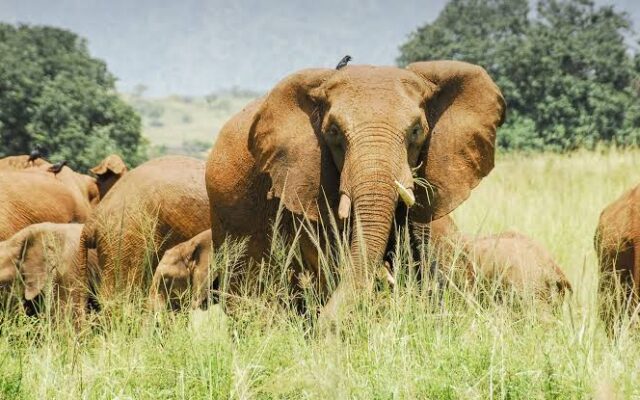
On Kidepo plains, hartebeest share grazing space with buffalo, zebra, Uganda kob, waterbuck, and elephant. Niche separation emerges through grass height preference, plant species selection, and habitat position:
- Buffalo: Bulk grazers on varied grass heights
- Zebra: Often ahead of wildebeest/hartebeest sequences in some systems; different bite mechanics
- Uganda kob: Short-grass specialists on open plains
- Waterbuck: More wetland-edge associated
- Hartebeest: Ecotone grazers with fibrous-grass efficiency
The combination maintains grassland heterogeneity rather than simple head-to-head competition.
Nutrition and Body Condition
Growth rates, horn development in males, and female fertility all track nutrition. Good rainy seasons produce robust calves and intense territorial behaviour in males; drought years suppress reproduction and increase vulnerability to predation. Monitoring body condition across seasons is one way researchers assess savannah health in protected areas.
Diet and Predation Risk
Selective short-grass feeding often places hartebeest on open ground where lions detect them easily. The trade-off is nutritional gain versus exposure — the fundamental calculus of savannah herbivore life. Hartebeest mitigate risk through herd vigilance, sentinel behaviour, and explosive flight; lions mitigate through stalking cover at woodland edges hartebeest must approach.
Implications for Conservation
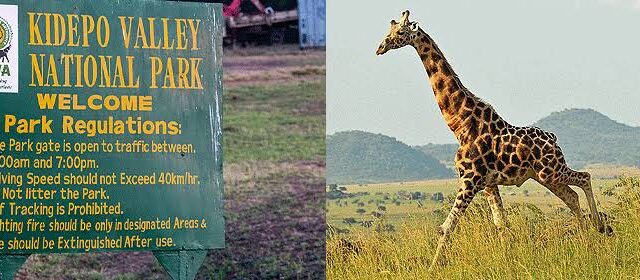
Because hartebeest depend on grassland quality across ecotones, habitat loss outside parks hits them twice: once through direct range reduction, once through livestock competition on the same short-grass swards. Inside Kidepo Valley National Park, maintaining fire regimes, water integrity, and boundary protection preserves the forage base this species requires.
Planning a Diet-Aware Safari
Travellers rarely plan safaris around grazer nutrition — but understanding feeding ecology improves sightings. Schedule dawn drives when hartebeest are actively grazing, visit during dry season when herds concentrate near Narus water, and ask guides about recent rain patterns affecting grass green-up. Pair this page with best time to see and where to see for a complete Kidepo planning picture.