Hippopotamus habitat is built around a simple but strict formula: permanent deep water for daytime refuge, soft banks for entry and exit, and short-grass grazing within a few kilometres of the shoreline. Uganda’s western rift valley, Nile corridor, and park lakes deliver this combination repeatedly — which is why Murchison Falls, Queen Elizabeth, and Lake Mburo rank among Africa’s best hippo destinations. This guide explains the ecology behind those sightings and how hippo behaviour follows water availability.
What Defines Hippopotamus Habitat?
Common hippos (Hippopotamus amphibius) inhabit rivers, lakes, mangrove swamps, and permanent wetlands across sub-Saharan Africa. They avoid fast, rocky torrents without resting pools and rarely persist where water disappears seasonally. Within suitable ranges, they favour gently sloping shorelines where a 3-tonne animal can walk in and out without expending excessive energy.
Three habitat elements work together:
- Deep water or submerged resting pools — for thermoregulation and predator avoidance by day
- Mud wallows and sheltered bays — for skin protection when water levels fluctuate
- Adjacent grasslands — for nocturnal grazing within typical nightly travel distances of 3 to 5 kilometres
Aquatic Habitat Requirements
Hippos are semi-aquatic rather than fully marine. They require enough depth to submerge most of the body while standing on the bottom — typically around 1.5 metres or more in resting areas. Because hippos do not truly swim, they need substrates they can walk on. Sandy or muddy bottoms in slow-moving channels are ideal.
Preference for Still or Slow Water
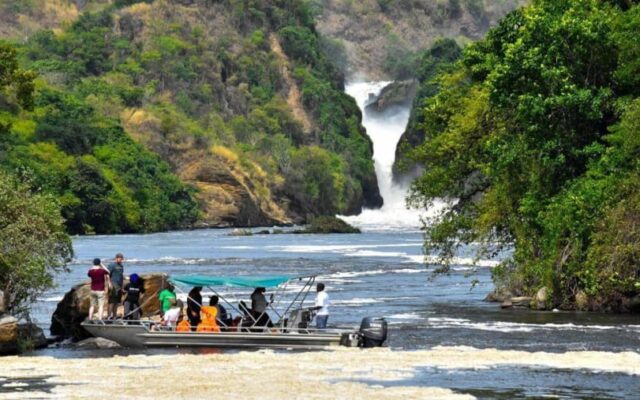
Research and field observation consistently show hippos favour backwaters, eddies, and lake margins over rapids. In Murchison Falls National Park, large pods concentrate in the broad Victoria Nile below the falls rather than in the narrow gorge itself. Similarly, the Kazinga Channel’s relatively calm connection between Lakes George and Edward supports extraordinary densities.
Thermoregulation and Skin Health
Hippo skin burns and desiccates quickly in direct sun. Water and mud act as natural air conditioning. This physiological constraint means aquatic habitat is not optional — it is a daily survival requirement. Midday boat cruises therefore coincide with peak hippo visibility in the water.
Terrestrial Grazing Habitat
Although hippos appear inseparable from rivers, their nutritional needs are met on land. Short, nutritious grasses on floodplains, lake margins, and savannah fringes form the bulk of the hippopotamus diet. Hippos create and maintain grazing lawns through repeated nightly feeding, often returning to the same meadows.
Hippo Paths and Landscape Engineering
Repeated travel between water and feeding grounds carves visible trails — sometimes trench-like — into riverbanks. These paths influence erosion patterns, seed dispersal via dung, and access routes for other herbivores. Ecologists increasingly recognise hippos as wetland engineers whose movements redistribute nutrients from land to water.
Territorial Structure in Water
Habitat use differs between sexes. Territorial bulls monopolise stretches of river or lake shoreline, while cows, calves, and subadults associate within those defended areas. When water levels drop in the dry season, territories compress, competition intensifies, and conflict becomes more visible to safari observers.
Dry-Season Pressure
In prolonged dry periods, remaining pools concentrate hippos and heighten aggression. This is one reason seasonal timing affects not only road conditions but behavioural drama on the water.
Uganda’s Flagship Hippo Habitats
Victoria Nile, Murchison Falls National Park
The Nile below Murchison Falls offers classic hippo habitat: broad river channels, papyrus fringes, sandbanks, and savannah grasslands within easy nightly reach. Launch cruises toward the falls base and delta routes toward Lake Albert pass through some of the park’s densest pods. Crocodiles, elephants, and waterbirds share these corridors — a full river ecosystem on display.
Kazinga Channel, Queen Elizabeth National Park
The 32-kilometre Kazinga Channel is perhaps the single most famous hippo habitat in Uganda. Connecting Lake George and Lake Edward, it provides calm water, rich grazing on the park’s plains, and year-round permanence. Many operators describe it as among the highest hippo concentrations in East Africa — a claim supported by the sheer number of animals visible on a standard two-hour boat safari.
Lake Mburo, Lake Mburo National Park
Uganda’s smallest savannah park centres on a freshwater lake surrounded by acacia woodland and open valleys. Lake Mburo supports numerous pods along sheltered shorelines. The habitat is more intimate than Murchison or Queen Elizabeth, but exceptionally reliable for visitors with limited time on a southwest circuit.
Water Quality and River Ecology
Hippo dung introduces organic matter and nutrients into aquatic systems. In balanced ecosystems, this supports fish and invertebrate productivity. In confined or over-enriched waters, excessive inputs can alter oxygen levels — illustrating how hippo density interacts with habitat carrying capacity.
On the Nile and Kazinga, natural flow and seasonal flushing help maintain ecological balance. Protected status under the Uganda Wildlife Authority reduces pollution and unsustainable fishing pressure that might otherwise compound habitat stress.
Habitat Overlap with Other Species
Hippo wetlands are biodiversity hotspots. Nile crocodiles bask on the same banks. African elephants drink and bathe nearby. African fish eagles, pied kingfishers, and African skimmers hunt above the water. Shoebills inhabit adjacent swamps in Murchison’s delta region seasonally. A hippo boat cruise is therefore a gateway to broader wetland wildlife viewing.
Threats to Hippo Habitat
Across Africa, wetland drainage for agriculture, dam construction, water extraction, and human settlement fragment hippo habitat. Pollution and siltation degrade water quality. Outside parks, hippos that raid crops face retaliatory killing — a leading edge of conservation conflict.
Uganda’s flagship populations benefit from national park protection, but connectivity between waterways matters for genetic exchange and drought resilience. Corridor conservation remains an ongoing priority.
Habitat and Safari Planning
Understanding habitat helps travellers set realistic expectations. Hippos will not appear on open savannah game drives the way buffalo herds do — they require water. The most productive hippo safari experiences schedule dedicated boat time rather than treating hippos as incidental sightings.
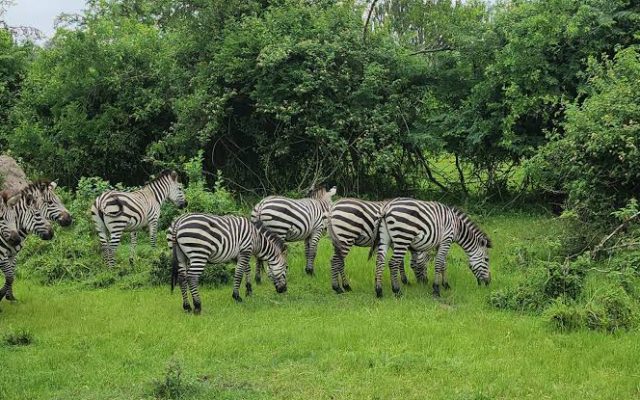
Combine habitat knowledge with park choice: Murchison for Nile scale and falls drama; Queen Elizabeth for channel density and birdlife; Lake Mburo for compact lake scenery and zebra–hippo combinations on short itineraries.
Climate and Altitude
Uganda’s hippo parks span moderate altitudes with generally favourable water availability. Unlike arid regions where hippos cling to shrinking rivers, western Uganda’s rainfall patterns support relatively stable aquatic habitat — another reason viewing remains productive across months.
Future of Wetland Habitats
Climate variability, infrastructure development, and human population growth will test wetland integrity throughout Africa. Maintaining protected areas with funded ranger patrols, regulated tourism, and community benefit sharing is central to keeping Uganda’s river giants visible on boat safaris for generations. Responsible visitors who book licensed Uganda safaris directly support that outcome.