One of the most practical questions for safari planners is simple: when is the best time to see hippopotamuses in Uganda? The encouraging answer is that hippos are resident year-round in flagship parks — you do not need a narrow migration window. Still, seasons affect road access, boat comfort, water levels, behavioural intensity, and how easily hippos combine with other wildlife on Murchison Falls, Queen Elizabeth, and Lake Mburo itineraries.
Year-Round Viewing in Uganda
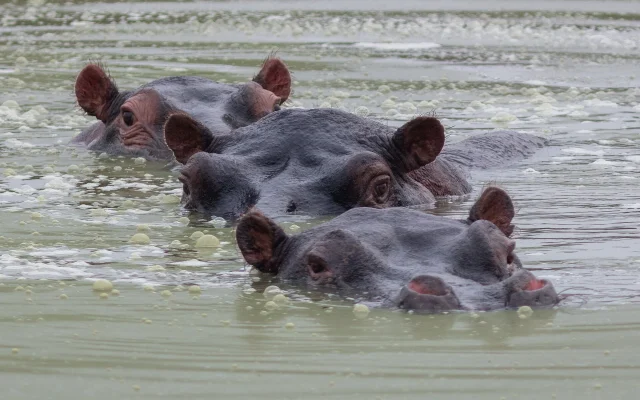
Unlike migratory species, hippos do not leave Uganda’s protected rivers seasonally. Pods on the Victoria Nile, Kazinga Channel, and Lake Mburo remain in place throughout the year. If your primary goal is seeing hippos from a boat, there is no month when parks are “closed” for hippo viewing — only months when logistics feel easier or harder.
Dry Seasons: June to September and December to February
Uganda’s two dry seasons are widely considered the most comfortable for general safari travel — and they suit hippo viewing exceptionally well.
Advantages of Dry-Season Travel
- Firmer roads to Murchison Falls and between southwest parks
- Lower rain interruption risk for scheduled Kazinga boat departures
- Concentrated wildlife at remaining water sources on savannah game drives
- Clearer photography light between showers
Dry-Season Hippo Behaviour
As water levels drop slightly, hippos crowd remaining pools more densely. Territorial bulls may display more aggression — yawning, chasing, and vocal duels increase. For observers on Kazinga Channel cruises, this can mean dramatic social behaviour alongside large pod counts.
Peak Tourism Considerations
June–September aligns with northern hemisphere summer holidays. Book lodges and boat slots early for Mweya and Paraa areas. Mid-range and midrange Uganda safaris remain popular in this window.
Wet Seasons: March to May and October to November
Rains green the landscape and refresh grazing habitat. Hippos spread along expanded shorelines with less crowding in some pools.
Advantages of Wet-Season Travel
- Lush scenery and dramatic skies for photography
- Fewer visitors on some boat cruises — quieter Kazinga experiences possible
- Improved grass growth supports nocturnal feeding — healthier body condition visible over time
- Lodge discounts occasionally available on budget Uganda safaris
Wet-Season Challenges
- Muddy roads — especially northern routes to Murchison
- Occasional boat schedule adjustments during storms
- Higher humidity on water — lens fog and comfort considerations
Hippos remain visible; logistics require more flexible pacing.
Best Time of Day for Hippo Viewing
Midday: Prime Boat Cruise Window
Because hippos spend daylight hours submerged, midday heat is paradoxically ideal for boat safaris. Animals cluster in water rather than dispersing on land. Scheduling a Kazinga or Nile launch between late morning and mid-afternoon often maximises pod visibility — a pattern built into most hippo safari itineraries.
Early Morning: Grazing Transitions
At dawn, some hippos may still be on land returning to water — visible on game drives near Lake Mburo or Queen Elizabeth shorelines. This brief window suits photographers wanting grazing silhouettes — always from vehicles with rangers, never on foot.
Evening: Pre-Departure Restlessness
As sunset approaches, hippos become active, vocal, and preparatory. Evening boats may capture heightened movement, though light fades quickly for photography.
Monthly Planning Snapshot
January–February
Relatively dry, warm, excellent general safari conditions. Strong month for combining Kazinga hippos with Bwindi gorilla trekking on southwest loops.
March–May
Long rains peak. Hippos still abundant; road transfers need buffer time. Landscape at its greenest.
June–August
Peak dry season. Outstanding boat viewing, busy parks, advance booking essential.
September–October
Transition toward short rains. Still productive; slightly fewer crowds than peak July–August.
November
Short rains. Flexible itineraries recommended; rewards include quieter lodges.
December
Holiday travel surge. Dry-season conditions return in many areas — festive but busy.
Park-Specific Timing Notes
Murchison Falls
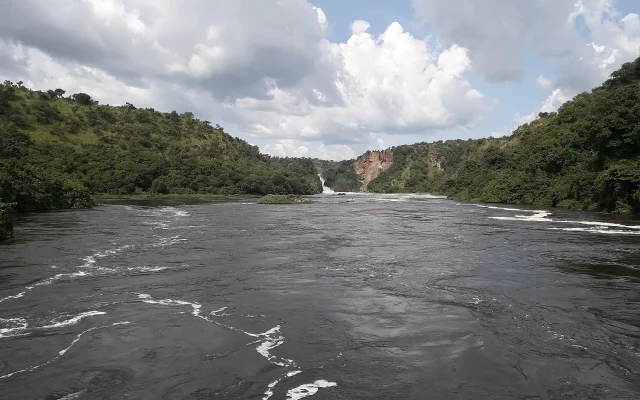
Nile cruises operate year-round. Delta shoebill opportunities may be more seasonal — ask operators when combining hippo boats with specialist birding. Northern heat is intense midday — sun protection essential on open launches.
Queen Elizabeth
Kazinga Channel boats run daily in normal conditions. Dry season concentrates elephants and buffalo on banks alongside hippos — classic photographic compositions.
Lake Mburo
Compact park suits short dry-season add-ons year-round. Morning lake mist in cooler months adds atmosphere.
Combining Hippo Viewing with Other Species
Align hippo boats with:
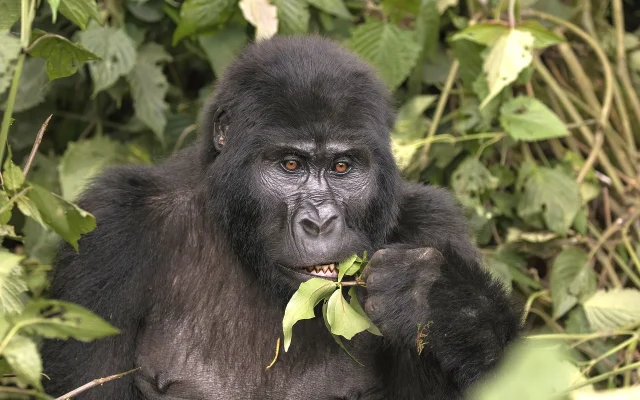
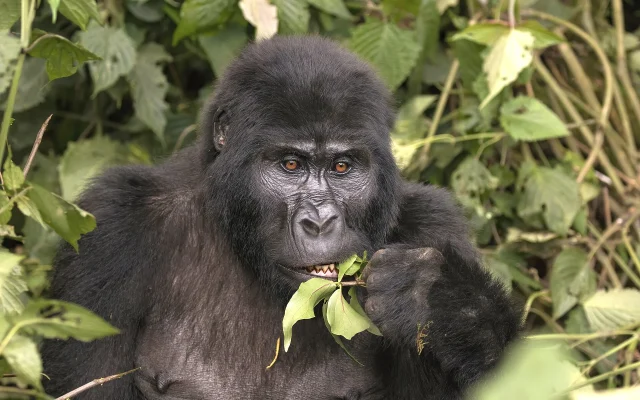
- Morning gorilla treks in Bwindi (southwest dry months)
- Afternoon Kasenyi game drives after Kazinga cruises
- Murchison morning game drives before Nile launches
Full Uganda safari packages sequence these automatically.
Photography and Light
Midday harsh light on water favours polarisers and exposure compensation for dark hippo skin. Golden hour grazing shots require dawn positioning near shorelines with guide approval — rare but memorable at Lake Mburo.
Conservation and Seasonal Stress
Prolonged drought stresses Vulnerable populations through habitat compression. Responsible visitors avoid pressuring animals during vulnerable periods — trusting guides when behaviour indicates stress.
Bottom Line
If you must choose one season, June–September and December–February offer the smoothest overall safari experience with outstanding hippo viewing. If flexibility and lush scenery matter more than road ease, wet months still deliver remarkable Kazinga and Nile encounters — proof that Uganda’s river giants welcome visitors in every month of the calendar.