The hippopotamus diet is one of nature’s intriguing paradoxes: an animal that appears built for aquatic life actually meets most of its nutritional needs on land. Hippos are overwhelmingly herbivorous grazers, feeding primarily on short grasses within reach of their river and lake habitats. On Uganda safaris, understanding this land–water rhythm explains why hippos vanish from shorelines at dusk and why well-worn grazing paths radiate from Murchison Falls and Queen Elizabeth waterways.
What Do Hippopotamuses Eat?
In the wild, common hippos (Hippopotamus amphibius) consume almost exclusively terrestrial grasses. Aquatic plants form a negligible part of natural intake despite their semi-aquatic lifestyle. Captive hippos may accept a wider variety of vegetation, but field studies consistently show grass dominates.
Typical food plants include:
- Short-cropped savannah grasses on floodplain margins
- Lake-shore turf maintained by repeated grazing
- Seasonally green regrowth after rains
- Occasional herbs and broad-leaved plants when grass is scarce
Nocturnal Grazing Strategy
Hippos spend daylight hours submerged to protect sensitive skin and conserve energy. Feeding begins at dusk and may continue through much of the night. By dawn, animals return to water — a pattern visible to guests on early morning drives near Lake Mburo park roads when hippos are still on land.
How Far Do Hippos Travel to Feed?
An adult hippo may walk 3 to 5 kilometres from water each night along established paths. Bulls, cows, and subadults use these corridors repeatedly, creating landscape features that rangers sometimes use to predict movement. Longer travel increases exposure to predators and human conflict on unprotected land.
How Much Do Hippos Eat?
A mature hippo can ingest roughly 40 kilograms of grass per night — about 1.5 to 2 percent of body weight for large adults. Because feeding windows are limited to darkness, hippos graze efficiently, cropping grass close to the ground with wide lips and powerful jaws.
Energy Conservation
Hippos evolved to minimise daytime activity. Large fat reserves sustain animals when grazing conditions deteriorate in drought. This sedentary aquatic lifestyle by day and intensive feeding by night is central to their behavioural ecology.
Grazing Lawns and Habitat Impact
Repeated cropping maintains short grazing lawns that may benefit other herbivores such as Uganda kob and waterbuck in Queen Elizabeth. Conversely, concentrated hippo pressure near overcrowded waterholes can degrade vegetation and accelerate erosion along paths — especially when dry-season crowding forces many animals to share limited shoreline.
Nutrient Cycling
Hippo dung deposited in water and on land redistributes nutrients across ecosystems. In rivers like the Victoria Nile, dung inputs fertilise aquatic food webs supporting fish and invertebrates. This nutrient bridge between terrestrial grazing and aquatic production is a key reason hippos are considered wetland engineers.
Feeding Behaviour on Land
Grazing is generally solitary despite hippos’ gregarious water behaviour. Animals spread across meadows, cropping grass with side-to-side head movements. Mothers may allow calves to graze nearby while remaining vigilant for threats.
Do Hippos Eat Crops?
Outside protected areas, hippos sometimes raid maize, rice, and other crops — a major driver of human–hippo conflict. Within Uganda’s national parks, feeding remains natural, but park boundaries are not always obvious to wildlife. Community buffer programmes linked to tourism aim to reduce retaliation killings.
Seasonal Diet Variation
During the wet seasons (roughly March–May and September–November in much of Uganda), grass growth accelerates and grazing conditions improve. Dry seasons compress feeding range as water retreats, increasing competition and visible aggression near remaining pools — a factor when choosing your best time to visit.
Water Intake and “Eating” in Rivers
Hippos do not eat fish or carrion in the wild despite myths to the contrary. They may swallow small amounts of water while resting, but hydration needs are modest relative to feeding volume. The river is a refuge, not a pantry.
Young Hippos and Diet Development
Calves nurse for months and begin experimenting with grass as they grow. They remain dependent on mothers for protection during early grazing forays. Pod structure in Kazinga Channel pods offers calves safety in numbers when family groups move to shore at night.
Comparison with Other Mega-Herbivores
Elephants browse woody vegetation across a wider height range; white rhinos specialise in different grass structures; hippos focus on short grass near water. This niche partitioning allows multiple large herbivores to coexist in Murchison and Queen Elizabeth without identical competition.
Diet and Safari Viewing
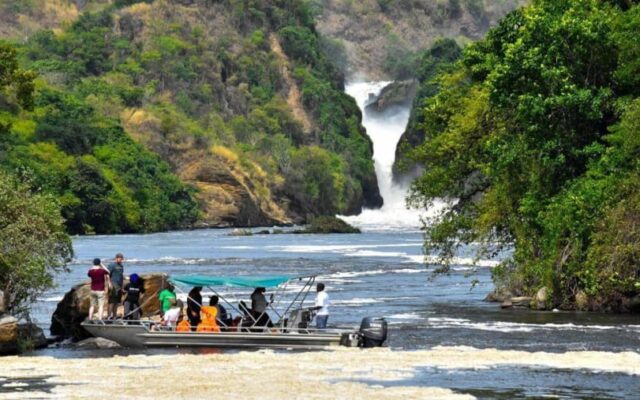
Daytime boat cruises show resting animals, not active feeding. For photographers seeking grazing shots, consider:
- Early morning drives near lake shores in Lake Mburo
- Sundowner viewpoints overlooking Kazinga margins (from safe distances)
- Night drives in parks where permitted and guided
Never approach grazing hippos on foot. They are faster and more aggressive on land than many travellers expect.
Conservation Links to Diet
Protecting grazing corridors outside park cores is as important as protecting water bodies. When hippo paths cross farmland, conflict rises. Sustainable conservation integrates community compensation, ranger patrols, and tourism revenue — themes woven through responsible hippo safari packages.
Planning a Diet-Aware Itinerary
Pair midday hippo boat cruises with afternoon savannah game drives to experience the full daily rhythm. A classic Uganda wildlife safari through Murchison or Queen Elizabeth naturally balances aquatic and terrestrial wildlife moments — with hippos anchoring the river chapters of the journey.