Defassa waterbuck conservation carries more urgency than many travellers realise. While the combined waterbuck species is often described casually as secure, the defassa form alone is Near Threatened with a declining population trend — a contrast to the Least Concern common waterbuck east of the Rift. Uganda's savannah parks remain strongholds, but poaching, habitat fragmentation, and human pressure along rivers continue to erode range elsewhere in Africa. Learn how parks help on our habitat and where to see defassa waterbuck pages.
IUCN Status — Defassa vs Common
Taxonomic lumping sometimes obscures conservation reality. The IUCN assesses:
- Common waterbuck (K. e. ellipsiprymnus group): Least Concern
- Defassa waterbuck (K. defassa / defassa group): Near Threatened, population decreasing
Global defassa numbers are estimated at roughly 60,000 to 80,000 individuals — with more than half in protected areas when well-managed parks across West, Central, and East Africa are counted together.
Population Trends in Uganda
Uganda hosts important defassa populations in Murchison Falls, Queen Elizabeth, Kidepo Valley, and Lake Mburo national parks. Historical declines linked to civil unrest and heavy poaching have stabilised or recovered in several sectors under Uganda Wildlife Authority management, though localised decreases mirror continental patterns where settlement and illegal hunting intensify.
Major Threats
Habitat Loss and Fragmentation
Riverine agriculture, livestock corridors, and infrastructure cut waterfront habitat into isolated fragments. Sedentary waterbuck do not easily cross human-dominated landscapes between remnants.
Poaching
Illegal hunting for meat and trophies removes animals from both protected areas and community lands. Snares intended for other species sometimes kill waterbuck along forest margins.
Human–Wildlife Conflict
While less destructive than elephant or buffalo, waterbuck compete for riverside grazing where pastoralism expands. Retaliatory killing occurs in some buffer zones.
Disease and Environmental Contamination
Research in other East African parks has linked heavy-metal contamination in wetlands to antelope health declines. Water-dependent species that drink and graze along polluted inflows face elevated risk where industrial or mining runoff reaches savannah systems.
Protected Areas as Strongholds
Continental analysis shows that a majority of defassa waterbuck occur inside national parks and equivalent reserves — including Murchison Falls, Queen Elizabeth, Serengeti ecosystem margins, Kafue, and West African parks such as Niokolo-Koba and Comoe. Uganda's contribution is disproportionately important for East African defassa genetics because the country maintains contiguous savannah blocks with active ranger patrols.
Conservation Mechanisms
- Anti-poaching patrols and intelligence networks
- Community revenue sharing from park fees and tourism
- Habitat management including fire regimes along grasslands
- Wildlife corridors linking waterfront habitat (where feasible)
- Research monitoring of herd health and distribution
- Regulated tourism that funds protection
Role of Tourism
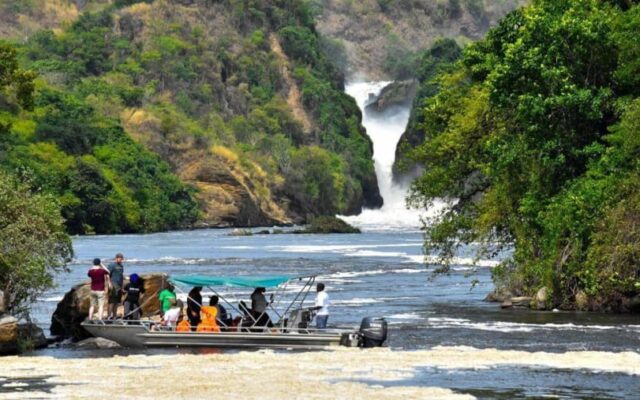
Every licensed game drive and boat safari in Uganda contributes to a tourism economy that funds rangers, vehicles, and community programmes. Choosing reputable operators and paying official park fees directly supports the waterfront ecosystems defassa waterbuck require. Diversifying itineraries beyond gorilla trekking alone helps sustain savannah parks economically.
Taxonomy and Conservation Policy
Whether managed as Kobus defassa or as a subspecies of K. ellipsiprymnus, conservation planning must treat defassa populations separately from common waterbuck trends. Interbreeding zones in Kenya and Tanzania complicate mapping but do not reduce the need to protect Uganda's clearly defassa-dominated parks.
What Travellers Can Do
- Book through licensed Uganda tour operators
- Follow park rules on tracks and viewing distance
- Avoid purchasing illegal wildlife products
- Include savannah parks in itineraries — not only primate forests
- Share accurate species information (defassa vs common) to improve public awareness
Outlook
With sustained protection, Uganda's defassa waterbuck can remain a dependable safari highlight while serving as a reservoir for a Near Threatened taxon. Without continued investment in riverine habitat and anti-poaching, continental declines will accelerate — making each protected Nile and Kazinga margin more valuable than casual checklist status suggests. Research partnerships that monitor herd demographics in Queen Elizabeth and Murchison continue to inform Uganda Wildlife Authority management plans for waterfront sectors shared with hippo, buffalo, and tourism infrastructure.
Plan conservation-minded travel via defassa waterbuck safaris and Uganda safari packages.