Best time to see defassa waterbuck — expert Uganda safari guide from local planners who know permits, parks, and realistic routing.
Defassa waterbuck can be seen year-round in Uganda's savannah parks, but season, time of day, and itinerary shape matter for photography, predator context, and overall comfort. This guide breaks down dry and wet seasons, monthly patterns, and planning tips — with links to where to see defassa waterbuck, habitat, and safari experiences.
Year-Round Viewing
Unlike seasonally migratory species, defassa waterbuck maintain waterfront home ranges throughout the calendar. Any month can deliver sightings on Nile, Kazinga, or Lake Mburo circuits if your route includes wetland margins. The question is not whether you will see waterbuck, but how light, grass colour, crowd levels, and predator activity will frame the experience.
Dry Seasons — Peak Predictability
Uganda's primary dry windows — broadly June to September and December to February — generally offer:
- Concentrated herds along rivers and channels as upland grass cures
- Easier vehicle access on firmer tracks
- Clearer skies for dawn horn photography
- Higher predator activity near water — lions and leopards patrol predictable crossings
Murchison's north bank and Queen Elizabeth's channel margins are especially productive in late dry periods when waterbuck compete for the last green bank strips.
Wet Seasons — Lush Scenery and Dispersal
Long rains (roughly March to May) and shorter rains (October to November) bring:
- Greener backdrops and dramatic skies
- Dispersal across floodplain grasses away from heavily trampled banks
- Calf sightings as births often align with forage peaks
- Fewer tourists on some circuits — quieter drives
Sightings remain common, but animals may spread wider — making an experienced guide's knowledge of secondary drainage lines valuable.
Time of Day
Dawn
The single best window. Waterbuck feed actively on bank grasses in cool light; predators still hunt before heat builds. Schedule 6:00–9:00 departures in most parks.
Midday
Animals rest in shade or tall riverside cover — lower activity, harsher light for photography.
Late Afternoon
Second feeding peak; excellent combined with afternoon Kazinga or Nile boat trips when herds approach water.
Park-Specific Season Notes
Murchison Falls
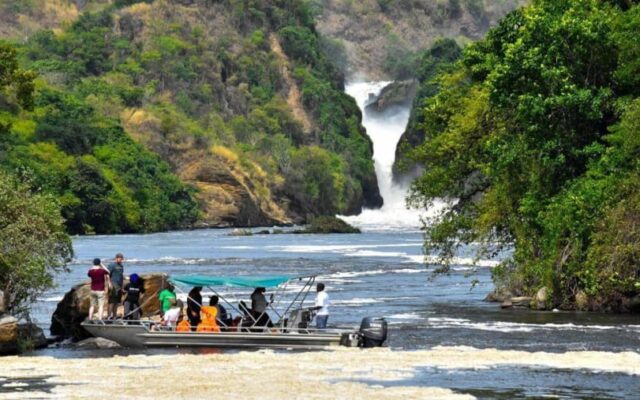
Nile delta flooding in wet months expands habitat; dry months concentrate animals for repeat Buligi loop sightings. Heat can be intense midday June–August — plan dawn drives.
Queen Elizabeth
Channel levels and crater-lake margins shift with rainfall. Dry-season afternoon boats remain a staple; wet-season green hillsides suit landscape photographers.
Kidepo Valley
More arid overall — waterbuck cling to Narus Valley water persistently. Dry season simplifies locating herds; wet season brings brief lush growth in the valley floor.
Lake Mburo
Compact and accessible year-round; excellent add-on any month between primate parks. Short rains rarely disrupt half-day drives.
Photography Calendar
- Best light: Dry-season dawn and dusk
- Best greenery: April–May and October–November
- Best predator context: Late dry season near water
- Best horn detail: Clear dry mornings when bulls stand on open banks
Combining With Broader Uganda Travel
Gorilla trekking in Bwindi is year-round; pairing it with Queen Elizabeth or Lake Mburo savannah days works in any month. If road conditions matter, favour drier windows for long drives to Kidepo or Murchison from Kampala.
Crowds and Permits
Waterbuck viewing does not require separate permits — only park entry and vehicle fees included in safari packages. Peak international tourism (July–August, December) may mean busier channel boats but does not limit waterbuck access on drives.
Monthly Quick Reference
| Period | Conditions | Waterbuck viewing |
|---|---|---|
| Jan–Feb | Short dry | Excellent |
| Mar–May | Long rains | Good; dispersed |
| Jun–Aug | Main dry | Excellent; concentrated |
| Sep–Oct | Transition | Very good |
| Nov–Dec | Short rains / dry start | Good to excellent |
Regional Variation Within Uganda
Northern Murchison can feel hotter and dustier in peak dry months than Queen Elizabeth's higher, greener crater-lake setting — both hold defassa, but comfort and landscape character differ. Travellers sensitive to heat may prefer June–August Queen Elizabeth routing with afternoon channel boats; those wanting maximum Nile drama accept Murchison midday warmth in exchange for delta and falls combinations.
Plan Your Dates
Match priorities — predators, photography, green scenery, or fewest crowds — then route through Murchison Falls, Queen Elizabeth, Kidepo, or Lake Mburo. Browse defassa waterbuck safaris and Uganda safari packages for dated itineraries.