Introduction: Uganda Self-Drive Safaris
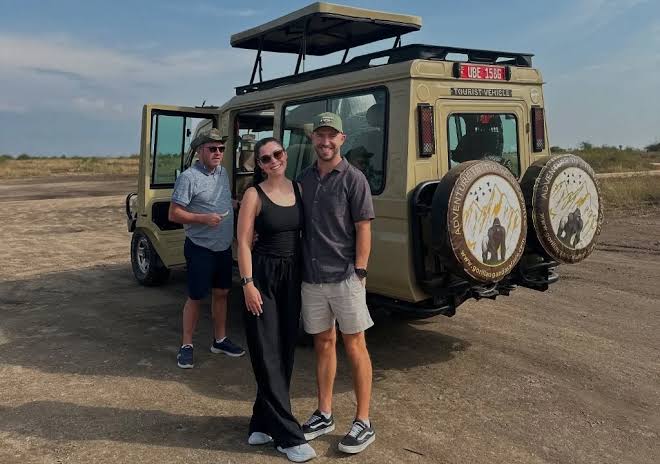
Uganda Self-Drive Safaris offer adventurous travelers the freedom to explore Uganda’s national parks, landscapes, and cultural attractions at their own pace without a dedicated driver-guide. This style of safari is ideal for experienced drivers who enjoy independence, flexibility, and off-the-beaten-path exploration.
Uganda’s road network between major towns is generally good, but driving inside national parks requires careful planning and a suitable 4×4 vehicle.
What Are Uganda Self-Drive Safaris?
A self-drive safari allows visitors to rent a vehicle and travel independently across Uganda, managing their own itinerary, routes, and timing.
These safaris typically include:
- 4×4 safari vehicle rental.
- Self-planned itineraries.
- Independent park visits and accommodation bookings.
- Optional GPS navigation and maps.
Why Choose Uganda Self-Drive Safaris?
- Complete travel freedom and flexibility.
- Potential cost savings compared to guided tours.
- Privacy and independent exploration.
- Opportunity for off-the-beaten-path travel experiences.
- Ideal for experienced African travelers.
Best Routes for Self-Drive Safaris in Uganda
Kampala – Queen Elizabeth National Park
- Popular route with scenic countryside views.
- Good road conditions and accessible lodges.
Kampala – Murchison Falls National Park
- Well-traveled route with ferry crossing at Nile River.
- Excellent wildlife viewing opportunities.
Kampala – Lake Mburo National Park
- Short drive ideal for beginners.
- Great for quick weekend safaris.
Kampala – Bwindi Impenetrable Forest
- Challenging mountainous drive.
- Requires experienced driving skills.
Vehicle Options for Self-Drive Safaris
- 4×4 Land Cruiser (most recommended).
- Safari vans for budget travelers.
- Roof-top tent vehicles for camping safaris.
- Luxury 4×4 SUVs for comfort travel.
Cost of Uganda Self-Drive Safaris
| Item | Cost Range |
|---|---|
| 4×4 Vehicle Rental (per day) | $80 – $250 |
| Fuel Costs | $50 – $150 per day |
| Park Entry Fees | $40 – $80 per person |
| Accommodation | $30 – $300+ per night |
Challenges of Self-Drive Safaris
- Navigation difficulties in remote areas.
- Wildlife driving restrictions in parks.
- Road conditions in rainy seasons.
- Lack of immediate emergency support.
Safety Tips for Self-Drive Safaris
- Use a reliable 4×4 vehicle.
- Avoid night driving in rural areas.
- Carry physical maps and GPS.
- Inform lodges of your arrival time.
- Follow park rules strictly.
Best Time for Self-Drive Safaris
- June to August (dry season, best road conditions).
- December to February (easy wildlife access).
Wildlife You Can See on Self-Drive Safaris
- Lions and leopards (in designated areas).
- Elephants and buffalo.
- Giraffes and zebras.
- Hippos and crocodiles.
- Antelopes and bird species.
Who Should Choose Self-Drive Safaris?
- Experienced Africa travelers.
- Adventure seekers.
- Photographers needing flexible schedules.
- Budget-conscious independent travelers.
Frequently Asked Questions
Is Uganda good for self-drive safaris?
Yes, but it is best for experienced drivers familiar with African road conditions.
Do I need a 4×4 vehicle?
Yes, a 4×4 is highly recommended for national parks.
Are self-drive safaris safe in Uganda?
Yes, if proper precautions and planning are followed.
Can I enter national parks alone?
Yes, but you must follow park regulations and guidelines.
Conclusion
Uganda Self-Drive Safaris offer freedom, flexibility, and adventure for experienced travelers who want to explore Uganda independently. With proper planning and a reliable vehicle, self-driving can be a rewarding way to discover Uganda’s wildlife and landscapes.
From scenic routes to national parks, Uganda offers incredible self-drive safari opportunities for adventurous visitors.
Rental Vehicle Requirements
Choose 4×4 Land Cruiser or RAV4 class with spare tyre, jack, and contract permitting national park use. COMESA yellow card insurance, local driving permit (USD 25–40 from URA), and passport copies are standard. Inspect tyres and brakes before leaving Kampala.
Navigation and Road Rules
Drive left, expect potholes, boda-bodas, and police speed checks. Offline maps (Maps.me, Google offline) help where signal drops. Avoid night driving; fuel up in towns. Park rules prohibit off-road driving—self-drivers still hire UWA ranger guides for some activities.
Costs and Tradeoffs
Daily rental USD 80–150 plus fuel USD 40–80 per day can beat private guided safaris for two adventurous travelers who accept navigation stress. Guided trips add wildlife interpretation and breakdown support—compare road trips and safari cost before deciding.
Breakdown and Support
Purchase operator roadside assistance or satellite phone hire for Kidepo-bound routes. Share daily route plan with lodge hosts who can dispatch help if you miss check-in.
Park Self-Drive Rules
UWA allows private vehicles in many parks with ranger guide mandatory for some activities—gorilla trekking always on foot with assigned teams, not DIY. Overnight in designated camps only; wild camping is prohibited.
Camping Equipment
Rental rooftents and fridge units add daily fees but beat hotel costs for adventurous couples—confirm park campsite bookings through UWA alongside vehicle hire contract.
Download Uganda police traffic fine payment info—some roadside stops are legitimate; keep rental agency number on dashboard.
Planning Your Next Steps
Uganda rewards travelers who book permits early, pack for equatorial weather swings, and choose realistic drive times between parks. Cross-check this guide with our Uganda travel guide, safari planning workflow, and travel tips before you confirm flights. Gorilla and chimp dates should anchor your calendar; everything else—lodges, vehicles, cultural stops—fits around those fixed permit mornings.
Licensed operators provide itemised quotes separating park fees, permits, and lodging so you compare offers fairly. Shoulder seasons often deliver excellent wildlife with fewer vehicles on savannah tracks and more permit flexibility in the forest. Travel insurance, yellow fever documentation, and a working local SIM remain essentials regardless of month or budget tier.
 Read
Read