Related cultural guides
- Uganda Cultural Tours: Complete Guide to Authentic Cultural Experiences in the Pearl of Africa
- Uganda Traditional Dance Tours: Experience the Rhythms, Music & Cultural Performances of Uganda
- Uganda Music and Dance Experiences: Vibrant Cultural Performances and Traditional Heritage
- Uganda Food Tours: Discover the Culinary Heritage of the Pearl of Africa
- Uganda Culinary Tours: Discover the Authentic Flavors of the Pearl of Africa
- All Uganda cultural guides →
Introduction: Uganda Handicraft Tours
Uganda handicraft tours connect travelers with bark cloth, basket weaving, beadwork, wood carving, and textile traditions that predate mass tourism. Unlike airport souvenir stalls, structured craft tours visit cooperatives, royal workshops, and village studios where artisans keep techniques alive—and where purchase income stays local.
This guide maps the best regions for craft travel, what to expect on a typical day, how to buy ethically, and how to fold handicraft stops into a wider cultural safari.
Signature Crafts by Region
Buganda and Central Uganda
Bark cloth (olubugo), UNESCO-recognised, is still beaten from fig trees in central districts. Kampala markets (Owino, craft villages on Buganda Road) aggregate goods from nationwide makers—good for overview shopping, less for studio depth.
Southwestern Uganda
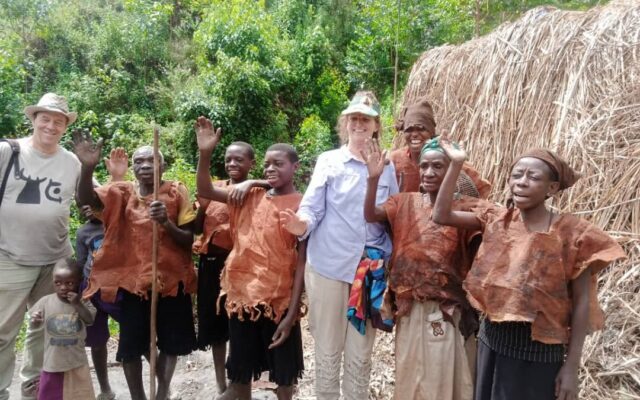
Near Bwindi and Lake Bunyonyi, Batwa and Bakiga communities sell woven items, wood carvings, and dance-adjacent craft demos. Buy from authorised community associations linked to your lodge or guide.
Eastern Uganda
Busoga and Teso basketry and pottery appear on routes toward Jinja and Sipi. Ik and Karamojong beadwork features bold colour in the northeast—often combined with cultural manyatta visits (remote logistics apply).
Northern Uganda
Post-conflict recovery areas promote acholi and langi craft cooperatives; visits support livelihood programmes when arranged through reputable NGOs or tour partners.
Typical Handicraft Tour Day
A full craft day might include:
- morning studio visit with demonstration (1–2 hours)
- cooperative lunch or coffee
- optional village walk and school stop (with permission)
- afternoon market time with guide translating prices and origins
Half-day Kampala craft circuits suit layovers before Entebbe flights. Multi-day craft themes pair with heritage tours and crater-lake scenery around Fort Portal.
Costs and Booking
Guided craft days in Kampala: USD 60–120 per person in a small group, including transport and interpreter. Remote cooperative visits add vehicle hire (USD 180–250/day). Workshop fees of USD 10–30 support materials when you join a make-your-own session.
Craft purchases vary—set a budget, carry mixed USD and mobile money where guides assist. Packing fragile items requires soft bags in safari vehicles; see baggage rules for airline weight limits homeward.
Ethical Buying
Ask who receives payment in multi-stop shops. Prefer cooperatives with posted price lists. Photograph artisans only with consent. Avoid buying wildlife products (ivory, feathers of protected species, questionable skins)—Uganda enforces CITES rules at airports.
Pair shopping with learning on cooking experiences and village tours for fuller cultural context.
Combining Crafts with Safari
Most travelers add 1–2 craft days to gorilla or savannah routes rather than crafting-only trips. Logical inserts: Kampala on arrival, Igongo en route to Queen Elizabeth, Bigodi near Kibale, or Bunyonyi after trekking.
Request a route that respects drive times—craft stops should not cost a full wildlife day on tight calendars. Use safari planning to sequence stops without exhaustion.
Shipping and Customs
Large wood carvings may exceed airline baggage limits—measure before buying. Some cooperatives ship DHL at buyer expense; confirm customs rules for plant-fibre items in your home country. Bark cloth folds flat and travels well as a lightweight, meaningful gift.
Workshop Experiences
Half-day basket or bead workshops (USD 25–60 including materials) suit creative travelers and teens. Pair workshops with food tours in Kampala for a non-wildlife urban day before flying out of Entebbe.
Authenticity and Mass-Produced Souvenirs
Airport gift shops often resell factory items made outside Uganda. Ask makers about technique—beaten bark cloth, coil baskets, and carved stools each carry regional signatures. Authenticity supports pride in craft; generic imports undermine the reason travelers visit studios in the first place.
Timing Craft Days on Safari Routes
Schedule Kampala craft time on arrival jet lag when energy is low, not on the morning before a gorilla trek. Hands tired from carving demos still need steady grip on forest trails—sequence accordingly.
Wholesale vs Retail Pricing
Some cooperatives offer wholesale rates for bulk lodge orders; retail travelers pay shelf prices in studios. Do not expect market-stall discounts at fixed-price community centres—those prices already return margin to makers.
Learn one craft term in Luganda or Rukiga—greeting and thanks open warmer studio conversations than silent shopping. Guides help translate technical vocabulary when you watch bark cloth beating or loom weaving.
Export and Customs Declaration
Declare handmade goods on departure forms when required. Most small craft quantities pass freely for personal use; commercial quantities need export paperwork. Keep receipts from cooperatives in case customs officers ask about value.
Photograph makers at work with permission—process shots often mean more than shelf displays when you share the story back home.
Wrap fragile items in clothing inside hard suitcases; craft markets sell little protective packaging suited for international baggage handlers.
Support makers who sign their work—signed pieces trace provenance and discourage anonymous mass imports posing as handmade.
Ask guides which cooperatives welcome short visits without prior booking—some studios prefer appointments to keep makers on production schedules.
Allow extra luggage weight for craft lovers.

 Read