Related cultural guides
- Uganda Cultural Tours: Complete Guide to Authentic Cultural Experiences in the Pearl of Africa
- Uganda Traditional Dance Tours: Experience the Rhythms, Music & Cultural Performances of Uganda
- Uganda Music and Dance Experiences: Vibrant Cultural Performances and Traditional Heritage
- Uganda Food Tours: Discover the Culinary Heritage of the Pearl of Africa
- Uganda Traditional Cooking Experiences: Discover Authentic Ugandan Food Culture
- All Uganda cultural guides →
Uganda Culinary Tours offer a rich and flavorful journey into the heart of Uganda’s food culture. These experiences go beyond dining in restaurants, allowing travelers to explore traditional cooking methods, local ingredients, bustling food markets, and authentic Ugandan dishes prepared in homes and community kitchens.
Uganda’s cuisine is deeply rooted in its agricultural heritage and cultural diversity. From the staple matoke (steamed green bananas) in the central and western regions to the famous Rolex (rolled eggs and chapati) street food in Kampala, every dish tells a story of tradition, community, and creativity.
Whether combined with wildlife safaris, cultural tours, or city explorations, Uganda culinary tours provide travelers with an immersive “taste of Uganda” experience that connects food, people, and culture.
What Are Uganda Culinary Tours?
Uganda Culinary Tours are guided food-focused experiences that introduce visitors to local cuisine, cooking traditions, and food culture. These tours often include market visits, cooking demonstrations, home dining experiences, and street food tastings.
Typical experiences include:
- Visiting local food markets.
- Learning traditional cooking methods.
- Sampling regional dishes.
- Street food tasting tours.
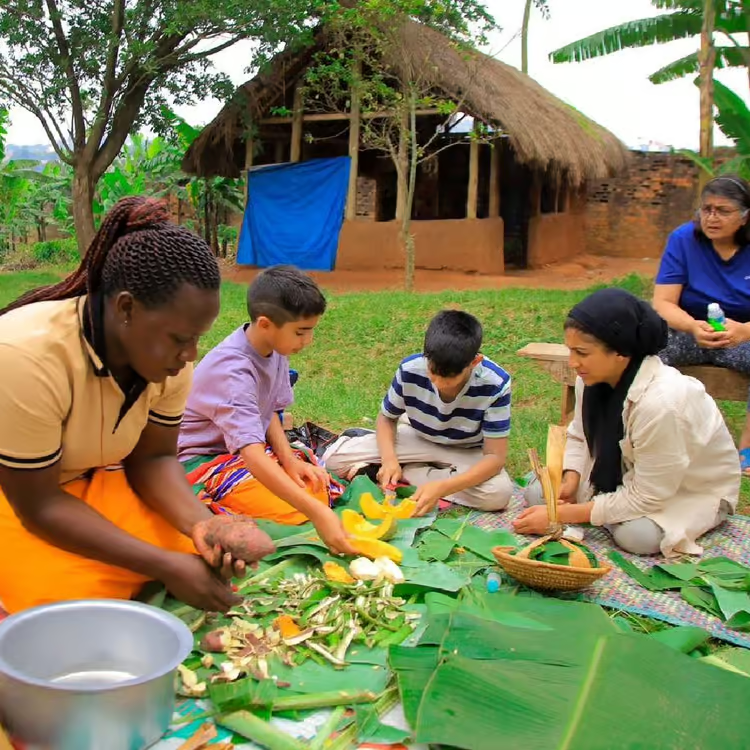
- Cooking with local families.
- Exploring indigenous ingredients.
Culinary tourism provides a direct connection between travelers and Uganda’s everyday life.
Why Choose Uganda Culinary Tours?
Food is one of the most powerful ways to understand a culture. Uganda culinary tours offer:
- Authentic cultural immersion.
- Hands-on cooking experiences.
- Interaction with local communities.
- Exploration of traditional food systems.
- Unique street food experiences.
- Insight into Uganda’s agricultural heritage.
These tours are ideal for travelers who want to experience Uganda beyond wildlife and scenery.
Traditional Ugandan Foods You Must Try
Matoke
Matoke is one of Uganda’s most important staple foods, especially in central and western regions.
It is prepared by:
- Steaming green bananas.
- Mashing them into a soft texture.
- Serving with groundnut or meat sauce.
Rolex
The famous Ugandan street food, Rolex, is made from:
- Egg omelette.
- Chapati (flatbread).
- Vegetables and spices.
It is one of the most popular fast foods in Uganda.
Luwombo
Luwombo is a traditional Buganda dish cooked in banana leaves.
It may include:
- Chicken.
- Beef.
- Peanut sauce.
- Vegetables.
This dish is often prepared during special ceremonies.
Posho (Maize Meal)
Posho is a common staple served across Uganda.
It is made from:
- Maize flour cooked into a thick porridge-like dough.
It is often eaten with beans, meat, or vegetables.
Groundnut Sauce
A key ingredient in Ugandan cuisine, groundnut (peanut) sauce is used with:
- Matoke.
- Rice.
- Sweet potatoes.
Nyama Choma
Nyama Choma refers to grilled meat, commonly goat or beef.
It is popular in social gatherings and roadside eateries.
Best Places for Uganda Culinary Tours
Kampala Food Tours
Kampala offers the best introduction to Ugandan cuisine.
Experiences include:
- Local street food tasting.
- Market visits (Nakasero Market).
- Traditional restaurants.
- Modern fusion cuisine.
Jinja Culinary Experiences
Jinja combines food tours with cultural and river experiences.
Highlights include:
- Fresh Nile fish tasting.
- Local coffee experiences.
- Village cooking sessions.
Buganda Region Food Experiences
The central region offers rich traditional cuisine.
Visitors experience:
- Matoke preparation.
- Banana-based dishes.
- Cultural cooking demonstrations.
Western Uganda Cuisine
Western Uganda is known for hearty meals.
Common foods include:
- Millet bread.
- Groundnut stews.
- Fresh dairy products.
Uganda Food Markets Experience
Food markets are an essential part of culinary tours.
Popular markets include:
- Nakasero Market (Kampala).
- Owino Market.
- Jinja Central Market.
Visitors can explore:
- Fresh fruits and vegetables.
- Spices and herbs.
- Street snacks.
- Local cooking ingredients.
Cooking Classes in Uganda
Culinary tours often include hands-on cooking lessons.
Participants learn how to prepare:
- Matoke dishes.
- Groundnut sauce.
- Traditional stews.
- Ugandan street food.
Cooking classes are often hosted in local homes or cultural centers.
Street Food Tours in Uganda
Uganda’s street food scene is vibrant and diverse.
Popular street foods include:
- Rolex.
- Roasted maize.
- Samosas.
- Roasted meat skewers.
- Fried plantains.
Street food tours offer a safe and guided way to explore local flavors.
Regional Cuisine Diversity
Uganda’s cuisine varies by region.
Central Uganda
- Matoke-based meals.
- Luwombo dishes.
Western Uganda
- Dairy-rich diets.
- Millet and sorghum foods.
Northern Uganda
- Sorghum-based meals.
- Groundnut stews.
Eastern Uganda
- Cassava-based dishes.
- Fresh vegetable meals.
Food and Cultural Connection
Ugandan food is closely linked to cultural identity.
Food plays a role in:
- Family gatherings.
- Traditional ceremonies.
- Community celebrations.
- Hospitality customs.
Sharing food is a sign of respect and friendship in Ugandan culture.
Best Time for Culinary Tours in Uganda
Culinary tours are available year-round.
Best travel seasons include:
- June to August.
- December to February.
These seasons align with peak tourism and outdoor activity periods.
Uganda Culinary Tour Costs
| Tour Type | Price Range |
|---|---|
| Street Food Tour | US$20 – US$50 |
| Market + Cooking Class | US$50 – US$120 |
| Full-Day Culinary Experience | US$100 – US$200 |
| Luxury Private Food Tour | US$150 – US$300 |
What to Expect on a Culinary Tour
Visitors can expect a highly interactive experience.
Activities include:
- Food tasting sessions.
- Cooking demonstrations.
- Market exploration.
- Cultural storytelling.
- Community dining experiences.
What to Bring for Food Tours
- Comfortable clothing.
- Reusable water bottle.
- Camera for food photography.
- Appetite for new experiences.
- Cash for market purchases.
Combining Culinary Tours with Safaris
Uganda culinary tours can be combined with:
- Kampala city tours.
- Jinja adventure safaris.
- Wildlife safaris in Queen Elizabeth National Park.
- Gorilla trekking in Bwindi.
- Cultural village tours.
Frequently Asked Questions About Uganda Culinary Tours
What is included in a culinary tour?
Food tasting, cooking classes, market visits, and cultural dining experiences.
Is Ugandan food spicy?
Some dishes are mildly spicy, but most can be adjusted to taste.
Can vegetarians enjoy Ugandan cuisine?
Yes. Many traditional dishes are plant-based.
Are food tours safe?
Yes. Guided tours ensure safe and hygienic food experiences.
Conclusion
Uganda Culinary Tours provide an unforgettable journey into the heart of Uganda’s food culture. From bustling street food stalls in Kampala to traditional cooking experiences in rural villages, travelers discover the flavors, traditions, and stories that define Ugandan cuisine.
These tours offer more than food tasting—they create cultural connections, support local communities, and provide a deeper understanding of Uganda’s identity through its cuisine.
 Read
Read