

Related pricing guides
- Uganda Safari Cost: Complete Guide to Planning Your African Safari Budget
- How Much Does a Uganda Safari Cost
- Budget Uganda Safari Cost
- Midrange Uganda Safari Cost: Complete Guide to Planning an Affordable and Comfortable Uganda Safari
- Luxury Uganda Safari Cost: Complete Guide to Planning a High-End Uganda Safari
- All safari cost guides →
Understanding the Self Drive Uganda Safari Cost is essential for travelers planning an independent adventure through the Pearl of Africa. Uganda has become one of Africa’s most attractive destinations for self-drive safaris thanks to its relatively compact size, improving road network, diverse attractions, friendly people, and extraordinary combination of wildlife, primates, mountains, lakes, forests, and cultural experiences.
A self-drive safari gives travelers the freedom to explore Uganda at their own pace, choose their own routes, spend more time in destinations they enjoy, and create personalized itineraries without the structure of a guided tour. Whether you are planning to visit Bwindi Impenetrable National Park for gorilla trekking, explore the savannahs of Queen Elizabeth National Park, discover the mighty Nile in Murchison Falls National Park, track chimpanzees in Kibale Forest, or visit the remote wilderness of Kidepo Valley National Park, a self-drive safari can be an exciting and rewarding way to experience Uganda.
However, many travelers underestimate the actual costs involved. While self-drive safaris can sometimes reduce expenses compared to fully guided private tours, they still require careful budgeting for vehicle rental, fuel, accommodation, park fees, permits, insurance, activities, meals, and potential unforeseen expenses.
This detailed guide explains all the major components of a self-drive safari budget, helping you estimate realistic costs and determine whether a self-drive adventure is the right choice for your Uganda safari.
What Is a Self-Drive Safari?
A self-drive safari involves renting a vehicle and independently driving through Uganda’s tourism destinations without a dedicated driver-guide.
Travelers are responsible for:
- Driving.
- Navigation.
- Trip planning.
- Accommodation management.
- Activity scheduling.
- Fuel purchases.
Many visitors choose self-drive safaris because they offer flexibility, independence, and a sense of adventure.
However, successful self-drive travel requires preparation, confidence, and a good understanding of local conditions.
Advantages of a Self-Drive Safari in Uganda
Self-drive travel offers several benefits.
- Flexible schedules.
- Independent exploration.
- Privacy.
- Potential cost savings.
- Personalized itineraries.
- Freedom to travel at your own pace.
For experienced travelers who enjoy road trips, Uganda can be a particularly rewarding self-drive destination.
Many visitors appreciate the ability to stop frequently for photography, cultural encounters, and scenic viewpoints.
Main Factors Affecting Self Drive Uganda Safari Cost
The overall cost of a self-drive safari depends on several key factors.
- Vehicle type.
- Trip duration.
- Distance traveled.
- Accommodation category.
- National park fees.
- Permit costs.
- Fuel prices.
- Insurance coverage.
Understanding these factors helps travelers build realistic budgets and avoid unexpected expenses.
Vehicle Rental Costs
Vehicle rental is usually the largest expense on a self-drive safari.
Most travelers rent 4×4 vehicles because many safari routes include rough roads, national park tracks, and remote destinations.
Small 4×4 Vehicles
- USD 40–80 per day.
Examples include:
- Toyota RAV4.
- Compact SUVs.
Suitable for budget travelers and shorter routes.
Standard Safari Vehicles
- USD 80–150 per day.
Examples include:
- Toyota Land Cruiser Prado.
- Toyota Fortuner.
Popular choices for wildlife safaris and gorilla trekking routes.
Extended Safari Land Cruisers
- USD 150–250+ per day.
These vehicles offer greater comfort, luggage capacity, and off-road capability.
They are often preferred for longer safari circuits.
Fuel Costs
Fuel represents a significant portion of self-drive safari expenses.
Typical safari routes involve substantial distances:
- Kampala to Bwindi: approximately 500 km.
- Kampala to Murchison Falls: approximately 300 km.
- Kampala to Kidepo: approximately 700 km.
Fuel costs depend on:
- Vehicle efficiency.
- Distance traveled.
- Current fuel prices.
Longer itineraries naturally result in higher fuel expenses.
National Park Entrance Fees
All visitors entering Uganda’s national parks must pay conservation fees.
Park fees support:
- Wildlife conservation.
- Park management.
- Ranger services.
- Community projects.
Popular parks requiring entrance fees include:
- Queen Elizabeth National Park.
- Murchison Falls National Park.
- Lake Mburo National Park.
- Kidepo Valley National Park.
- Bwindi Impenetrable National Park.
Park fees should always be included when calculating safari budgets.
Gorilla Trekking Permit Costs
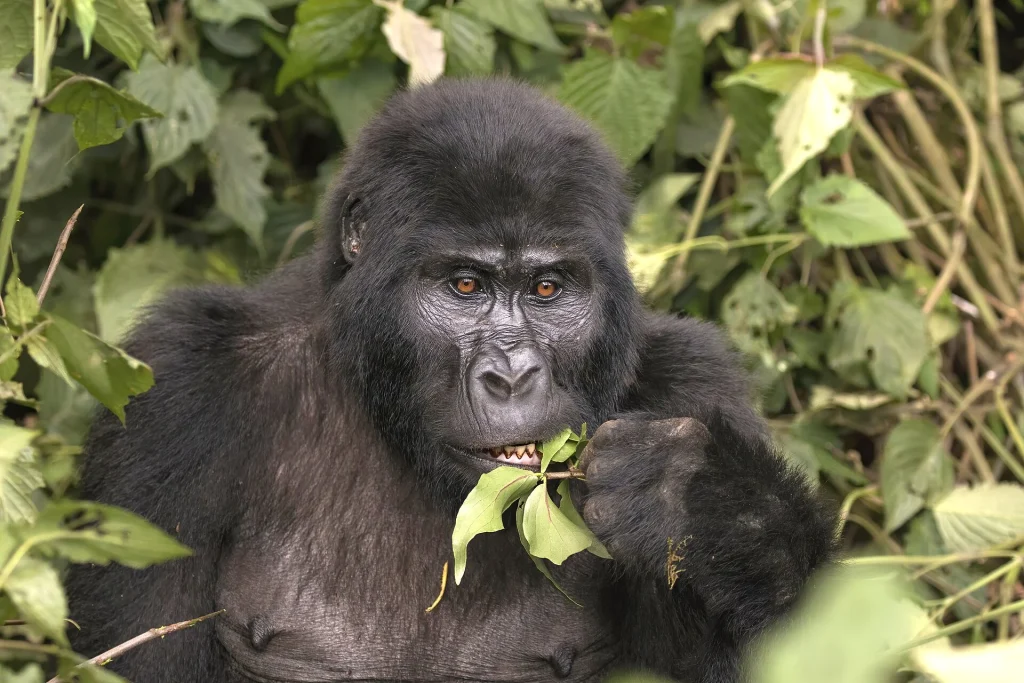
Many self-drive visitors travel to Uganda specifically for gorilla trekking.
The gorilla permit is typically the single most expensive activity cost.
Permit fees contribute directly to:
- Gorilla conservation.
- Community development.
- Park protection.
Permits must be secured in advance because availability is limited.
Travelers should verify current permit prices before making bookings.
Chimpanzee Tracking Costs
Chimpanzee tracking is another popular addition to self-drive itineraries.
Popular locations include:
Permit fees vary according to location and activity type.
These permits should be reserved in advance, especially during peak seasons.
Accommodation Costs
Accommodation expenses vary considerably according to travel style.
Budget Accommodation
- USD 20–80 per person per night.
Examples include:
- Guesthouses.
- Hostels.
- Budget lodges.
Midrange Accommodation
- USD 100–250 per person per night.
Popular among most safari travelers.
Luxury Accommodation
- USD 300–1,500+ per person per night.
Luxury lodges provide premium comfort and exceptional safari experiences.
Meals and Daily Expenses
Food costs vary according to accommodation choices and dining preferences.
Estimated daily meal budgets include:
- Budget: USD 10–25 per day.
- Midrange: USD 25–60 per day.
- Luxury: USD 60–150+ per day.
Many lodges include breakfast, while some offer full-board meal plans.
Travelers should confirm meal inclusions when booking accommodation.
Vehicle Insurance Costs
Insurance is an important consideration for self-drive travelers.
Typical coverage may include:
- Third-party liability.
- Collision damage.
- Theft protection.
- Roadside assistance.
Additional insurance options may increase rental costs but provide valuable peace of mind.
Travelers should carefully review insurance terms before signing rental agreements.
Additional Activity Costs
Many safari activities require separate fees.
Popular examples include:
- Kazinga Channel Boat Cruise.
- Nile Boat Safari.
- Rhino Tracking.
- Nature Walks.
- Birding Excursions.
- Cultural Tours.
Including these activities can significantly enhance a self-drive safari experience.
Travelers should budget for them separately from park entrance fees.
Typical Self Drive Safari Budgets
Budget Self Drive Safari
7-Day Itinerary:
- Vehicle Rental.
- Budget Lodges.
- Park Fees.
- Basic Activities.
Estimated Cost:
- USD 800–1,500 per person.
Midrange Self Drive Safari
7–10 Day Itinerary:
- 4×4 Vehicle.
- Midrange Lodges.
- Major Activities.
Estimated Cost:
- USD 1,500–3,500 per person.
Luxury Self Drive Safari
10-Day Itinerary:
- Premium Vehicle.
- Luxury Lodges.
- Exclusive Activities.
Estimated Cost:
- USD 4,000–10,000+ per person.
Challenges of Self Drive Safaris in Uganda
While rewarding, self-drive travel presents several challenges:
- Long driving distances.
- Navigation difficulties.
- Variable road conditions.
- Wildlife identification limitations.
- Logistical planning requirements.
Travelers should realistically assess their comfort level with independent travel before choosing a self-drive safari.
Many visitors ultimately find that guided safaris provide greater convenience and value.
Self Drive vs Guided Safari Costs
Contrary to popular belief, self-drive safaris are not always significantly cheaper.
Guided safaris often include:
- Driver-guide services.
- Vehicle costs.
- Fuel.
- Navigation.
- Local expertise.
For small groups, guided safaris may offer excellent value when all expenses are considered.
The decision often depends more on travel style than purely on budget.
Is a Self Drive Safari in Uganda Worth It?
For experienced travelers who enjoy independence, adventure, and road trips, a self-drive safari can be an incredibly rewarding way to explore Uganda.
However, travelers should be prepared for:
- Long distances.
- Navigation responsibilities.
- Logistical planning.
- Variable road conditions.
Those seeking maximum comfort and wildlife interpretation may prefer guided safari options.
Plan Your Uganda Safari with Adventure in the Wild Safaris
At Adventure in the Wild Safaris, we assist travelers with both self-drive and guided safari options throughout Uganda. Whether you need vehicle rental advice, accommodation recommendations, permit bookings, route planning, or a fully organized safari package, our experienced team can help create the ideal itinerary.
We understand the realities of travel in Uganda and can provide practical guidance to ensure a safe, enjoyable, and cost-effective adventure. From gorilla trekking and wildlife safaris to birdwatching tours and cultural experiences, we help visitors experience the very best of the Pearl of Africa.
With proper planning and realistic budgeting, a self-drive safari can be one of the most flexible and memorable ways to discover Uganda’s extraordinary landscapes, wildlife, and cultural heritage.
 Read
Read