Related cultural guides
- Uganda Cultural Tours: Complete Guide to Authentic Cultural Experiences in the Pearl of Africa
- Uganda Traditional Dance Tours: Experience the Rhythms, Music & Cultural Performances of Uganda
- Uganda Music and Dance Experiences: Vibrant Cultural Performances and Traditional Heritage
- Uganda Food Tours: Discover the Culinary Heritage of the Pearl of Africa
- Uganda Culinary Tours: Discover the Authentic Flavors of the Pearl of Africa
- All Uganda cultural guides →
Introduction: Immersive Cultural Experiences in Traditional Ugandan Communities
Uganda Heritage Village Tours offer one of the most authentic ways to experience the living culture of the Pearl of Africa. Unlike museum-based heritage visits, these tours take travelers directly into rural communities where traditions, customs, and daily life are still actively practiced.
These immersive cultural experiences allow visitors to engage with local families, participate in traditional activities, and gain a deeper understanding of Uganda’s diverse ethnic heritage.
What Are Uganda Heritage Village Tours?
Uganda Heritage Village Tours are guided cultural experiences that take visitors into traditional villages where they can observe and participate in everyday rural life.
These tours typically include:
- Visits to rural homesteads and traditional settlements.
- Participation in daily community activities.
- Cultural storytelling and oral history sessions.
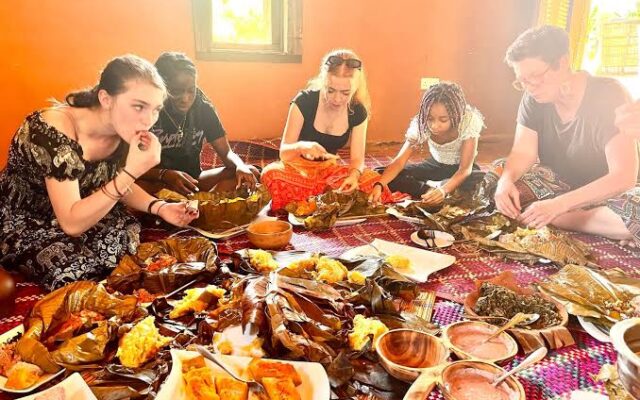
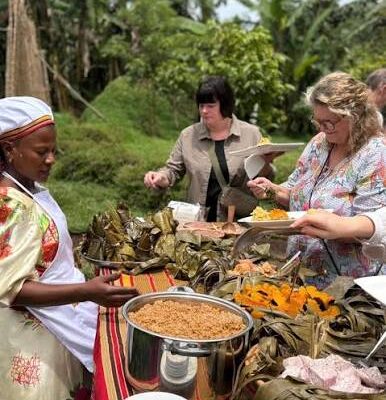
- Traditional cooking and food preparation experiences.
- Music, dance, and local performance interactions.
Why Choose Uganda Heritage Village Tours?
These tours are designed for travelers seeking deep cultural immersion and authentic human connection.
- Direct interaction with local Ugandan communities.
- Hands-on participation in traditional lifestyles.
- Support for community-based tourism initiatives.
- Authentic cultural education beyond typical sightseeing.
- Opportunity to experience Uganda’s rural heritage firsthand.
Top Cultural Communities for Heritage Village Tours
Buganda Cultural Villages (Central Uganda)
- Traditional homesteads and clan systems.
- Royal cultural practices and storytelling.
- Banana farming and cooking traditions.
Bunyoro Communities (Western Uganda)
- Ancient kingdom traditions.
- Traditional healing and herbal medicine practices.
- Farming-based rural lifestyle.
Tooro Cultural Villages
- Kingdom heritage and storytelling traditions.
- Traditional dance and music performances.
- Local craftsmanship and basket weaving.
Karamojong Communities (Northeastern Uganda)
- Pastoralist lifestyle and cattle culture.
- Traditional homestead (manyatta) experiences.
- Unique warrior heritage and ceremonies.
Basoga Villages (Eastern Uganda)
- River Nile cultural traditions.
- Fishing and agricultural practices.
- Local dance and storytelling culture.
What to Expect on a Heritage Village Tour
- Warm welcome from local community members.
- Guided village walk through homesteads and farms.
- Participation in cooking traditional Ugandan meals.
- Learning local crafts such as basket weaving or pottery.
- Traditional music and dance performances.
Cultural Activities Included in Village Tours
Traditional Cooking Experiences
Visitors learn how to prepare Ugandan dishes such as matoke, groundnut sauce, and millet-based meals using traditional methods.
Farming and Livelihood Activities
Guests may participate in planting, harvesting, or livestock care depending on the community.
Craft Making Workshops
Hands-on experience in basket weaving, beadwork, and wood carving.
Cultural Storytelling
Elders share myths, legends, and historical narratives passed down through generations.
Community-Based Tourism Impact
Uganda Heritage Village Tours are important for sustainable tourism development.
- Direct income support for rural communities.
- Preservation of traditional knowledge and practices.
- Empowerment of local women and youth groups.
- Promotion of cultural pride and identity.
Best Time for Uganda Heritage Village Tours
Village tours are available year-round, but the most comfortable travel periods are:
- June to August (dry season).
- December to February (pleasant weather and active cultural events).
Rainy seasons may also offer more authentic farming experiences.
Cost of Uganda Heritage Village Tours
| Tour Type | Price Range (USD) |
|---|---|
| Half-Day Village Visit | $25 – $70 |
| Full-Day Cultural Village Experience | $60 – $150 |
| Multi-Day Homestay Cultural Tour | $200 – $900+ |
What is Included in Heritage Village Tours
- Professional cultural guide.
- Village entry and community participation fees.
- Cultural activities and demonstrations.
- Meals prepared with local families (selected tours).
- Transport to and from the village.
What to Bring for Village Tours
- Comfortable walking shoes.
- Light clothing suitable for rural environments.
- Small gifts (optional but appreciated).
- Camera for cultural documentation (ask permission first).
- Reusable water bottle.
Responsible Travel Guidelines
- Respect local customs and traditions.
- Always ask before photographing people.
- Dress modestly in rural communities.
- Support local artisans by purchasing handmade products.
- Follow guide instructions at all times.
Benefits of Heritage Village Tours
- Authentic cultural immersion experience.
- Meaningful interaction with local communities.
- Supports sustainable rural development.
- Educational insight into Ugandan traditions.
Frequently Asked Questions
Are Uganda heritage village tours safe?
Yes, they are safe when conducted with licensed guides and community approval.
Can I stay overnight in a village?
Yes, some tours offer homestay experiences with local families.
Do I need special preparation?
No special preparation is needed, but respect for local culture is essential.
Are these tours suitable for children?
Yes, they are educational and family-friendly.
Conclusion
Uganda Heritage Village Tours provide a rare opportunity to connect directly with Uganda’s living cultures. These immersive experiences go beyond sightseeing, offering travelers meaningful interactions with local communities and traditions.
From cooking traditional meals to participating in daily village life, these tours create unforgettable cultural memories while supporting sustainable tourism in Uganda.
Village Heritage vs Urban Museums
Heritage villages reconstruct or preserve homestead layouts—granaries, kraals, meeting circles—where elders explain clan governance, initiation rites, and conflict resolution. Unlike static museums, village sites invite participation: grinding grain, thatching demos, or fire-making when seasonally appropriate.
Ndere Centre near Kampala offers polished nightly performances; rural villages trade production values for authenticity. Both have value—Ndere suits arrival jet lag; village stays reward travelers with extra nights in one region. Combine with village tours and homestays when time allows.
Logistics and Permissions
Some heritage villages limit daily visitors to protect household routines—book through community tourism associations, not ad hoc drive-bys. Fees typically include guide honorariums, maintenance levies, and performer stipends—ask for receipts when donations are tax-relevant in your home country.
 Read
Read