Related cultural guides
- Uganda Cultural Tours: Complete Guide to Authentic Cultural Experiences in the Pearl of Africa
- Community Based Tourism Uganda: How Tourism Is Transforming Local Communities Across the Pearl of Africa
- Responsible Tourism Uganda: Traveling Sustainably in the Pearl of Africa
- Sustainable Tourism Uganda
- Eco Cultural Tours Uganda: Sustainable Travel Experiences That Connect Nature, Culture, and Conservation
- All Uganda cultural guides →
Introduction: Live with Local Families in the Pearl of Africa
Uganda Homestay Experiences offer one of the most authentic and immersive ways to explore Ugandan culture. Instead of staying in hotels or lodges, travelers live with local families in rural or semi-urban communities, experiencing daily life, traditions, food, and customs firsthand.
This type of travel is ideal for cultural explorers, students, photographers, and responsible travelers seeking meaningful interaction with Ugandan communities.
What Are Uganda Homestay Experiences?
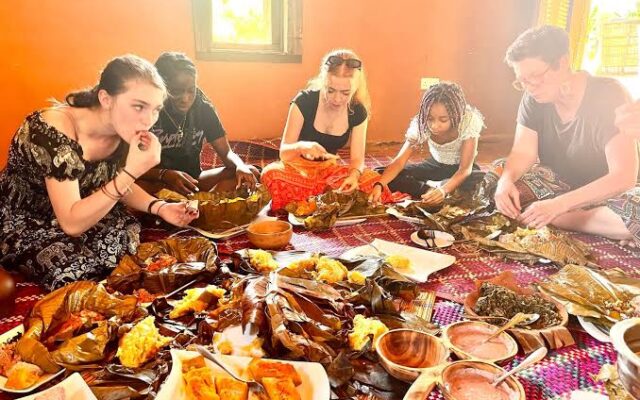
Uganda homestays involve staying in a local household where visitors are welcomed as temporary family members. Guests share meals, participate in daily activities, and engage in cultural exchange.
Homestay experiences typically include:
- Accommodation in a local family home.
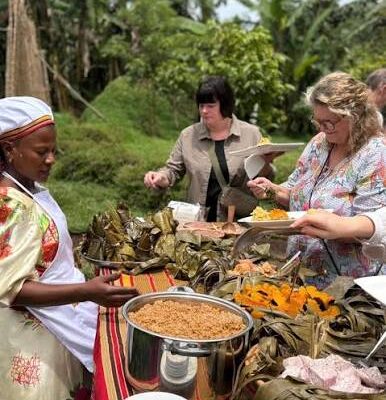
- Traditional Ugandan meals prepared by hosts.
- Participation in daily household and farming activities.
- Cultural storytelling and language exchange.
- Community walks and village exploration.
Why Choose Uganda Homestay Experiences?
Homestays provide deeper cultural immersion than traditional accommodation.
- Authentic connection with local Ugandan families.
- First-hand experience of rural and urban lifestyles.
- Affordable and meaningful travel option.
- Opportunity to learn cultural traditions directly.
- Support for local households and community income.
Where to Experience Homestays in Uganda
Central Uganda (Buganda Region)
- Village homestays near Kampala and Masaka.
- Banana farming and cooking experiences.
- Strong cultural traditions and clan systems.
Western Uganda
- Farm-based homestays in Ankole region.
- Cattle-keeping lifestyle experiences.
- Scenic countryside and rural hospitality.
Eastern Uganda
- Homestays near Jinja and Busoga region.
- River Nile cultural influence.
- Fishing and agricultural experiences.
Northern Uganda
- Acholi cultural homestays.
- Traditional music, dance, and storytelling.
- Warrior and heritage traditions.
What to Expect During a Uganda Homestay
- Warm welcome from host family members.
- Shared traditional meals prepared locally.
- Participation in daily household activities.
- Cultural learning and language exchange.
- Evening storytelling and community interaction.
Cultural Activities in Homestays
Cooking Traditional Meals
Learn how to prepare Ugandan dishes such as matoke, beans, groundnut sauce, and local vegetables.
Farming and Livelihood Activities
Join hosts in farming, animal care, or local trade activities depending on the region.
Craft and Skills Learning
Learn basket weaving, bead making, or other traditional crafts from local artisans.
Music and Dance
Experience traditional Ugandan music and dance performances with your host community.
Benefits of Homestay Experiences
- Deep cultural immersion beyond tourism.
- Strong personal connection with local families.
- Educational and life-enriching experience.
- Direct contribution to community income.
- Memorable storytelling and shared experiences.
Best Time for Uganda Homestays
Homestays are available year-round, but the most comfortable travel periods are:
- June to August (dry season).
- December to February (pleasant weather and holiday season).
Rainy seasons also offer authentic farming and rural experiences.
Cost of Uganda Homestay Experiences
| Homestay Type | Price Range (USD) |
|---|---|
| 1–2 Night Homestay | $30 – $80 per night |
| 3–5 Night Cultural Homestay Package | $150 – $400 |
| Weekly Immersion Experience | $300 – $900+ |
What is Included in Homestay Packages
- Accommodation with a local family.
- Daily meals (breakfast, lunch, dinner).
- Cultural activities and village experiences.
- Local guide or coordinator support.
- Community interaction sessions.
What to Pack for a Homestay in Uganda
- Light and modest clothing.
- Comfortable walking shoes.
- Small gifts for host families (optional).
- Personal toiletries.
- Reusable water bottle.
Responsible Travel Guidelines
- Respect family customs and traditions.
- Ask permission before taking photos.
- Be open and culturally sensitive.
- Participate respectfully in daily activities.
- Support local products and services.
Challenges of Homestay Travel
- Basic accommodation conditions in rural areas.
- Cultural differences in lifestyle and food.
- Limited privacy compared to hotels.
These challenges are part of the authentic cultural experience.
Frequently Asked Questions
Are Uganda homestays safe?
Yes, homestays are safe when arranged through trusted tour operators.
Do I need to speak local languages?
No, English is widely used and guides assist with communication.
Can families join homestays?
Yes, homestays are suitable for families and groups.
Is food provided during homestays?
Yes, traditional meals are usually included.
Conclusion
Uganda Homestay Experiences offer a powerful way to connect with local culture and everyday life. By staying with Ugandan families, travelers gain meaningful insight into traditions, hospitality, and community living.
This form of travel is ideal for those seeking authentic, educational, and immersive cultural experiences in the Pearl of Africa.
What Homestays Include
Accredited homestays provide a private sleeping space (not always a full ensuite), family meals, and participation in daily chores if guests choose—fetching water, tending goats, preparing millet beer for ceremonies. Bathroom standards vary; confirm pit latrine vs flush before booking if mobility or privacy needs matter.
Stays range from one night near Lake Bunyonyi or Kibale to three-night immersions in Toro or Busoga. Nightly community fees of USD 30–80 per person often exclude transport; package with village walks and cooking sessions for fuller context.
Homestay Etiquette
Arrive with modest gifts only when coordinated—school supplies via head teachers beat random candy distribution. Remove shoes when requested, accept meal offers graciously, and keep phones away during sacred moments. Photograph family members only with explicit permission; children’s images deserve extra care.
Homestay Safety and Comfort
Reputable programmes vet households for guest security, sleeping space, and basic sanitation. Share dietary and mobility needs at booking so hosts prepare appropriate meals and room assignments. Night sounds—roosters, drums, rain on tin roofs—are normal rural ambience, not cause for alarm when guides brief you on what to expect.
 Read
Read