Related cultural guides
- Uganda Cultural Tours: Complete Guide to Authentic Cultural Experiences in the Pearl of Africa
- Community Based Tourism Uganda: How Tourism Is Transforming Local Communities Across the Pearl of Africa
- Responsible Tourism Uganda: Traveling Sustainably in the Pearl of Africa
- Sustainable Tourism Uganda
- Eco Cultural Tours Uganda: Sustainable Travel Experiences That Connect Nature, Culture, and Conservation
- All Uganda cultural guides →
Introduction: Authentic Cultural Experiences in Rural Uganda
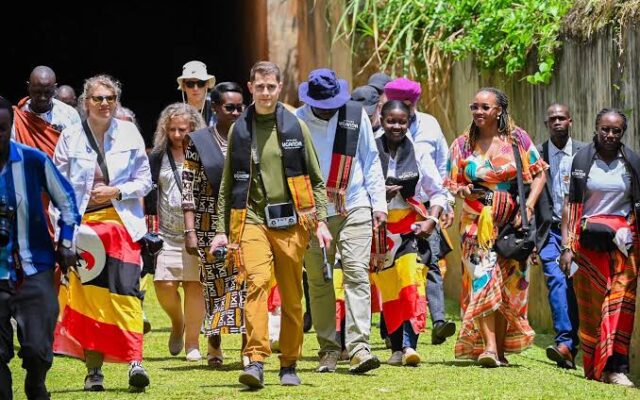
Village Tours Uganda offer immersive cultural experiences that take travelers into the heart of Uganda’s rural communities. These tours allow visitors to interact with local families, learn traditional practices, and experience everyday village life beyond the national parks and wildlife safaris.
Uganda is known not only for its wildlife but also for its rich cultural diversity. Village tours provide an opportunity to explore traditions, agriculture, crafts, and community life in a respectful and educational way.
What Are Village Tours in Uganda?
Village tours are guided cultural experiences where travelers visit rural communities to learn about local lifestyles. These tours are led by knowledgeable guides who ensure meaningful interaction between visitors and community members.
They focus on cultural exchange, education, and supporting local livelihoods through responsible tourism.
What to Expect on Village Tours Uganda
During a typical village tour, visitors can expect:
- Visits to traditional homesteads and farms.
- Interaction with local families and elders.
- Demonstrations of farming and livestock care.
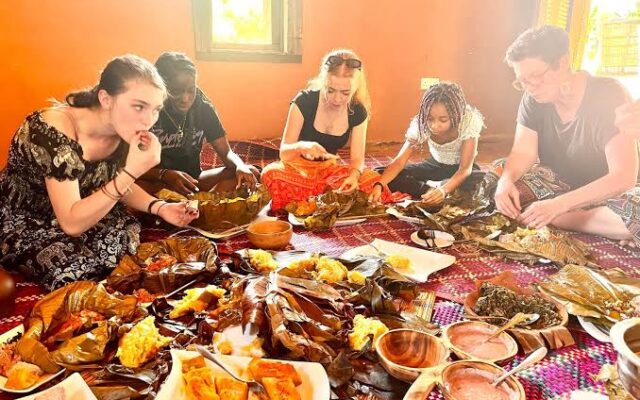
- Traditional cooking and food tasting experiences.
- Craft-making activities such as basket weaving and pottery.
Each experience is interactive and culturally enriching.
Best Places for Village Tours in Uganda
Lake Bunyonyi Region
Famous for its scenic islands and lakeside communities, offering peaceful cultural interactions.
Bwindi Impenetrable Forest Area
Home to Batwa and Bakiga communities with rich forest heritage and traditions.
Queen Elizabeth National Park Surroundings
Offers farming communities and pastoral lifestyles near wildlife areas.
Kibale Forest Region
Known for chimpanzee habitats and nearby cultural villages.
Lake Mburo Area
Features cattle-keeping communities and traditional pastoral culture.
Activities Included in Village Tours
- Guided village walks and storytelling.
- Traditional dance and music performances.
- Local craft demonstrations.
- Farm visits and agricultural learning.
- Cultural food preparation and tasting.
These activities provide an authentic cultural immersion experience.
Benefits of Village Tours Uganda
- Authentic cultural interaction with local communities.
- Support for community-based tourism initiatives.
- Learning opportunities about rural lifestyles.
- Unique photography and storytelling experiences.
Village tours promote sustainable tourism and cultural preservation.
Cultural Etiquette for Visitors
Visitors are encouraged to:
- Ask permission before taking photos.
- Respect local customs and traditions.
- Dress modestly in rural areas.
- Follow guide instructions at all times.
Respectful behavior ensures a positive experience for both visitors and communities.
Cost of Village Tours Uganda
Village tour costs vary depending on duration and location:
- Short village walk: USD 20–50 per person
- Half-day cultural experience: USD 50–100 per person
- Full-day immersion tour: USD 100–200+ per person
Fees often support local community development projects.
Best Time for Village Tours
Village tours are available year-round, but the best conditions are:
- June to August (dry season)
- December to February (peak travel season)
Dry weather makes walking and community visits easier.
Who Should Join Village Tours?
- Cultural travelers and explorers.
- Photography enthusiasts.
- Families and educational groups.
- Safari travelers seeking diverse experiences.
Village tours are suitable for all age groups.
Where Village Tours Work Best
Western Uganda around Kibale, Bunyonyi, and Buhoma offers mature community tourism infrastructure. Eastern Busoga and Teso routes suit travelers combining Jinja adventure sports with culture. Northern village tours emphasise resilience narratives—sensitive guiding essential. Central districts near Kampala work for day trips without overnight rural stays.
Match village selection to your safari map: doubling back from Murchison to Busoga costs a full day—sequence east or west logically. Link village walk tours for on-foot formats and homestays for overnight depth.
Children and Village Visits
School visits require headteacher permission—never distribute gifts uncoordinated. Kids enjoy craft demos and drumming more than long elder dialogues—ask operators for family-paced versions under three hours.
Rural Economy Context
Village tours explain coffee versus subsistence matoke economies, cooperatives versus middlemen, and how remittances from Kampala workers sustain rural households. Understanding money flows helps you buy crafts and pay fees without naive bargaining that undercuts fair community pricing published on cooperative walls.
Operator Questions to Ask
Before confirming a cultural itinerary, ask how community fees are distributed, whether visits are capped per day, and who interprets sensitive topics such as displacement or clan conflict. Reputable operators answer plainly and provide association contacts—not vague assurances of “authenticity.” Request sample day timings showing drive hours versus face-to-face community time; cultural tourism should not become windshield tourism with brief photo stops.
Combining with Wildlife
Most international visitors pair culture with gorilla trekking or savannah game drives. Sequence intensive cultural days on transfer days or rest days between treks—not the evening before a 5 a.m. gorilla briefing. Wildlife and cultural safaris and safari planning help balance species priorities with human heritage without exhausting hosts or guests.
Sustainable Cultural Spending
Buy crafts at cooperatives with posted prices; tip performers through community funds when guides recommend that model. Avoid haggling aggressively over artisan work priced below your home-country coffee habit. Photography of children and ceremonies requires explicit consent—budget time for relationship-building, not only shutter clicks. Sustainable cultural travel leaves communities wanting visitors back next season.
 Read