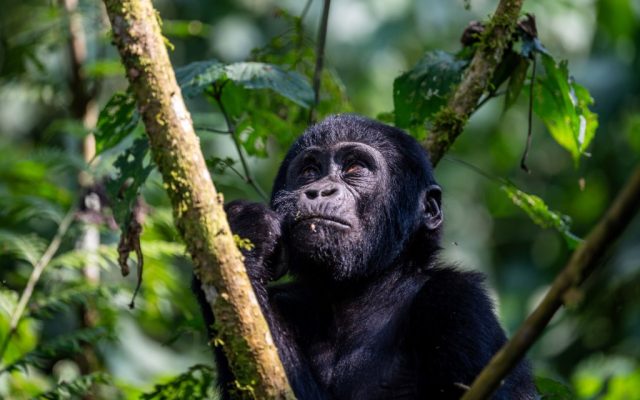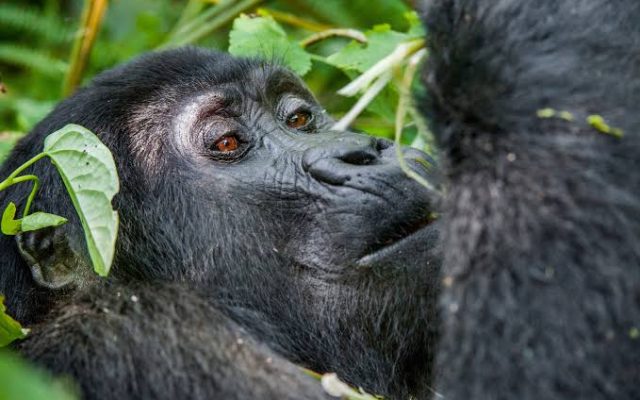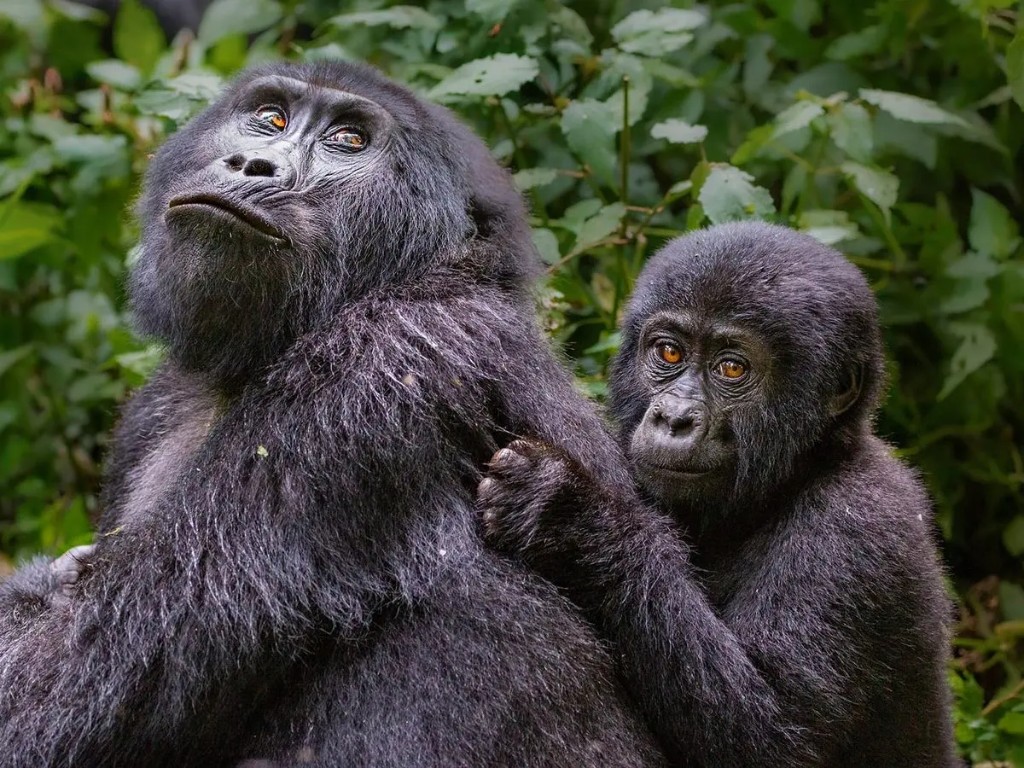
Gorilla Trekking in Uganda — Standing a few metres from a silverback mountain gorilla changes how you think about wild places. The forest goes quiet. A juvenile rolls past your boots. An adult female glances up, then returns to stripping bamboo shoots. You have one hour. It feels like ten minutes and an eternity at once.
This guide covers practical planning for Gorilla Trekking in Uganda, with tips you can use when comparing options.
Uganda is home to roughly half of the world’s remaining mountain gorillas, and gorilla trekking in Uganda remains one of the most sought-after wildlife experiences on the continent. Treks take place in two national parks — Bwindi Impenetrable National Park and Mgahinga Gorilla National Park — both in the southwestern highlands near the borders with Rwanda and the Democratic Republic of Congo. The Uganda Wildlife Authority (UWA) manages permits, briefing, and the rules that keep both visitors and gorillas safe.
This guide covers what to expect before, during, and after your trek: where to go, how a typical day unfolds, what fitness level you need, and the regulations that matter. Whether you are planning your first gorilla safari or returning for a second trek in a different sector, the details below will help you prepare properly.
Where Gorilla Trekking Happens in Uganda
Most treks happen in Bwindi, a UNESCO World Heritage Site spanning more than 320 square kilometres of steep, ancient rainforest. The park is divided into four trekking sectors, each with its own trailheads, ranger stations, and habituated gorilla families:
Buhoma (north) is the oldest sector and often the first choice for travellers new to gorilla trekking. Trails here tend to be less punishing than in the southern sectors, and the area has a wide range of lodges from community-run guesthouses to upscale forest camps.
Ruhija (east) sits at higher altitude — around 2,300 metres — with cooler mornings and excellent birding along the ridges. It sees fewer visitors than Buhoma, which can mean a quieter briefing area and a more remote feel.
Rushaga (south-central) has the largest number of habituated families and is the only sector where UWA offers the four-hour gorilla habituation experience. Treks here can be steep and long, but permit availability is often better during peak months.
Nkuringo (far south) rewards fit trekkers with dramatic views toward the Virunga volcanoes. The terrain is rugged. Come prepared for a serious hike.
The second trekking destination is Mgahinga Gorilla National Park, Uganda’s smallest national park, tucked against the Virunga range. Only one habituated family — the Nyakagezi group — is open to tourism here, with eight permits issued per day. Mgahinga suits travellers who want a compact park experience and the option to combine gorilla trekking with golden monkey tracking or volcano hikes.
How Gorilla Trekking Permits Work
Every trekker needs a permit issued by UWA. As of the 2024–2026 conservation tariff, foreign non-residents pay USD 800 for a standard one-hour trek. Foreign residents pay USD 700, Rest of Africa citizens USD 500, and East African Community citizens UGX 300,000. UWA introduced discounted low-season rates of USD 600 for foreign non-residents during April, May, and November — a meaningful saving if your dates are flexible.
Roughly 160 permits are available each day across Bwindi and Mgahinga, split among habituated families. Only eight visitors are assigned to each family per day. Permits include park entry for the trekking day, ranger guides, armed escort, and a contribution to conservation and community projects.
Book early. Peak months — June through August and December through February — sell out months ahead. As of March 2026, UWA requires full payment at the time of booking; the old seven-day reservation hold no longer applies. A licensed tour operator such as Lion on the Rocks Safaris can secure permits, match your lodge to the correct sector, and handle road transfers from Kampala, Entebbe, or Kigali. Request a quote when you have travel dates in mind.
A Typical Trekking Day
Your day starts early. Report to the sector briefing point by 7:30 a.m. Rangers check passports (age verification is strict), explain the rules, and assign you to a gorilla family based on permit allocation and, when possible, your fitness level.
After briefing, trackers who left at dawn may already be in radio contact with the gorilla group. You follow guides and porters into the forest. Treks can last anywhere from 45 minutes to six hours or more, depending on where the family fed the previous night. The hike is off-trail — muddy, rooty, and sometimes vertical. Porters are worth hiring; they carry your daypack and lend a hand on steep sections for around USD 15–20.
When you reach the gorillas, you leave bags behind and approach with guides. You get one hour with the family. No flash photography. No eating or drinking near the animals. Keep at least 10 metres’ distance, though a curious juvenile may close that gap briefly before rangers guide you back.
After the hour, you hike out. Most groups are back at the trailhead by early afternoon. Certificate in hand, muddy boots off, you will understand why people fly across the world for this.
Rules and Health Requirements
UWA enforces trekking rules to protect gorillas, which share about 98 percent of our DNA and are vulnerable to human respiratory illness. Key regulations:
Minimum age is 15 years. Do not trek if you have a cold, flu, or any contagious illness — rangers can turn you away to protect the primates. Maximum group size is eight visitors per gorilla family. Visits are limited to one hour per family per day. Smoking, eating, and drinking are not permitted during the encounter. Flash photography is prohibited. All litter must leave the forest with you.
These are not bureaucratic annoyances. They are the reason Uganda’s gorilla population has grown from a few hundred individuals in the 1980s to more than 1,000 today across the Virunga–Bwindi ecosystem.
What to Pack and How Fit You Need to Be
Pack for a serious hike in a wet forest. Waterproof hiking boots with ankle support are essential. Long trousers and long sleeves in neutral colours protect against stinging nettles and safari ants. Bring a rain jacket, gardening gloves for gripping vegetation, insect repellent, and at least 1.5 litres of water. A walking stick is usually provided at the trailhead.
You do not need to be an athlete, but reasonable fitness helps — especially in Rushaga and Nkuringo. Buhoma and some Ruhija treks are kinder to knees. Elderly or mobility-limited travellers can arrange a sedan chair carried by porters; book this in advance through your operator.
Gorilla Habituation: The Longer Encounter
Standard trekking gives you one hour. The gorilla habituation experience, offered only in Bwindi’s Rushaga sector, allows up to four hours with a semi-habituated family alongside researchers and rangers. Only four visitors per family per day receive habituation permits, priced at USD 1,500 for foreign non-residents. It is Uganda’s answer to travellers who want deeper observation time — and it is not available in Rwanda or Congo.
Getting There and Combining Your Trip
From Kampala or Entebbe, the drive to Bwindi takes roughly eight to ten hours through rolling highlands — many travellers break the journey overnight in Lake Mburo or Kabale. Domestic flights land at Kihihi or Kisoro airstrips, cutting travel time significantly. From Kigali, Rwanda, the drive to southern Bwindi or Mgahinga takes about four to five hours, making a cross-border itinerary practical with an East Africa Tourist Visa.
Gorilla trekking pairs well with savannah safaris in Queen Elizabeth or Ishasha, chimpanzee tracking in Kibale, or a few restful days at Lake Bunyonyi after the physical effort of the forest.
Planning Your Uganda Gorilla Trek
The essentials are straightforward: secure your permit for the right sector, pack for mud and altitude, respect the rules, and give yourself at least one full day for the trek itself. Everything else — lodges, transport, porters, optional cultural visits to Batwa communities — layers around that core experience.
Kampala-based operators like Lion on the Rocks Safaris coordinate the logistics so you can focus on the forest. Whether you choose a three-day gorilla express or a longer Uganda circuit, the moment you lock eyes with a wild mountain gorilla is the moment the planning pays off. Contact us to start shaping your itinerary.
 Read
Read