Introduction: Uganda Safari vs Kenya Safari
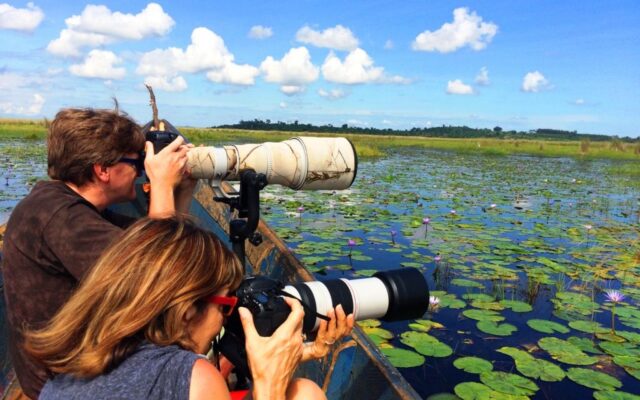
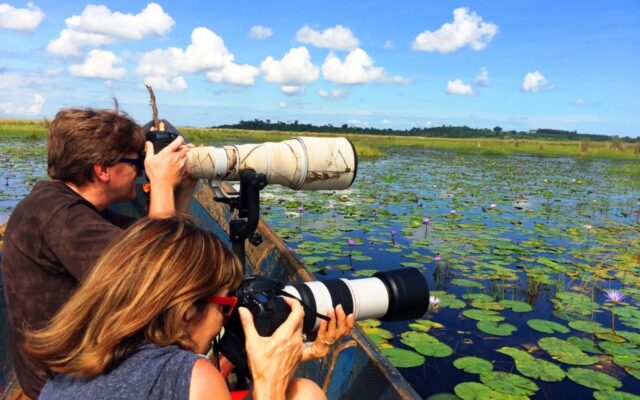
Uganda Safari vs Kenya Safari is one of the most common comparisons for travelers planning an East African wildlife adventure. Both countries offer world-class safari experiences, but they differ in landscapes, wildlife density, activities, and overall travel style.
From the mountain gorillas of Bwindi Impenetrable National Park in Uganda to the vast savannahs of the Maasai Mara National Reserve in Kenya, each destination offers unique and unforgettable safari experiences.
This guide provides a detailed comparison of Uganda vs Kenya safaris, helping travelers choose the best destination based on interests, budget, and travel style.
Wildlife Experience Comparison
Uganda Wildlife
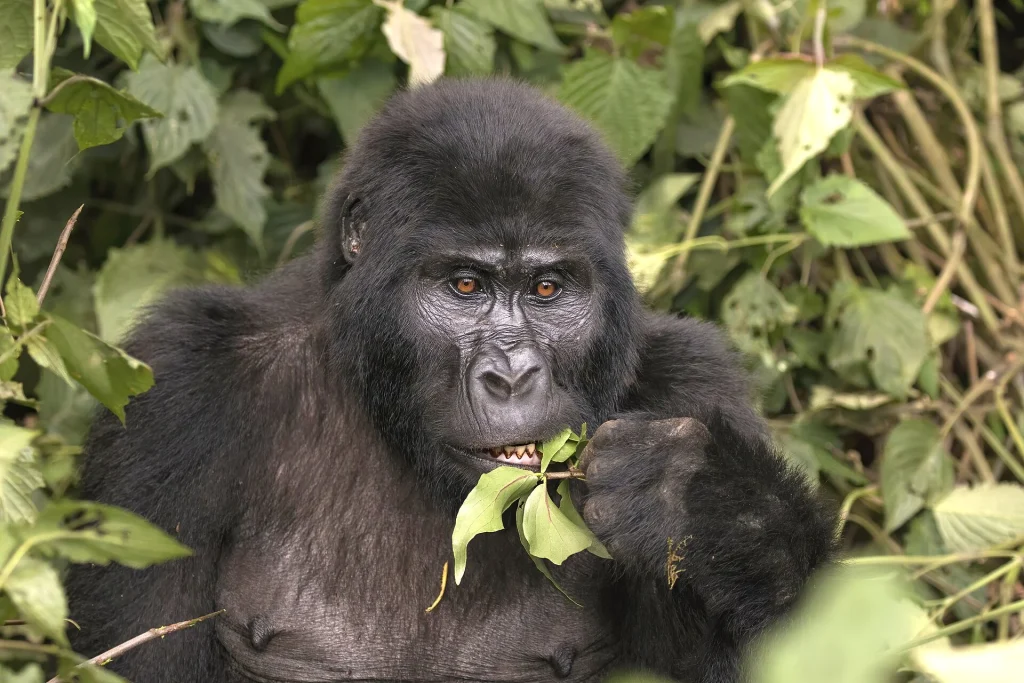
- Mountain gorillas in Bwindi and Mgahinga
- Chimpanzees in Kibale Forest
- Tree-climbing lions in Queen Elizabeth National Park
- Rich forest and savannah biodiversity
Kenya Wildlife
- Large herds of elephants, lions, and zebras
- Great Migration in Maasai Mara
- High density of big game animals
- Classic open savannah wildlife viewing
Kenya offers higher animal density, while Uganda offers more diverse ecosystems.
Gorilla Trekking vs Big Game Viewing
Uganda is one of the few countries in the world where travelers can see mountain gorillas in the wild.
- Uganda: Gorilla trekking and chimpanzee tracking
- Kenya: No gorilla trekking, focus on big game safaris
This makes Uganda ideal for primate-focused safaris.
Landscape Comparison
Uganda
- Lush green rainforests
- Mountains and crater lakes
- Wetlands and dense vegetation
Kenya
- Open savannah plains
- Wide grasslands and acacia landscapes
- More arid and semi-arid regions
Uganda is greener and more diverse, while Kenya is more open and classic safari terrain.
Safari Activities Comparison
Uganda Activities
- Gorilla trekking
- Chimpanzee tracking
- Boat safaris on Nile and Kazinga Channel
- Birdwatching (1,000+ species)
Kenya Activities
- Game drives in Maasai Mara and Amboseli
- Hot air balloon safaris
- Cultural visits to Maasai communities
- Great Migration viewing
Cost Comparison
Uganda Safari Costs
- Budget: USD 150–250 per day
- Mid-range: USD 250–500 per day
- Luxury: USD 500–1,500+ per day
- Gorilla permit: USD 800
Kenya Safari Costs
- Budget: USD 120–250 per day
- Mid-range: USD 250–450 per day
- Luxury: USD 500–2,000+ per day
- Masai Mara reserve fees vary seasonally
Kenya can be slightly more flexible for budget safaris, while Uganda includes higher-value primate experiences.
Best Time to Visit
Uganda
- June to August (dry season)
- December to February (dry season)
Kenya
- July to October (Great Migration)
- January to March (dry season)
Crowd Levels
- Uganda: Less crowded, more exclusive
- Kenya: More popular and busier during migration season
Which Safari Should You Choose?
Choose Uganda if you want:
- Gorilla trekking experience
- Dense rainforest adventures
- Fewer tourists
- Primate-focused safari
Choose Kenya if you want:
- Big game viewing in open savannah
- Great Migration experience
- Classic safari landscapes
- Hot air balloon safaris
Conclusion: Uganda Safari vs Kenya Safari
Uganda Safari vs Kenya Safari offers two distinct but equally rewarding safari experiences. Uganda is best known for gorillas, chimpanzees, and lush landscapes, while Kenya is famous for its vast savannahs and large wildlife populations.
Both destinations deliver unforgettable African safari experiences, and many travelers choose to combine them for a complete East African adventure.
When to Choose Uganda
Pick Uganda when mountain gorillas, chimpanzees, shoebill, and diverse habitats in one moderate-sized country matter more than maximum savannah cat density. Uganda suits 8–12 day primate-plus-wildlife circuits without crossing borders. Birders and adventure travelers (rafting, volcano hikes) often prefer Uganda’s variety.
When to Choose Kenya
Kenya wins for classic Big Five density, Maasai Mara Great Migration (July–October), and shorter fly-in safari loops from Nairobi. Beach extensions to Diani or Lamu pair easily with Mara flights. No gorilla trekking exists in Kenya—add Uganda or Rwanda if primates are mandatory.
Combining Both Countries
East Africa Tourist Visa enables Kenya–Uganda loops: Nairobi → Mara → fly Entebbe → Bwindi gorillas is a popular 10–14 day combo. Compare permit economics in safari cost and primate focus in gorilla trekking. Timing notes in best time to visit Uganda help align seasons across borders.
Photography and Crowds
Kenya’s Mara can feel crowded at migration crossings; Uganda’s savannah parks are quieter though wildlife density is lower. Bird photographers often prefer Uganda’s varied habitats over Kenya’s open plains alone.
Logistics and Flight Hubs
Nairobi connects globally with frequent schedules; Entebbe is smaller but less congested on arrival. Kenya’s internal safari aviation is mature; Uganda’s AeroLink network grows yearly. Road safari distances favor Kenya’s Mara loops for classic wildlife-only weeks; Uganda wins combined primate circuits without regional flights.
Duration Recommendations
Kenya classic Mara–Nakuru–Amboseli loops fit 6–8 days; Uganda primate-focused routes need 8–10 minimum. Combining both via East Africa Visa suits 14–18 day once-in-a-lifetime trips if budget allows.
Wildlife photographers chasing migration action pick Kenya; primate and bird photographers pick Uganda. Many repeat visitors do both over separate trips rather than one rushed combo.
Planning Your Next Steps
Uganda rewards travelers who book permits early, pack for equatorial weather swings, and choose realistic drive times between parks. Cross-check this guide with our Uganda travel guide, safari planning workflow, and travel tips before you confirm flights. Gorilla and chimp dates should anchor your calendar; everything else—lodges, vehicles, cultural stops—fits around those fixed permit mornings.
Licensed operators provide itemised quotes separating park fees, permits, and lodging so you compare offers fairly. Shoulder seasons often deliver excellent wildlife with fewer vehicles on savannah tracks and more permit flexibility in the forest. Travel insurance, yellow fever documentation, and a working local SIM remain essentials regardless of month or budget tier.
 Read