

Introduction
The 13 Day Uganda Safari Cost is one of the most frequently researched topics by travelers planning an extended wildlife adventure in East Africa. Uganda has become one of Africa's fastest-growing safari destinations because it offers a unique combination of experiences that few countries can rival. During a well-planned thirteen-day safari, visitors can enjoy Uganda Gorilla Trekking, track chimpanzees in tropical rainforests, search for the Big Five, cruise along the Nile River, explore ancient forests, encounter hundreds of bird species, and experience authentic cultural interactions.
A thirteen-day safari provides an ideal balance between exploration and comfort. While shorter itineraries often require travelers to prioritize only a few destinations, a 13-day safari allows visitors to experience Uganda's most iconic attractions without rushing. Travelers typically visit Murchison Falls National Park, Kibale Forest National Park, Queen Elizabeth National Park, Bwindi Impenetrable National Park, Lake Mburo National Park, and the Ziwa Rhino Sanctuary, creating one of the most comprehensive safari experiences available anywhere in Africa.
One of the reasons safari pricing often causes confusion is the wide variation between quotations. Some travelers receive prices that appear surprisingly affordable, while others are presented with significantly higher figures for similar itineraries. The explanation lies in the details. Accommodation standards, gorilla permits, transportation methods, conservation fees, guide quality, seasonal demand, and optional activities all influence the final safari budget.
Understanding how these factors contribute to the overall Uganda Safari Cost is essential for making informed decisions and selecting the safari that offers the best value for your investment.
Why a 13 Day Uganda Safari Is One of the Best Itinerary Lengths
A thirteen-day itinerary is often considered the sweet spot for travelers who want to experience Uganda thoroughly. The additional days compared to shorter safaris allow for a more relaxed pace and significantly improve the overall quality of the experience.
Uganda's attractions are spread across different regions of the country. Traveling from Murchison Falls National Park in the northwestern region to Bwindi Impenetrable National Park in the southwest requires considerable travel time. On shorter itineraries, visitors may spend large portions of their holiday on the road. A thirteen-day safari reduces this pressure by allowing more time at each destination.
The additional days also create opportunities to include activities that might otherwise be omitted. Travelers can enjoy extended game drives, additional chimpanzee tracking experiences, cultural encounters, birding excursions, nature walks, and scenic boat cruises. Rather than rushing from one attraction to the next, visitors can immerse themselves in each destination and gain a deeper appreciation for Uganda's extraordinary biodiversity.
For travelers investing in international flights and permits, a longer safari often provides better overall value because it maximizes the experiences gained during the trip.
What Determines the 13 Day Uganda Safari Cost?
The final 13 Day Uganda Safari Cost is influenced by several important factors. Understanding these cost components allows travelers to compare safari quotations more effectively and avoid unexpected expenses.
Accommodation is one of the most significant contributors to safari pricing. Uganda offers everything from budget lodges and guesthouses to luxury safari camps and high-end wilderness retreats. The category selected can dramatically alter the overall cost of a safari.
Transportation also plays a major role. Most safari operators use customized 4×4 Land Cruisers equipped for wildlife viewing and long-distance travel. Vehicle maintenance, fuel, insurance, permits, and guide salaries all contribute to operational costs.
Activities such as Uganda Gorilla Trekking, chimpanzee tracking, boat cruises, guided nature walks, and cultural visits often require permits or entrance fees. These expenses accumulate throughout the itinerary and form an important part of the overall safari budget.
Seasonality is another key factor. Peak tourism periods typically bring higher accommodation rates and increased competition for permits, while low-season travel may offer substantial discounts.
The overall safari cost is therefore a combination of multiple interconnected elements rather than a single fixed price.
Gorilla Trekking Costs and Their Impact on Safari Pricing
For many visitors, Uganda Gorilla Trekking is the primary reason for traveling to Uganda. As a result, gorilla permits represent one of the most important components of the Uganda Gorilla Safari Cost.
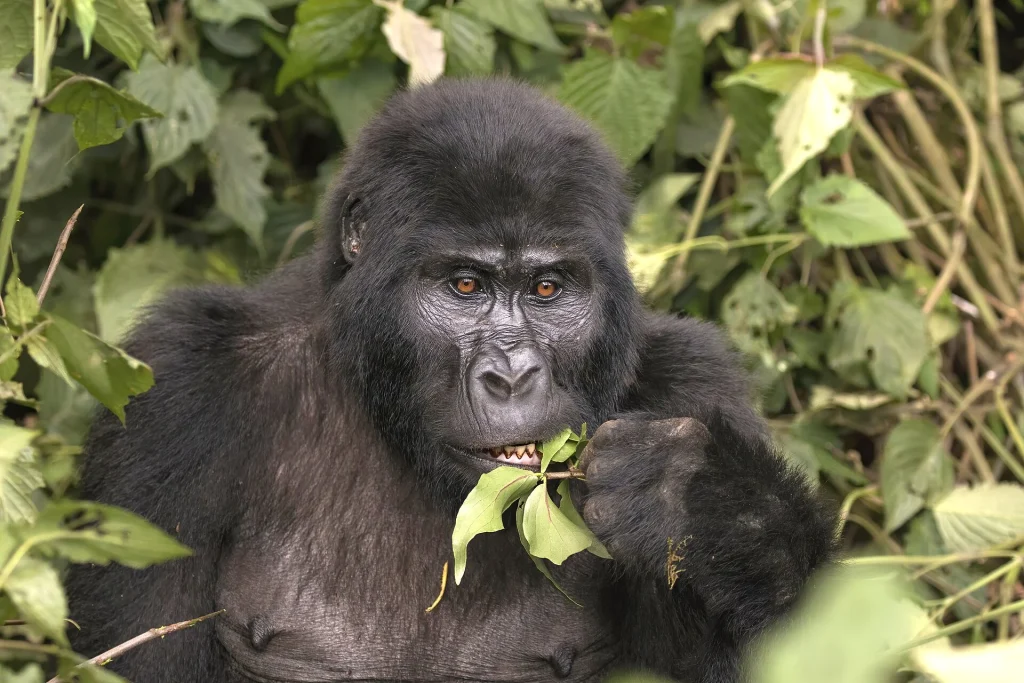
Uganda is home to nearly half of the world's remaining mountain gorillas, protected within Bwindi Impenetrable National Park and Mgahinga Gorilla National Park. Access to these endangered primates is carefully controlled through a permit system administered by the Uganda Wildlife Authority.
Every visitor wishing to participate in a gorilla trek must obtain a permit. Demand for permits is extremely high, particularly during peak travel seasons, and availability is limited. Travelers planning a 13-day safari are strongly advised to secure permits as early as possible.
Although gorilla permits represent a substantial expense, they play a critical role in conservation. Revenue generated through permits supports anti-poaching efforts, ranger salaries, veterinary programs, habitat protection, research initiatives, and community development projects around gorilla habitats.
For most travelers, the opportunity to spend an hour observing a gorilla family in the wild becomes the highlight of the entire safari. Watching a silverback interact with his family or observing playful juveniles at close range creates memories that last a lifetime.
Chimpanzee Tracking Costs
Another major factor influencing the Uganda Safari Cost Breakdown is chimpanzee tracking. Uganda is widely recognized as one of Africa's best destinations for observing wild chimpanzees, and many 13-day itineraries include this activity.
The most popular location for chimpanzee tracking is Kibale Forest National Park, often referred to as the primate capital of East Africa. The forest supports one of Africa's largest populations of chimpanzees alongside numerous other primate species.
Chimpanzee permits are generally less expensive than gorilla permits but still contribute significantly to the overall safari budget. Visitors spend time tracking chimpanzees through the forest while observing their feeding behavior, social interactions, vocalizations, and movement patterns.
Combining chimpanzee tracking with gorilla trekking creates one of the world's most rewarding primate experiences and is a major reason why Uganda continues to attract wildlife enthusiasts from around the globe.
Accommodation Costs During a 13 Day Safari
Accommodation is often the second-largest expense after permits and plays a major role in determining the final Uganda Safari Cost Per Person.
Budget accommodation focuses on practicality and affordability. These properties provide clean rooms, comfortable beds, and convenient access to safari destinations without luxury amenities. They are ideal for travelers who prioritize wildlife experiences over accommodation standards.
Midrange accommodation remains the most popular choice among international visitors. These lodges typically offer private bathrooms, comfortable rooms, quality dining, scenic locations, and attentive service. Many are strategically positioned near national parks, allowing guests to maximize time spent on safari activities.
Luxury accommodation elevates the experience through exceptional service, spacious suites, gourmet cuisine, and spectacular locations. Many luxury lodges are destinations in their own right and contribute significantly to the overall enjoyment of a safari.
The choice of accommodation should reflect not only budget considerations but also personal travel preferences and expectations.
Transportation and Guide Costs
Transportation is a critical component of every safari and represents one of the largest operational expenses. Uganda's safari destinations are spread across different regions, requiring extensive travel throughout a thirteen-day itinerary.
Most professional operators use customized 4×4 safari vehicles equipped with pop-up roofs for wildlife viewing. These vehicles are designed to handle varying road conditions while providing comfort and safety.
Transportation costs include:
- Vehicle purchase and depreciation
- Fuel
- Maintenance
- Insurance
- Road permits
- Guide salaries
- Operational logistics
Professional guides play a crucial role in safari success. Their knowledge of wildlife behavior, birdlife, local culture, and conservation often determines the quality of sightings and overall guest satisfaction.
Many travelers consider their guide to be one of the most important aspects of the entire safari experience.
National Park Fees and Conservation Charges
National park entrance fees form an important part of the Cost of Safari in Uganda. These fees directly support conservation initiatives and ensure the long-term sustainability of Uganda's protected areas.
A typical 13-day itinerary includes multiple parks, each with its own entrance fees and conservation charges. Revenue generated through tourism supports ranger patrols, habitat management, infrastructure development, wildlife monitoring, and anti-poaching efforts.
Visitors often appreciate knowing that their safari expenditure contributes directly to conservation and community development. Tourism plays a vital role in protecting Uganda's wildlife while creating economic opportunities for local communities.
Road Safaris Versus Fly-In Safaris
Travelers planning a 13-day safari must decide whether to travel primarily by road or incorporate domestic flights.
Road safaris offer excellent value and allow visitors to experience Uganda's landscapes, villages, and rural communities. Many travelers enjoy the journey itself as an important part of the safari experience.
Fly-in safaris significantly reduce travel times and maximize time spent enjoying activities. However, domestic flights increase the overall Uganda Safari Price and are generally associated with luxury safari experiences.
The decision depends on available budget, time constraints, and personal preferences regarding comfort and convenience.
Hidden Costs Travelers Should Budget For
When calculating the overall Uganda Travel Cost, travelers should consider expenses that may not be included in safari quotations.
Common additional expenses include:
- International flights
- Visa fees
- Travel insurance
- Vaccinations
- Airport transfers
- Gratuities
- Personal purchases
- Laundry services
- Alcoholic beverages
Travel insurance is particularly important because it provides protection against unexpected events such as medical emergencies, flight cancellations, and trip interruptions.
Including these costs in your budget helps create a more accurate financial plan and avoids unpleasant surprises during the trip.
How to Reduce the Cost of a 13 Day Uganda Safari
Travelers seeking to reduce safari expenses can often achieve meaningful savings without sacrificing the quality of their experience.
Traveling during low season frequently results in lower accommodation rates and promotional offers. Choosing midrange accommodation instead of luxury lodges can significantly reduce costs while still providing excellent comfort and service.
Group travel offers another effective way to reduce expenses. Sharing transportation costs among multiple participants lowers the overall Uganda Safari Cost Per Person while maintaining access to the same attractions and activities.
Early booking can also help secure permits and accommodation before availability becomes limited and prices increase.
Is a 13 Day Uganda Safari Worth the Cost?
For most travelers, the answer is an emphatic yes.
A thirteen-day itinerary provides one of the most comprehensive wildlife experiences available in Africa. Few destinations offer the opportunity to combine Uganda Gorilla Trekking, Chimpanzee Trekking Uganda, Big Five safaris, birdwatching, cultural encounters, and breathtaking scenery within a single journey.
The additional days allow visitors to travel at a more comfortable pace, increase wildlife viewing opportunities, and gain a deeper appreciation for Uganda's landscapes and conservation successes.
When viewed as an investment in extraordinary experiences and lifelong memories, a 13-day Uganda safari offers exceptional value and remains one of Africa's most rewarding travel adventures.
Frequently Asked Questions
How much does a 13 Day Uganda Safari Cost?
The cost varies depending on accommodation standards, transportation choices, activities, permits, and travel season.
Is thirteen days enough to explore Uganda?
Yes. Thirteen days allows visitors to experience Uganda's major safari destinations at a comfortable and rewarding pace.
Are gorilla permits included in safari packages?
Some operators include gorilla permits while others quote them separately. Always verify inclusions before booking.
What is the largest safari expense?
Gorilla permits, accommodation, and transportation are typically the largest components of the safari budget.
Is Uganda worth visiting compared to Kenya or Tanzania?
Uganda offers a unique combination of mountain gorillas, chimpanzees, wildlife, birding, cultural experiences, and stunning landscapes that few destinations can match.
Conclusion
The 13 Day Uganda Safari Cost depends on accommodation category, transportation style, conservation permits, activities, and seasonal demand. While safari prices vary considerably, a thirteen-day itinerary provides one of the most comprehensive ways to experience Uganda's remarkable wildlife, landscapes, and cultures. Whether choosing a budget adventure, a comfortable midrange journey, or a luxury safari, travelers can expect exceptional value and unforgettable experiences in one of Africa's most extraordinary destinations.
 Read
Read