Uganda kob habitat is the open, sunlit savannah that defines the country's most popular game-drive parks. Understanding where kob live — and why they choose particular grasslands — explains their abundance on the Kasenyi Plains, their role as lion prey, and the traditional lek sites males return to each breeding season. Explore related guides on Uganda kob facts, lek behaviour, and best places to see kob in Uganda.
Open Savannah Specialists
Uganda kob are not forest antelopes. They favour open grassland, lightly wooded savannah, and floodplain margins where visibility is high and grasses stay short through grazing, seasonal flooding, and occasional fire. This habitat preference makes them one of the most visible mammals on standard game-drive circuits — and one of the most vulnerable to ambush predators.
Research in Queen Elizabeth National Park showed strong association between female kob and short, green grass on elevated plains near water — habitat that delivers nutrition and predator sightlines at the same time.
Water Dependence
Like other reduncine antelopes, kob need reliable access to water even though they are not wetland specialists in the way waterbuck are. They typically remain within a few kilometres of rivers, lakes, or permanent springs. In Murchison Falls, Nile-front grasslands concentrate herds; in Queen Elizabeth, lake and channel systems shape seasonal movement.
Dry-season concentrations near remaining water can produce spectacular game-drive viewing — but also intensify predator activity.
Short-Grass Preference
Kob are selective grazers. They target fresh, short growth rather than coarse tall stands. This is why burned or heavily grazed plains often teem with kob while adjacent tall-grass zones carry fewer animals. The preference links kob to the same open plains lions patrol at dawn.
Fire and Savanna Management
Natural and managed fire maintains the mosaic of short grass and regenerating shoots that kob favour. Uganda's park authorities use fire as a management tool in some savannah blocks, indirectly supporting kob nutrition and the predators that follow them.
Vegetation Types
Typical kob habitat includes:
- Open grass savannah on volcanic or alluvial plains
- Acacia–grassland mosaics with scattered trees
- Floodplain meadows after seasonal inundation
- Low ridge tops with panoramic visibility — favoured for leks
- Lake and river margins with green regrowth
They generally avoid dense woodland unless moving between grazing areas.
Altitude and Climate
Uganda kob occur from roughly 700 to 1,400 metres above sea level across the country's savannah belt. Climate is broadly tropical with bimodal rainfall in western and northern parks. Grass quality — not temperature alone — drives seasonal distribution, with herds expanding across plains when growth is fresh and contracting toward water in drier months.
Park Ecosystems — Where Habitat Meets Tourism
Queen Elizabeth National Park
The Kasenyi Plains east of the Kazinga Channel are textbook kob habitat: open, short grass, high visibility, and lion territory. Ishasha's fig-dotted savannah in the south holds additional herds. The park's ecological story is inseparable from kob density.
Murchison Falls National Park
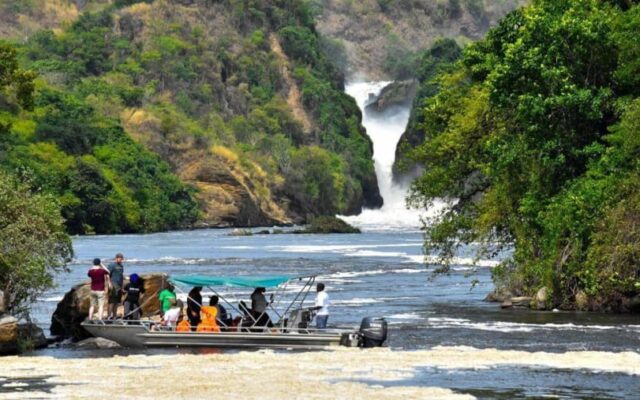
North-bank Buligi tracks cross classic Nile savannah where kob mingle with buffalo, elephant, and giraffe. Delta grasslands near Lake Albert add seasonal variety.
Kidepo Valley National Park
The Narus Valley's remote grasslands support kob in a drier, more rugged savannah matrix — excellent habitat with far fewer vehicles than Queen Elizabeth.
Lake Mburo National Park
Compact acacia grasslands and lake shores create accessible kob habitat on short western circuits, ideal for travellers with limited time.
Lek Sites as Habitat Features
Traditional lek breeding grounds are habitat landmarks — open knolls or plains used across generations. Males return to the same territorial clusters annually, and females visit specifically to mate. Protecting these sites is as much a habitat priority as protecting grazing plains.
Predator–Prey Habitat Overlap
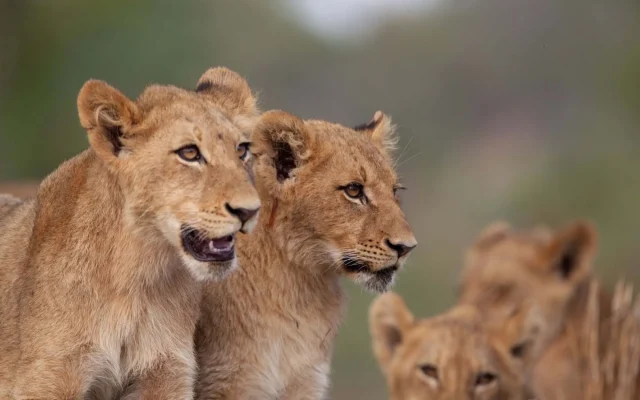
Kob choose plains that lions also hunt. The overlap is ecological, not accidental: short grass feeds kob and exposes stalking predators. Uganda's savannah parks work as systems because herbivore habitat and predator habitat are the same landscape seen from different trophic levels.
Habitat Threats
Outside protected areas, conversion of savannah to agriculture, livestock encroachment, and poaching reduce available habitat. Inside parks, invasive species, human settlement pressure on boundaries, and climate-driven shifts in rainfall timing can alter grass regrowth patterns. Maintaining large, connected savannah blocks remains the single most important habitat intervention for Uganda kob.
Safari Viewing and Habitat Ethics
Stay on designated tracks, respect minimum disturbance near leks during the rut, and follow ranger guidance in flood-sensitive plains. Responsible tourism helps ensure the savannah mosaic that kob depend on stays intact for future breeding seasons.
Planning Your Visit
For habitat-focused viewing, prioritise dawn drives on open plains in the dry season, combine Queen Elizabeth or Murchison with our best time to see Uganda kob guide, and build savannah days into gorilla or chimpanzee circuits via Uganda safari packages.