Uganda kob conservation is a story of protected savannah success — and of national responsibility. The subspecies remains abundant inside Uganda's parks, appears on the coat of arms as a symbol of wildlife wealth, and underpins predator tourism that helps fund rangers and communities. Yet habitat loss outside protected areas and the ecological links between kob, lions, and grassland health mean conservation is never finished work. See also habitat, where to see kob, and safari experiences that support park revenue.
IUCN Status
The kob species (Kobus kob) is classified Least Concern on the IUCN Red List. Uganda kob populations within national parks are generally stable, though precise national censuses are challenging across vast savannahs. The subspecies' near-total dependence on protected areas — estimated at roughly 98 percent of the population — makes park integrity the conservation bottom line.
National Symbolism and Public Awareness
Conservation is easier when a species is beloved. The Uganda kob's place on the coat of arms, opposite the crested crane, frames wildlife as national patrimony rather than optional scenery. Uganda Wildlife Authority branding reinforces the message: protecting kob habitat protects identity, tourism, and ecological function simultaneously.
School curricula, park interpretive centres, and safari storytelling all extend that awareness to Ugandan and international audiences.
Protected Area Strongholds
Uganda's savannah network anchors kob survival:
- Queen Elizabeth National Park — flagship plains and lek sites
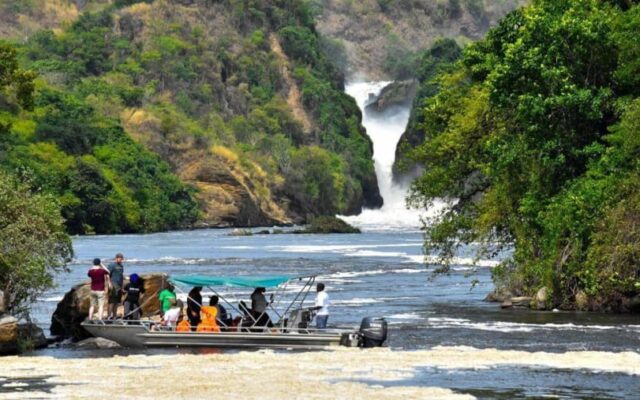
- Murchison Falls National Park — largest park; major Nile savannah herds
- Kidepo Valley National Park — remote stronghold in the northeast
- Lake Mburo National Park — accessible acacia grasslands
These parks provide anti-poaching patrols, fire management, research access, and tourism revenue that justifies land set aside for wildlife.
Threats Outside the Park Fence
Where savannah is converted to farmland or settlement, kob disappear. Snaring and bushmeat poaching target kob on open plains where animals are exposed. Livestock incursion competes for grass and brings disease risk. Boundary enforcement and community benefit programmes — revenue sharing, employment in lodges and guiding — remain central to keeping human pressure sustainable.
Ecological Role — More Than a Pretty Antelope
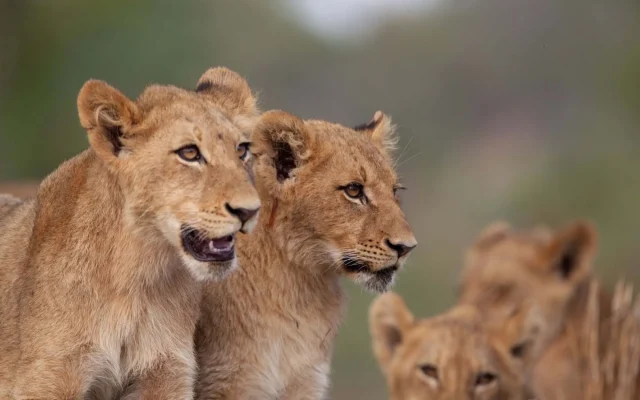
Kob are a keystone prey species for lions in Queen Elizabeth and Murchison. Declining kob would cascade into predator decline, scavenger stress, and altered grazing dynamics. Savanna burns, grass height, and tree encroachment all shift when large grazers change in abundance.
Conserving kob is conserving the predator–prey theatre that sells Uganda as a complete safari destination — not only a gorilla add-on.
Lek Site Protection
Traditional breeding grounds are cultural and biological landmarks. Fragmenting a lek plain with roads, structures, or unmanaged disturbance can displace males and reduce mating success. Park planning that respects lek fidelity is a specialised but important conservation requirement born directly from Uganda's research legacy on kob behaviour.
Tourism as Conservation Finance
Every park entrance fee, game-drive vehicle, and lodge night feeds a system that pays rangers and supports communities. Kob are often the first animals visitors photograph — an entry point to caring about savannah protection. Choosing licensed operators and official park access routes ensures fees reach the system that protects herds.
Research and Monitoring
Long-term studies linking kob distribution to grass quality, predation, and rainfall continue to inform management in Queen Elizabeth and beyond. Aerial surveys, ground counts, and collaring programmes (where used) help managers detect declines before they become crises.
Regional Context
Uganda kob also occur in South Sudan and northeastern DRC, where conflict and weak protection can threaten connectivity. Transboundary cooperation matters for genetic exchange, though Uganda's internal parks remain the tourism and conservation anchor most travellers can support directly.
What Travellers Can Do
- Book safaris through licensed Ugandan operators
- Follow park rules on tracks, speed, and wildlife distance
- Avoid disturbing leks during breeding displays
- Share conservation-minded storytelling that goes beyond trophy photos
- Combine gorilla tourism with savannah days so park revenue diversifies
Outlook
Historical Recovery Context
Uganda's savannah parks suffered heavy wildlife declines in the 1970s and 1980s. Recovery since then — through Uganda Wildlife Authority management, transboundary cooperation, and tourism reinvestment — restored kob herds that now symbolise national renewal as much as abundance. Seeing thousands of kob on the Kasenyi Plains is itself a conservation outcome worth sharing with travellers.
Community Benefits
Revenue-sharing programmes channel a portion of park fees to neighbouring districts for schools, roads, and health projects. Lodge employment and guiding careers tie local livelihoods to living kob. When communities benefit from wildlife, tolerance for park boundaries strengthens — a social layer as important as anti-poaching patrols.
With continued park investment, community engagement, and responsible tourism growth, Uganda kob should remain a confident symbol on the coat of arms and on the plains — not a historical emblem of what was lost. Plan a visit that supports that outcome via our Uganda safaris hub and seasonal planning guide.