Best time to see uganda kob — expert Uganda safari guide from local planners who know permits, parks, and realistic routing.
Uganda kob can be seen year-round in the country's savannah parks, but timing shapes the experience — from grass height and herd dispersion to lek activity and lion hunting success. Use this guide alongside where to see Uganda kob and safari experiences to match seasons with your photography and wildlife priorities.
Year-Round Viewing
Unlike migratory species that vanish seasonally, kob remain resident within their park ranges. Any month can deliver herd sightings on game drives in Queen Elizabeth, Murchison Falls, Kidepo, and Lake Mburo. The question is not whether you will see kob, but how dramatic the context will be — rut displays, predator chases, calf season, or golden dry-season light.
Dry Seasons — Best for General Safari
Uganda's main dry windows — broadly June to September and December to February — generally offer:
- Shorter grass and easier wildlife visibility
- Herds concentrating near water
- More predictable game-drive conditions on murram tracks
- Higher lion activity around kob at dawn
- Clearer photography with less overcast haze
For first-time visitors wanting classic savannah scenes — kob, lion, buffalo, elephant on open plains — dry months are the safest bet.
Wet Seasons — Green Plains and Calving
Rainy periods (roughly March–May and October–November in much of western Uganda) bring lush scenery, fewer vehicles in some parks, and fresh grass spread across larger areas. Kob disperse more widely, which can mean longer searches but beautiful emerald backdrops.
Calving often peaks toward the end of rains, when females drop calves onto regenerating plains — a vulnerable but photogenic season if approached ethically and from distance.
Best Time for Lek Displays
Lek rutting intensity tracks rainfall and female receptivity rather than a fixed calendar date. In Queen Elizabeth and Murchison ecosystems, breeding activity often builds when grass quality supports female condition — frequently around transitions between wet and dry periods.
If lek displays are a priority:
- Ask your operator about recent ranger reports from Kasenyi or Murchison leks
- Schedule dawn drives when males are most active on territory
- Allow multiple mornings — lek behaviour varies day to day
- Read our behaviour guide before you travel
Time of Day
Dawn is prime: kob graze actively, lions hunt, light is soft. Late afternoon offers a second feeding peak and warm tones for photography. Midday heat pushes kob into rest mode — less dynamic, though herds remain visible.
Monthly Planning Snapshot
June–September
Peak tourism and excellent visibility; book lodges early. Kasenyi lion–kob interaction at sunrise is a highlight.
December–February
Second dry window; strong game viewing and holiday-season demand — plan ahead.
March–May
Long rains; greener landscapes, some track challenges, rewarding for experienced safari travellers who value atmosphere over convenience.
October–November
Shorter rains; variable skies but often good value and active birdlife alongside kob herds.
Park-Specific Notes
Queen Elizabeth: Kasenyi reliable year-round; dry months best for predator drama.
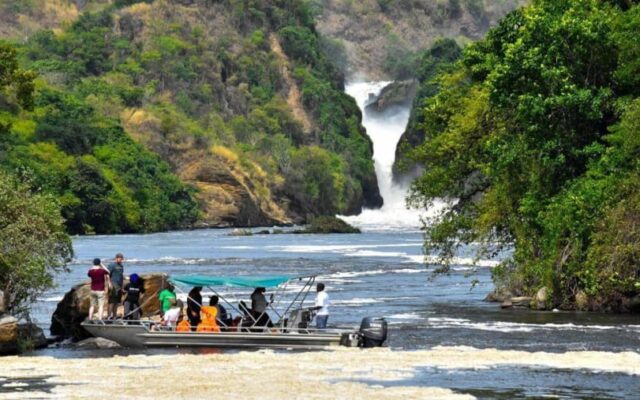
Murchison: Nile herds concentrate in dry season near water.
Kidepo: Drier climate; kob viewing excellent much of the year with heat midday.
Lake Mburo: Compact; good even on short 1-night stops any month.
Photography Timing
Shoot at golden hour for coat colour; use fast shutter for alarm flight shots; respect distance at leks. Dust filters matter on dry-season tracks.
Combining With Other Wildlife Seasons
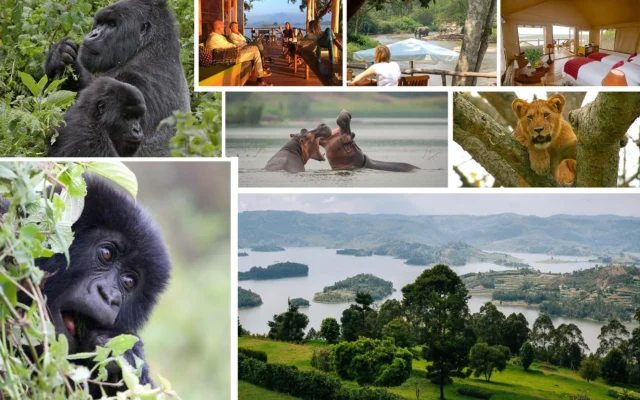
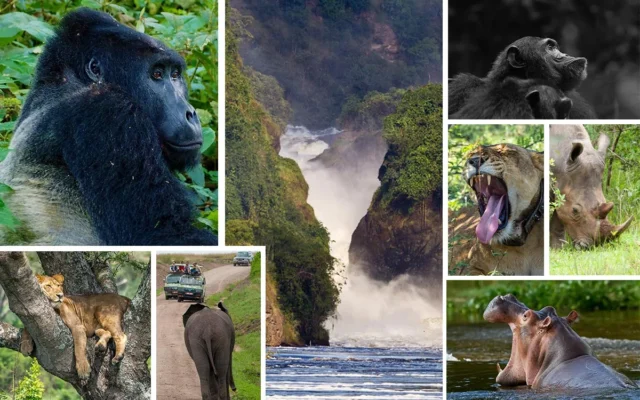
Gorilla trekking is year-round; chimpanzee tracking similar. Pair dry-season savannah days with primate treks for comfort on roads and trails. See Uganda safari packages for combined circuits.
Family and First-Time Safari Timing
Families and first-time visitors often prefer dry-season travel when roads are firmer and afternoon showers less frequent. Kob herds are active at dawn when children are often freshest for vehicle outings — plan one early drive, a midday lodge break, and optional channel boat in Queen Elizabeth rather than stacking multiple long sessions.
Birding and Kob Seasons
Birders sometimes target wetter months for migrants and breeding plumage while still enjoying kob on plains edges. Kasenyi and Murchison wetlands hold waterbirds alongside grazing antelope — a single morning can combine shoebill or stork targets (where seasonal) with kob photography on the open grass behind papyrus fringes.
Booking Lead Times
June–September and December–February lodge space near Queen Elizabeth and Murchison fills early. If you are travelling for kob and lions at peak season, confirm vehicles and park-sector lodges several months ahead — especially for Ishasha tree-lion combinations.
Bottom Line
Visit any time for kob herds; choose dry seasons for easiest all-round viewing and lek transitions for breeding spectacle. Your guide's local knowledge on the day matters as much as the month — especially for lions hunting kob at first light on the Kasenyi Plains.