
Uganda Kob FAQs and Answers — quick answers on biology, national symbolism, lek behaviour, parks, predators, and safari planning. Explore where to see Uganda kob, behaviour, best time to visit, and safari experiences — or request a quote for a tailored savannah itinerary.
- What is the Uganda kob?
The Uganda kob (Kobus kob thomasi) is a medium-sized antelope and a subspecies of the kob. It is Uganda's national antelope, appears on the national coat of arms, and is one of the most common and visible grazers on savannah game drives in Queen Elizabeth, Murchison Falls, Kidepo, and Lake Mburo national parks.
- Why is the Uganda kob on the coat of arms?
On Uganda's coat of arms, the kob stands opposite the crested crane as a symbol of abundant wildlife — the natural heritage the country protects through national parks and Uganda Wildlife Authority management. It represents savannah ecosystems as much as the crane represents wetlands and highlands.
- What is a lek and how do Uganda kob use leks?
A lek is a traditional breeding ground where male kob defend small clustered territories and display to visiting females. Females graze in separate herds and choose mates on the lek — one of the most studied mating systems in African antelopes. See our Uganda kob behaviour guide for display types and viewing ethics.
- Where is the best place to see Uganda kob?
The Kasenyi Plains in Queen Elizabeth National Park offer some of the highest kob densities in East Africa. Murchison Falls, Kidepo Valley, and Lake Mburo are also excellent. Compare parks on our where to see Uganda kob page.
- What do Uganda kob eat?
Uganda kob are selective grazers that feed mainly on short, green grasses and some herbs. Their preference for freshly regrown plains often brings them into open areas where lions hunt — linking diet directly to predator tourism on the Kasenyi Plains. More detail on our Uganda kob diet page.
- How big is a Uganda kob?
Males stand roughly 90–100 cm at the shoulder and weigh about 90–100 kg. Females are smaller, around 80–90 cm tall and 60–75 kg. Males carry distinctive lyre-shaped horns; females are hornless.
- How fast can a Uganda kob run?
Uganda kob can sprint at speeds approaching 60 km/h when fleeing predators — a necessary adaptation on open savannah where cover is limited and lions rely on ambush at close range.
- Are Uganda kob endangered?
The kob species is classified Least Concern by the IUCN. Uganda kob remain abundant inside national parks, though they depend heavily on protected areas. Threats outside parks include habitat loss and poaching. Read our conservation page for context.
- What predators hunt Uganda kob?
Lions are the primary predator in Queen Elizabeth and Murchison, with leopard and spotted hyena taking calves and weaker animals. The kob–lion relationship on the Kasenyi Plains is one of Uganda's signature predator–prey stories.
- When is the best time to see Uganda kob?
Kob can be seen year-round. Dry seasons (June–September and December–February) generally offer the best visibility and predator activity. Lek displays peak around breeding periods tied to rainfall — see best time to see Uganda kob.
- Can you see lek displays on a normal safari?
Yes, during the rut if your guide knows active lek sites — especially on the Kasenyi Plains or Murchison grasslands. Schedule dawn game drives and ask your operator to align dates with breeding season reports from park rangers.
- How do Uganda kob differ from impala?
Both are savannah antelopes, but impala males defend territories around female herds, while Uganda kob use lek breeding on traditional grounds. Impala are common in Lake Mburo; kob dominate the larger western and northern savannah parks.
- How long is Uganda kob pregnancy?
Gestation lasts roughly eight to nine months, with a single calf usually born toward the end of the rainy season when grass quality supports lactating females.
- What habitat do Uganda kob prefer?
Open savannah grassland and acacia–grass mosaics within reach of water — especially short, green plains maintained by grazing, fire, and seasonal flooding. Full ecology on our habitat guide.
- Do Uganda kob live in herds?
Yes. Females and young form fluid herds that shift with grass quality and predation. Males gather on leks during breeding or move in bachelor groups elsewhere. Herds of hundreds are common on the Kasenyi Plains.
- Which Uganda safaris include Uganda kob viewing?
Any savannah itinerary visiting Queen Elizabeth, Murchison Falls, Kidepo, or Lake Mburo includes kob. Browse Uganda kob safaris and Uganda safari packages for routes.
- Can I combine gorilla trekking with Uganda kob safaris?
Absolutely — one of Uganda's strengths is combining Bwindi gorilla trekking with Queen Elizabeth or Lake Mburo savannah days where kob herds are abundant. Most classic 7–10 day circuits include both ecosystems.
- Why are Uganda kob important for lions in Queen Elizabeth?
Kob are the primary prey base on the Kasenyi Plains. High kob density supports lion prides, which makes Queen Elizabeth one of Uganda's best predator parks — a direct link between antelope ecology and safari experience.
- What is the scientific name of the Uganda kob?
Kobus kob thomasi — the Thomas kob subspecies of the kob antelope (Kobus kob), named within the reduncine tribe of water-associated grazing antelopes.
- How can tourists help Uganda kob conservation?
Book through licensed operators, pay official park fees, follow track rules, avoid disturbing leks, and choose itineraries that include savannah parks — diversifying tourism revenue beyond gorillas alone. Tourism helps fund rangers who protect the plains kob depend on.
Safari packages to see Uganda Kob
Bookable itineraries below include parks and activities where you are most likely to encounter Uganda Kob in the wild.
 Best
Seller
Best
Seller
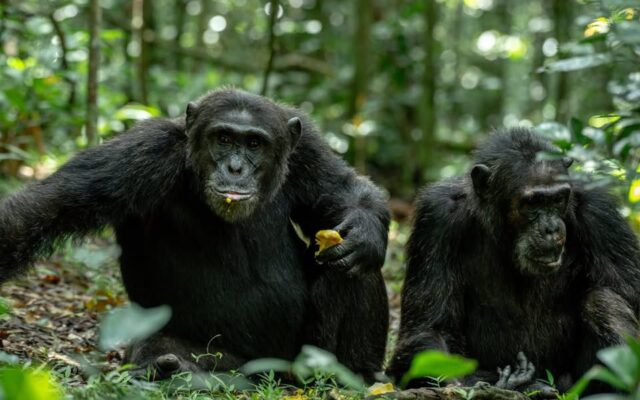
6 Days Uganda Gorillas, Chimpanzees & Wildlife Safari
You visit
Kibale Forest, Queen Elizabeth NP, Bwindi Forest, Entebbe
Primates plus plains in six days: Kibale chimps, Queen Elizabeth savannah, Bwindi gorillas and a Lake Mburo finale for zebra — the full Uganda highlight reel without rushing Kidepo or Murchison.
 Best
Seller
Best
Seller
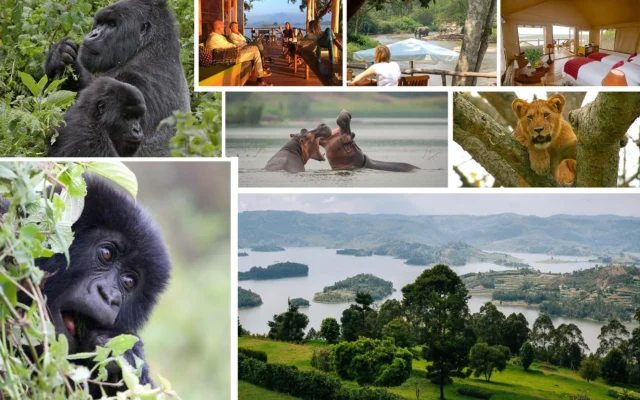
7 Day Uganda Wildlife & Gorilla
You visit
Murchison Falls, Kibale Forest, Queen Elizabeth NP, Bwindi Forest, Entebbe
Seven days with gorillas: the wildlife tour above plus Bwindi trekking on Day 6 — the single most booked private itinerary for Uganda Safari Tours guests who want chimps, savannah and gorillas in one…
3 Day Murchison Falls Safari
You visit
Murchison Falls, Entebbe
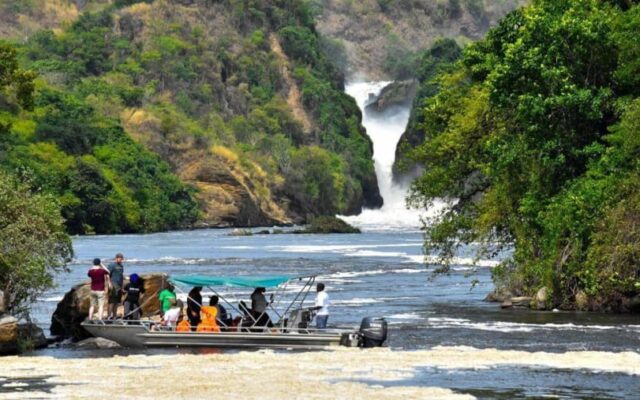
Our classic 3-day Murchison Falls safari follows the park’s most proven circuit: dramatic falls, savannah game drives north of the Nile, and the famous boat trip where the river narrows below the casc…
18 Days Uganda Wildlife Safari
You visit
Entebbe (Start, End)
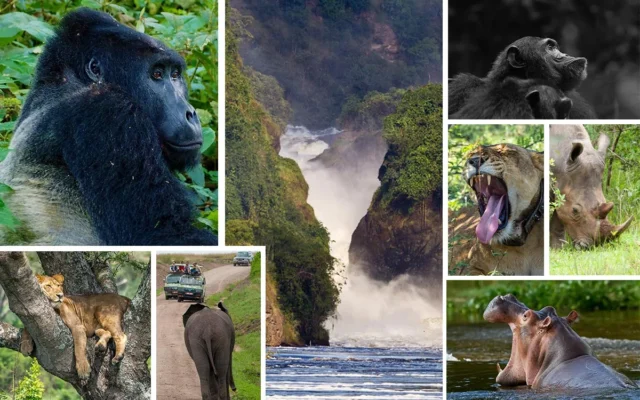
The ultimate 18-day Uganda wildlife safari — every savannah park, both chimp forests, gorillas, and the remote northeast. After Murchison and Kidepo, the route sweeps through Kibale, Queen Elizabeth,…