Best time to see olive baboon — expert Uganda safari guide from local planners who know permits, parks, and realistic routing.
Olive baboons can be seen year-round in Uganda's national parks, but season, time of day, and breeding calendar all shape encounter quality. Dry months concentrate troops near water and roadsides; dawn and dusk deliver movement peaks as baboons transition between sleeping cliffs and feeding grounds. This guide covers monthly patterns at Murchison Falls, Queen Elizabeth, Kibale, and other parks — linked to where to see olive baboons, behaviour, and safari planning.
Year-Round Availability
Unlike migratory species or permit-limited primates, olive baboons are resident. Troops do not leave Uganda parks seasonally. Any month delivers sightings on standard game drives and forest approaches. The question is not whether you will see baboons on a Murchison or Queen Elizabeth itinerary, but how active, visible, and photographically rewarding those encounters will be.
Travellers pairing baboon viewing with gorilla or chimpanzee trekking should align primate permit dates with dry-season windows when forest trails and savannah tracks are easiest — baboon quality improves alongside general safari conditions.
Dry Seasons: June to September and December to February
Uganda's two dry seasons are the peak safari window for most visitors — and for baboon viewing. Reduced rainfall firms game-drive tracks, thins undergrowth slightly, and concentrates herbivores and primates near remaining water. Baboon troops in Murchison follow predictable Nile-margin routes; Queen Elizabeth troops gather at crater lakes and Kazinga approaches; Kibale forest-edge troops raid visible crop margins more aggressively when wild fruit declines.
Advantages of Dry-Season Viewing
- Firmer roads on northern Murchison and Ishasha tracks
- Concentrated activity near rivers, lakes, and waterholes
- Clearer sight lines through woodland for photography
- Dawn descent from sleeping cliffs highly visible
- Overlap with peak gorilla and chimp trekking demand
Dry-Season Considerations
Dust on tracks, hotter midday temperatures, and higher tourist volumes are trade-offs. Schedule dawn and late-afternoon drives for baboon activity; rest or boat-cruise during midday heat when troops shade-groom with less movement.
Wet Seasons: March to May and October to November
Rainy months bring lush grass, abundant insects, and fruiting trees — excellent for baboon nutrition but sometimes harder for visitors. Tracks soften in low-lying Queen Elizabeth sectors; forest trails at Kibale become muddy. Baboons remain active, but troops spread across larger foraging areas rather than concentrating at dry-season water points.
Advantages of Wet-Season Viewing
- Green landscapes and dramatic skies for photography
- Juvenile play peaks when food is abundant
- Lower lodge prices and fewer vehicles on tracks
- Fruit foraging behaviour visible in forest-edge parks
Wet-Season Considerations
Pack waterproof layers for Kibale and Bwindi approaches. Allow extra road time on Ishasha and Murchison northern bank routes. Baboon sightings remain frequent — plan around trail conditions rather than species presence.
Time of Day
Dawn (6:00–9:00)
The premier baboon window. Troops descend from sleeping cliffs and tall trees, cross roads in large columns, and begin intensive morning foraging. Murchison Paraa drives and Queen Elizabeth Kasenyi starts at dawn routinely intercept troops in golden light. Guides prioritise early departures for this reason.
Midday (11:00–14:00)
Activity slows as heat rises. Troops rest in shade, groom extensively, and nurse infants. Behavioural observation — grooming alliances, rank displays — often peaks even when movement slows. Photographers who want social interaction over action shots should not skip midday pauses.
Late Afternoon (15:00–18:00)
Afternoon foraging resumes as temperatures fall. Troops move toward sleeping sites; sentinel behaviour intensifies near dusk as leopard risk rises. Ishasha and Murchison afternoon drives deliver strong sightings en route to sundowner viewpoints.
Breeding Season and Social Drama
Female olive baboons cycle year-round with birth peaks often tied to rainfall and food abundance. When multiple females enter oestrus simultaneously, male competition escalates — fights, chasing, and vocal displays increase. Immigrant males challenge residents; infants face elevated risk during male turnover.
There is no single Uganda-wide rut month, but dry-season concentrations of reproductive activity are commonly reported by Murchison and Queen Elizabeth guides. Travellers interested in social drama should ask locally about recent troop dynamics when booking drives.
Monthly Overview
- January–February: Dry; excellent dawn drives; peak tourism
- March–May: Long rains; lush habitat; muddy trails in places
- June–August: Dry; prime safari season; strong baboon road crossings
- September: Transition; often still dry; good viewing continues
- October–November: Short rains; green season; fewer crowds
- December: Dry holiday season; book lodges early
Park-Specific Timing Notes
Murchison Falls
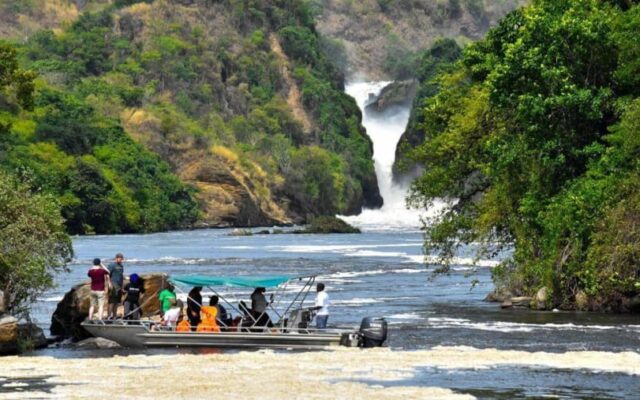
Dawn northern bank drives after overnight escarpment sleep. Nile boat cruises at midday complement morning baboon activity. Dry season June–September is peak.
Queen Elizabeth
Ishasha dawn for troops and lions. Kazinga afternoon boat pairs with Mweya peninsula baboon activity. Avoid flooded Kasenyi sections after heavy rain.
Kibale
Arrive before chimp briefing for forest-road troops. Bigodi morning walks combine baboon and monkey viewing. Dry seasons ease forest trail mud.
Lake Mburo and Kidepo
Compact Mburo suits half-day stops any month. Remote Kidepo rewards dry-season access when roads are reliable.
Photography Tips
- Telephoto 200–400 mm for portraits without close approach
- Dawn side-lighting on Murchison escarpment roads
- Fast shutter for juvenile play and road crossings
- Never use flash at close range — stresses animals
- Wind down windows only when troops are distant and rangers approve
Combining with Gorilla and Chimp Permits
Book primate permits for dry-season dates when possible — forest treks and savannah baboon drives both benefit. Western circuits linking Bwindi, Queen Elizabeth, and Kibale deliver baboons on travel days between flagship treks. See gorilla trekking and chimpanzee trekking guides for permit timing.
Planning Your Visit
Prioritise dawn drives, dry-season roads, and multi-park circuits via olive baboon safaris and Uganda safari packages. Match park selection to your broader itinerary — baboons will be there; timing determines how memorably you see them.