
Nile Crocodile FAQs and Answers — quick reference for biology, boat safaris, safety, and planning on the Victoria Nile and Kazinga Channel. Explore where to see Nile crocodiles, best time to visit, and essential facts — or request a quote for live itinerary help.
- What is a Nile crocodile?
The Nile crocodile (Crocodylus niloticus) is Africa's largest freshwater crocodilian and a widespread predator across sub-Saharan rivers, lakes, and swamps. In Uganda, it is most famously seen on boat safaris along the Victoria Nile in Murchison Falls National Park and the Kazinga Channel in Queen Elizabeth National Park.
- How large do Nile crocodiles grow?
Adult male Nile crocodiles commonly reach 3.5 to 5 metres and weigh 225 to 750 kilograms. Exceptional individuals can exceed 6 metres and approach one tonne. See more on our Nile crocodile facts page.
- Are Nile crocodiles dangerous?
Nile crocodiles are powerful wild predators and must be treated with respect. On regulated boat safaris, visitors remain seated inside licensed vessels at safe distances. Never trail limbs in water or approach banks on foot near nesting sites.
- Where can I see Nile crocodiles in Uganda?
The best places are Murchison Falls National Park (Victoria Nile launch) and Queen Elizabeth National Park (Kazinga Channel cruise). Compare both on our where to see Nile crocodiles guide.
- Are crocodiles found in Murchison Falls National Park?
Yes. Nile crocodiles are commonly observed along Victoria Nile sandbanks during afternoon boat cruises from Paraa toward the base of Murchison Falls — one of Uganda's signature reptile experiences.
- Are crocodiles found in Queen Elizabeth National Park?
Yes. The Kazinga Channel supports reliable Nile crocodile sightings alongside dense hippo pods, elephants, buffalo, and outstanding birdlife on standard two-hour boat safaris from Mweya.
- Can I see crocodiles during the boat safari?
Yes. Nile crocodiles are among the most frequently seen animals on Victoria Nile and Kazinga Channel launches. Afternoon departures often align with peak basking on sunny sandbars.
- What do Nile crocodiles eat?
Nile crocodiles eat fish, waterbirds, amphibians, and mammals that visit the water's edge, and they scavenge carrion. They are ambush predators and important wetland scavengers. Read our diet guide for detail.
- How long do Nile crocodiles live?
Wild Nile crocodiles may live 50 to 70 years or more under favourable conditions. Large individuals on the Victoria Nile are often long-established territorial animals.
- Are Nile crocodiles endangered?
Globally they are listed as Least Concern, but local populations face habitat change and historical decline. Murchison research documents lower abundance today than in the 1960s. Learn more on our conservation page.
- What is the best time to see Nile crocodiles in Uganda?
Crocodiles can be seen year-round. Dry seasons (June–September, December–February) concentrate animals on exposed sandbars. Afternoon launches offer peak basking. See our best time to see guide.
- Why do crocodiles bask with their mouths open?
Open-mouth basking on hot afternoons primarily aids thermoregulation — releasing excess heat — rather than signalling imminent attack. Guides on Murchison and Kazinga launches interpret this behaviour daily.
- Do Nile crocodiles live with hippos?
Yes. Hippos and crocodiles share the Victoria Nile and Kazinga Channel. Adults generally coexist warily; guides narrate their interactions on every cruise. Explore behaviour for more.
- When do Nile crocodiles nest in Uganda?
Females nest in sandy banks near water. Murchison surveys recorded heightened nesting visibility from late year into the first quarter, overlapping the January–March sighting peak. Nesting females are protective — boats maintain distance.
- How close do boats get to crocodiles?
Licensed launches approach within good viewing range while keeping passengers seated inside the vessel. Guides cut engines to drift past basking animals. Exact distance varies with bank conditions and park guidance.
- Can children join crocodile boat safaris?
Yes. Kazinga and Victoria Nile cruises use seated boats with life jackets and are popular with families. Children must follow guide instructions and keep limbs inside the boat at all times.
- What should I bring on a crocodile boat safari?
Bring sun protection, water, binoculars, and a telephoto camera if photographing. A polarizing filter reduces water glare on scales. Neutral-coloured clothing is fine; stability matters more than camouflage on boats.
- Murchison Nile cruise or Kazinga Channel — which is better for crocodiles?
Both are excellent. Murchison offers dramatic Nile scenery toward the falls; Kazinga often feels more concentrated per kilometre with hippos and elephants at arm's length. Ideal itineraries include both — compare on where to see.
- Can Nile crocodile safaris combine with gorilla trekking?
Yes. Classic 10–14 day Uganda routes pair Murchison or Queen Elizabeth boat days with Bwindi gorillas and Kibale chimps. Browse Uganda safari packages or request a quote.
- How do boat safaris help crocodile conservation?
Park entry and launch fees fund rangers, anti-poaching, and community programmes in Murchison and Queen Elizabeth. Responsible tourism supports the protected waterways crocodiles depend on.
- What is the scientific name of the Nile crocodile?
Crocodylus niloticus — the Nile crocodile, Africa's largest freshwater crocodilian and a flagship reptile of Uganda's great boat routes.
- Are there crocodiles elsewhere in Uganda?
Nile crocodiles occur in other lakes and rivers, but Murchison and Queen Elizabeth offer the most reliable infrastructure and encounter rates for tourists. See our habitat guide.
- Is it safe to swim near Nile crocodiles?
No. Swimming in crocodile habitat is extremely dangerous and prohibited in park waterways. All viewing should be from licensed boats or designated viewpoints with guide supervision.
- What safari styles include Nile crocodile boat cruises?
Luxury, mid-range, budget, private, group, and fly-in Uganda safaris routinely include Victoria Nile or Kazinga launches. Compare styles via midrange and luxury travel guides.
- Why are Nile crocodiles important to ecosystems?
As apex predators and scavengers, they regulate prey populations and recycle nutrients through wetland food webs. Their presence indicates productive fisheries and healthy mammal visitation at water sources.
Safari packages to see Nile Crocodile
Bookable itineraries below include parks and activities where you are most likely to encounter Nile Crocodile in the wild.
 Best
Seller
Best
Seller
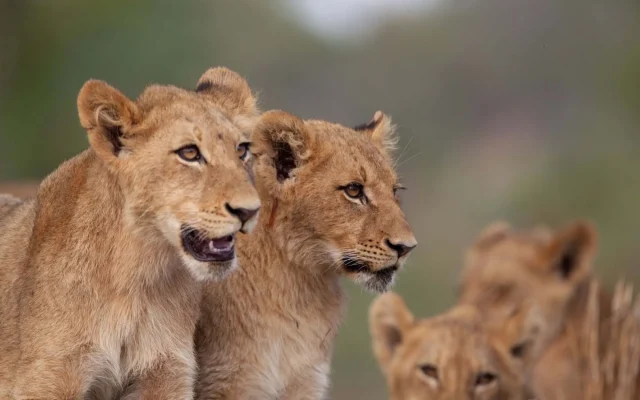
7 Day Uganda Wildlife & Gorilla
You visit
Murchison Falls, Kibale Forest, Queen Elizabeth NP, Bwindi Forest, Entebbe
Seven days with gorillas: the wildlife tour above plus Bwindi trekking on Day 6 — the single most booked private itinerary for Uganda Safari Tours guests who want chimps, savannah and gorillas in one…
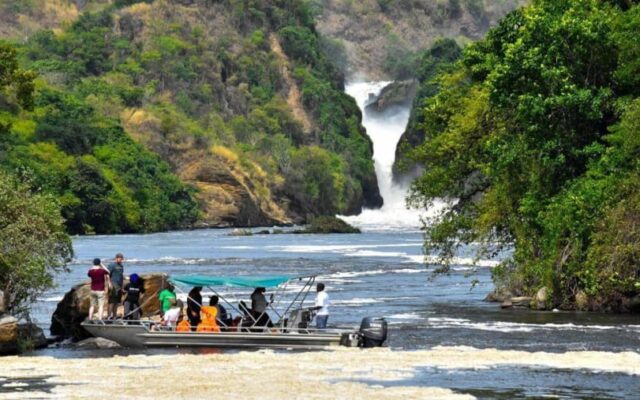
3 Day Murchison Falls Safari
You visit
Murchison Falls, Entebbe
Our classic 3-day Murchison Falls safari follows the park’s most proven circuit: dramatic falls, savannah game drives north of the Nile, and the famous boat trip where the river narrows below the casc…
 Best
Seller
Best
Seller
6 Days Uganda Gorillas, Chimpanzees & Wildlife Safari
You visit
Kibale Forest, Queen Elizabeth NP, Bwindi Forest, Entebbe
Primates plus plains in six days: Kibale chimps, Queen Elizabeth savannah, Bwindi gorillas and a Lake Mburo finale for zebra — the full Uganda highlight reel without rushing Kidepo or Murchison.
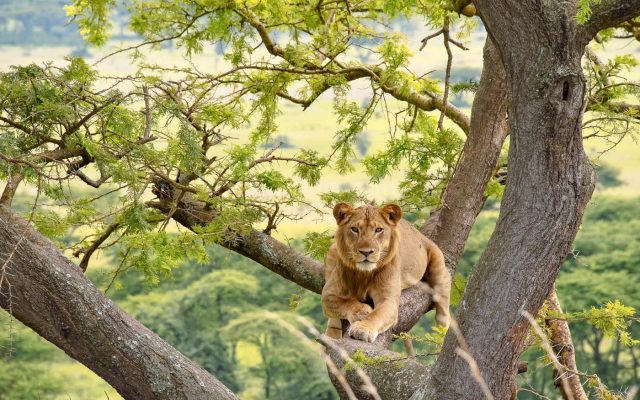
10 Day Ultimate Uganda Safari
You visit
Murchison Falls, Kibale Forest, Queen Elizabeth NP, Bwindi Forest, Lake Bunyonyi, Entebbe
Our 10-day ultimate Uganda safari distils the country’s greatest hits into a tight, logical loop: rhinos on foot at Ziwa, Nile wildlife at Murchison Falls, chimps in Kibale, savannah and boat safari i…