The Nile crocodile is Africa’s largest freshwater predator and one of the most arresting reptiles travelers encounter on Uganda’s classic boat safaris. Armoured, patient, and deceptively still on sun-warmed banks, Crocodylus niloticus brings a primal dimension to Victoria Nile cruises in Murchison Falls National Park and shoreline drifts along the Kazinga Channel in Queen Elizabeth National Park.
Unlike terrestrial game drives where wildlife appears across open plains, crocodile encounters unfold at the waterline — exactly where regulated launches are designed to travel. The result is close, seated observation of animals that have changed little since the age of dinosaurs, framed by hippos, elephants, buffalo, and some of East Africa’s richest birdlife.
What Is a Nile Crocodile?
The Nile crocodile (Crocodylus niloticus) is a large crocodilian native to freshwater habitats across sub-Saharan Africa. It is the continent’s most widespread crocodile species and among the largest living reptiles anywhere.
- Kingdom: Animalia
- Phylum: Chordata
- Class: Reptilia
- Order: Crocodilia
- Family: Crocodylidae
- Genus: Crocodylus
- Species: Crocodylus niloticus
Physical Characteristics
Nile crocodiles combine prehistoric anatomy with refined ambush capability.
Size and Weight
Adult males commonly measure 3.5 to 5 metres and weigh 225 to 750 kilograms. Exceptional individuals exceed 6 metres and approach one tonne. Along Uganda’s Victoria Nile, four-metre animals are regularly photographed from boat decks.
Armoured Skin
Osteoderms — bony plates within the skin — reinforce the dorsal surface. This armour protects against territorial rivals and contributes to the reptile’s iconic textured appearance in afternoon light.
Jaws and Bite Force
Interlocking teeth and massive jaw muscles generate one of the strongest bites among living animals. Boat passengers see the closed-mouth stillness of basking adults; the explosive strike usually occurs away from tourist routes.
Tail and Locomotion
The muscular tail powers swift underwater swimming and propels the famous high walk on land — a raised gait visible on exposed sandbars.
Where Nile Crocodiles Live
Nile crocodiles inhabit rivers, lakes, swamps, and floodplain edges across much of sub-Saharan Africa. They require year-round water, sun-exposed basking sites, and sandy nesting banks.
Victoria Nile, Murchison Falls National Park
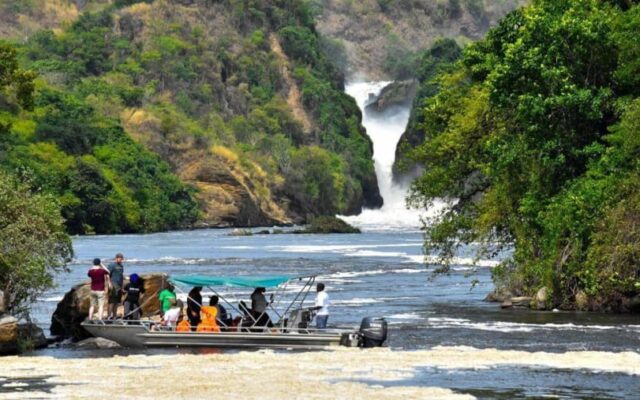
Uganda’s most celebrated crocodile habitat. Afternoon launches from Paraa travel upstream toward Murchison Falls, passing sandbars where crocodiles bask in plain view.
Kazinga Channel, Queen Elizabeth National Park
A 32-kilometre waterway linking Lakes George and Edward. Channel cruises rank among Africa’s densest hippo-and-crocodile spectacles — all from a stable seated vantage.
Habitat and Ecosystem
Nile crocodiles occupy the apex predator niche in wetland food webs. They hunt fish, birds, and mammals at the water’s edge and scavenge carrion that recycles nutrients through the system.
Key habitat elements include:
- Permanent freshwater channels
- Sandbars and muddy points for thermoregulation
- Sandy nest sites above flood level
- Abundant fish and drinking wildlife
- Protected status within national parks
Explore our habitat guide for Uganda-specific detail.
Behaviour and Social Life
Nile crocodiles spend long periods basking — essential for digestion and metabolism in an ectothermic animal. Territorial males defend prime riverbank stretches; females guard nests on sandy shores during breeding peaks.
Common behaviours visible on boat safaris:
- Midday basking with jaws agape for cooling
- Submerged patrol with eyes at water level
- Slide-entry escape when boats approach too quickly
- High walk across exposed sandbars
Diet and Hunting
Nile crocodiles are ambush predators and opportunistic scavengers. Fish sustain many populations; large adults can overpower substantial mammals at drinking sites. Uganda’s launches reveal feeding habitat even when kills are not witnessed — current seams, bird colonies, and herbivore trails at the bank.
Reproduction and Nesting
Females excavate nest chambers in sandy soil and guard eggs for weeks. Temperature within the nest influences hatchling sex. Nesting visibility in Murchison peaks in late year through the first quarter — a seasonal note for dedicated reptile enthusiasts.
Lifespan
Wild Nile crocodiles may live 50 to 70 years or more when habitat and food remain stable. Large Victoria Nile individuals are often veteran territorial holders.
Conservation Status
Globally listed as Least Concern, the Nile crocodile nevertheless faces local pressures. Research documents declining abundance along Murchison’s Victoria Nile compared with 1960s surveys — underscoring the importance of protected park corridors and responsible tourism revenue.
Read our conservation guide for Uganda context.
Why Nile Crocodiles Matter
Ecologically, crocodiles regulate prey and process carrion. Economically, they anchor boat-safari storytelling that funds park protection. For travelers, they deliver Africa’s most accessible large-reptile encounter without leaving the safety of a licensed launch.
Nile Crocodile Boat Safaris
Boat safaris are the premier way to observe Nile crocodiles responsibly. Victoria Nile launches and Kazinga Channel cruises operate daily under Uganda Wildlife Authority regulation with certified guides.
What Makes Uganda Boat Safaris Unique?
- Two world-class waterways within one itinerary
- Crocodiles alongside hippos, elephants, and exceptional birding
- Seated viewing suitable for families and photographers
- Direct contribution to national park funding
- Expert ranger interpretation of reptile behaviour
Best Places to See Nile Crocodiles in Uganda
Murchison Falls National Park
Ideal for dramatic Nile scenery, falls viewpoints, Rothschild’s giraffe game drives, and delta shoebill extensions.
Queen Elizabeth National Park
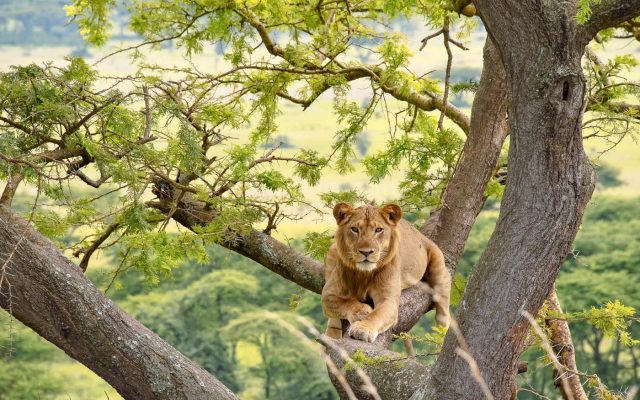
Ideal for channel density, primate combinations, tree-climbing lions, and southwest circuit routing.
Compare parks on our where to see page.
Best Time to See Nile Crocodiles
Crocodiles are viewable year-round. Dry seasons (June–September, December–February) concentrate animals on exposed sandbars. Afternoon launches align with peak basking. See best time to see for monthly detail.
Safari Experiences
- Murchison Nile Boat Safari
- Kazinga Channel Crocodile Cruise
- Luxury Uganda Water Safari
- Classic Uganda Wildlife Safari
- Fly-in Murchison and Queen Elizabeth
Quick Facts
| IUCN | Least Concern globally |
|---|---|
| Uganda highlights | Victoria Nile, Kazinga Channel |
| Best viewing | afternoon boat safaris |