Related cultural guides
- Uganda Cultural Tours: Complete Guide to Authentic Cultural Experiences in the Pearl of Africa
- Uganda Traditional Dance Tours: Experience the Rhythms, Music & Cultural Performances of Uganda
- Uganda Music and Dance Experiences: Vibrant Cultural Performances and Traditional Heritage
- Uganda Food Tours: Discover the Culinary Heritage of the Pearl of Africa
- Uganda Culinary Tours: Discover the Authentic Flavors of the Pearl of Africa
- All Uganda cultural guides →
Introduction: Experience Authentic Cultural Celebrations in the Pearl of Africa
Uganda Traditional Ceremony Tours offer travelers a rare opportunity to witness and participate in authentic cultural ceremonies that reflect the country’s rich ethnic diversity. These ceremonies include royal events, initiation rites, weddings, harvest celebrations, and community rituals that are still actively practiced in many Ugandan communities.
These tours provide deep cultural immersion beyond standard sightseeing, allowing visitors to engage with living traditions and heritage celebrations.
What Are Uganda Traditional Ceremony Tours?
Uganda Traditional Ceremony Tours are guided cultural experiences focused on attending or observing real-life ceremonies within local communities or kingdoms.
These tours typically include:
- Attendance at cultural festivals and royal events.
- Participation in traditional dances and music ceremonies.
- Visits to ceremonial sites and cultural grounds.
- Interaction with elders and cultural leaders.
- Storytelling and interpretation of rituals.
Why Choose Uganda Traditional Ceremony Tours?
- Authentic cultural immersion experiences.
- Opportunity to witness living traditions.
- Deep understanding of Ugandan heritage and customs.
- Engagement with local communities and leaders.
- Unique photographic and storytelling opportunities.
Major Traditional Ceremonies in Uganda
1. Buganda Kingdom Ceremonies
- King’s coronation anniversaries.
- Royal cultural events at the Kabaka’s palace.
- Clan and cultural celebrations.
2. Imbalu Circumcision Ceremony (Bagisu)
A famous initiation ritual in Eastern Uganda marking the transition from boyhood to manhood, celebrated with traditional dances and public ceremonies.
3. Karamojong Cultural Ceremonies
- Traditional cattle blessing rituals.
- Warrior dances and community gatherings.
- Ritual celebrations of livestock and heritage.
4. Ankole Cultural Events
- Traditional marriage ceremonies.
- Cattle culture celebrations.
- Harvest and thanksgiving rituals.
5. Acholi Cultural Ceremonies
- Peace and reconciliation rituals.
- Traditional music and dance festivals.
- Community celebration events.
What to Expect on Ceremony Tours
- Vibrant traditional music and dance performances.
- Colorful cultural attire and displays.
- Storytelling by elders and cultural custodians.
- Ritual demonstrations and participation opportunities.
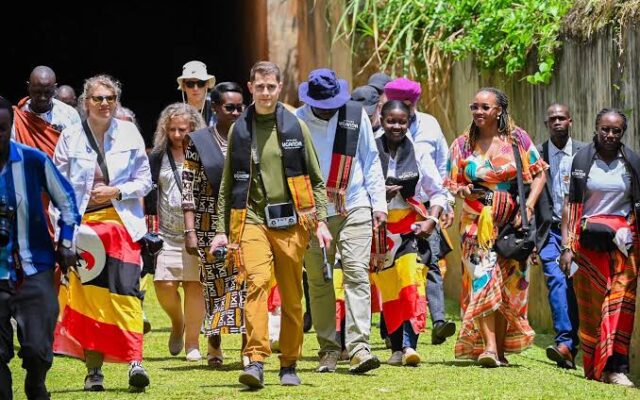
- Community celebrations and feasting experiences.
Cultural Importance of Ceremonies in Uganda
- Preserve traditional beliefs and customs.
- Strengthen community identity and unity.
- Pass cultural knowledge to younger generations.
- Celebrate life milestones and seasonal events.
Best Time for Traditional Ceremony Tours
Ceremonies are event-based, but the best travel periods include:
- June to August (dry season with many cultural festivals).
- December to February (holiday and harvest celebrations).
Cost of Uganda Traditional Ceremony Tours
| Tour Type | Price Range (USD) |
|---|---|
| Half-Day Ceremony Visit | $30 – $80 |
| Full-Day Cultural Ceremony Tour | $80 – $200 |
| Multi-Day Cultural Festival Package | $300 – $1,200+ |
What is Included in Ceremony Tours
- Professional cultural guide services.
- Entry to ceremony grounds (where applicable).
- Cultural interpretation and storytelling.
- Transport to ceremony locations.
Travel Etiquette for Ceremony Tours
- Dress modestly and respectfully.
- Ask permission before photographing people.
- Respect sacred rituals and restricted areas.
- Follow instructions from cultural leaders.
Benefits of Traditional Ceremony Tours
- Deep cultural immersion experience.
- Authentic interaction with local communities.
- Educational understanding of Ugandan traditions.
- Unique cultural photography opportunities.
Frequently Asked Questions
Can tourists attend traditional ceremonies in Uganda?
Yes, many ceremonies allow respectful visitor participation.
Are Uganda ceremonies safe for visitors?
Yes, they are safe when guided by professionals.
Do ceremonies happen year-round?
Some are seasonal, while others occur based on cultural events.
Can I take photos during ceremonies?
Only with permission from cultural leaders or guides.
Conclusion
Uganda Traditional Ceremony Tours offer a powerful and immersive way to experience the living culture of Uganda. These tours allow visitors to witness authentic rituals, celebrations, and traditions that continue to shape community life today.
From royal ceremonies to initiation rituals, Uganda provides unforgettable cultural experiences for curious travelers.
Ceremonies Open to Visitors
Not every ritual welcomes tourists. Public-friendly events include coronation anniversaries, harvest thanksgivings, and some church–traditional fusion festivals. Imbalu initiation among the Bagisu draws crowds in even years on Mount Elgon slopes—logistics and accommodation book early. Royal milestones in Buganda or Toro may offer controlled visitor sections when arranged through kingdom tourism offices.
Funerals, healing rites, and clan secret ceremonies are usually private—ethical operators refuse to barging uninvited. When invited, dress conservatively, silence phones, and follow guide instructions on photography—often banned entirely.
Planning Around Calendar
Ceremony dates shift with lunar calendars and clan decisions—build flexible buffer days rather than fixed “guaranteed” ritual attendance unless confirmed in writing weeks ahead. Combine with heritage tours and kingdom museum visits when a specific ceremony cannot align with your travel window.
Respect and Representation
Avoid treating living ceremonies as theme-park slots. Compensation flows to community hosts, not performers alone, when fees are structured fairly. Discuss expectations with cultural travel specialists before marketing “authentic ceremony” packages to clients.
Interpreter Value
Qualified cultural interpreters translate not only language but symbolism—why a drum rhythm changes, when to stand, when silence is mandatory. Budget for interpreter fees separate from driver-guides who excel on roads but may lack ceremonial vocabulary. Miscommunication at rituals offends more seriously than at casual market visits.
Operator Questions to Ask
Before confirming a cultural itinerary, ask how community fees are distributed, whether visits are capped per day, and who interprets sensitive topics such as displacement or clan conflict. Reputable operators answer plainly and provide association contacts—not vague assurances of “authenticity.” Request sample day timings showing drive hours versus face-to-face community time; cultural tourism should not become windshield tourism with brief photo stops.
 Read