Related seasonal guides
- Best Time to Visit Uganda
- Uganda Safari in January: Complete Guide to Weather, Wildlife, and Best Safari Experiences
- Uganda Safari in February: Complete Guide to Wildlife, Weather, and Best Safari Experiences
- Uganda Safari in April: Complete Guide to Visiting Uganda During the Rainy Season
- Uganda Safari in May: Complete Guide to Peak Rainy Season Wildlife and Birding Experiences
- All seasonal guides →
Introduction: Complete Guide to Early Rainy Season Wildlife and Birding Safaris
Uganda Safari in March marks the beginning of the long rainy season in many parts of Uganda. While rainfall increases, March remains a rewarding month for travelers seeking lush landscapes, fewer crowds, and excellent birdwatching opportunities across Uganda’s national parks.
From the iconic Shoebill Stork in Mabamba Swamp to mountain gorilla trekking in Bwindi Impenetrable National Park and wildlife viewing in Queen Elizabeth National Park, Uganda offers a rich safari experience even during the early wet season.
This guide provides a complete overview of planning a Uganda safari in March, including weather conditions, wildlife highlights, costs, destinations, and travel tips.
Weather in Uganda in March
March is the beginning of the long rainy season in Uganda.
- Daytime temperatures: 24°C–28°C
- Evening temperatures: 16°C–20°C
- Increasing rainfall, especially late in the month
- Lush and green landscapes across all regions
Despite the rain, safaris remain fully operational.
Is March a Good Time for a Uganda Safari?
Yes — March is a good time for specific safari experiences because:
- Fewer tourists in national parks
- Lower accommodation prices
- Excellent birdwatching opportunities
- Beautiful green scenery for photography
However, travelers should be prepared for occasional rain and muddy roads.
Wildlife Highlights in March
Queen Elizabeth National Park
- Elephants, buffalo, and antelope species
- Tree-climbing lions in Ishasha
- Hippos along Kazinga Channel
Murchison Falls National Park
- Lions, giraffes, elephants, and leopards
- Strong birding activity along the Nile
Lake Mburo National Park
- Zebras, impalas, and elands
- Walking safaris possible in some areas
Gorilla Trekking in March
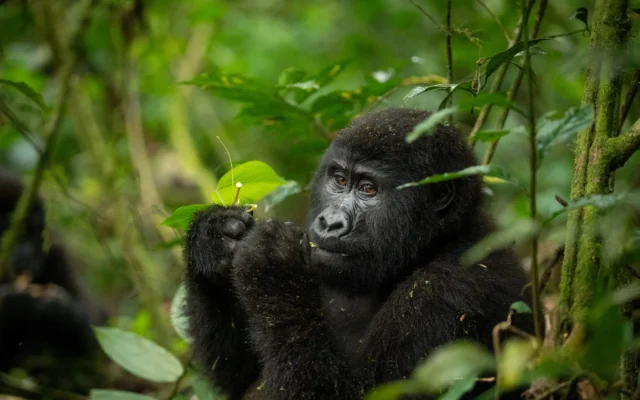
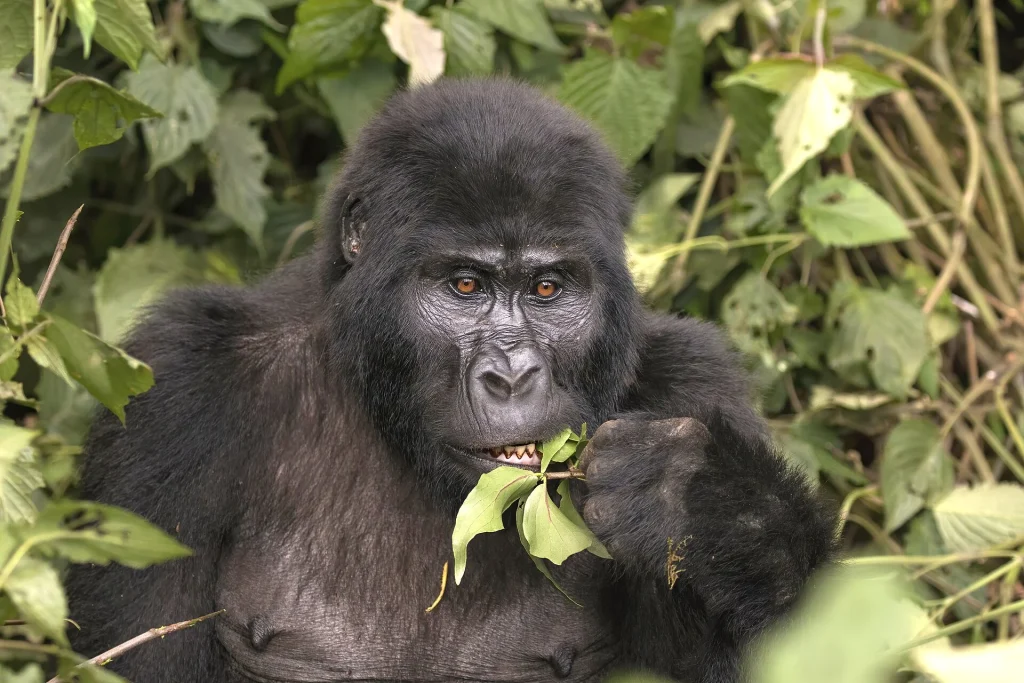
Gorilla trekking is still possible in Bwindi Impenetrable National Park and Mgahinga Gorilla National Park during March.
- Trails may be muddy and slippery
- Forest vegetation is dense and green
- Excellent photography opportunities
Porter assistance is recommended due to wet conditions.
Birding in March
March is one of the best birding months in Uganda:
- High bird activity due to breeding season
- Migratory species still present
- Wetlands and forests highly active
Top birding sites include Mabamba Swamp, Queen Elizabeth National Park, Bwindi Forest, and Kibale Forest.
Best Safari Destinations in March
Mabamba Swamp
- Shoebill Stork sightings
- Excellent canoe birding experience
Queen Elizabeth National Park
- Kazinga Channel boat safari
- Rich birdlife and mammals
Bwindi Impenetrable National Park
- Gorilla trekking
- Dense rainforest biodiversity
Murchison Falls National Park
- Boat safari on the Nile
- Strong wildlife and bird activity
Safari Costs in March
March is a low-season month, making it more affordable:
- Budget safaris: USD 150–250 per day
- Mid-range safaris: USD 250–450 per day
- Luxury safaris: USD 500–1,200+ per day
Discounted lodge rates are often available.
Advantages of a Uganda Safari in March
- Fewer tourists in parks
- Lower safari and accommodation prices
- Excellent birding conditions
- Lush green landscapes
Challenges of Traveling in March
- Increasing rainfall and muddy roads
- Some hiking trails become slippery
- Occasional travel delays
What to Pack for March Safaris
- Waterproof jacket
- Quick-dry clothing
- Sturdy hiking boots
- Binoculars
- Waterproof bag for electronics
Transport Conditions in March
- Some roads become muddy in rural areas
- 4×4 vehicles are essential
- Allow extra travel time between parks
Conclusion: Uganda Safari in March Experience
Uganda Safari in March offers a unique blend of lush scenery, excellent birding, and budget-friendly travel opportunities. While rain is expected, it enhances the beauty of Uganda’s landscapes and supports rich wildlife activity.
From gorilla trekking in Bwindi to birding at Mabamba Swamp and game drives in Queen Elizabeth National Park, March remains a rewarding month for adventurous travelers.
March Transition
March opens long rains—mornings often productive, afternoons storm-prone. Gorilla trekking continues; trail difficulty rises. Savanna visibility drops as grass grows; predators still found with ranger skill. Budget lodges drop rates—strong value for tolerant travelers.
March Birding Boom
Breeding season colour peaks for many forest and wetland species—serious birders favour March despite mud. Shoebill nesting behaviour varies year to year; local guides adjust Mabamba timing daily.
Confirm April and green season guidance when trips span multiple rainy months.
March Forest Birding
Green broadbills and pittas become vocal in March forests—serious listers tolerate rain for audio cues impossible in dry months. Kibale and Bwindi birding walks can run parallel to chimp or rest-day schedules when gorilla permits anchor your trip on fixed dates.
Flexible Date Strategy
If permits or lodges are sold out on your first-choice week, shift three to seven days within the same month before abandoning the season entirely. Shoulder weeks often deliver ninety percent of peak-season wildlife with lower prices and quieter trails. Operators monitoring live UWA availability can advise micro-shifts invisible to travelers searching only fixed Saturday arrivals in August.
Insurance and Weather Delays
Equatorial rain can close rural bridges or delay domestic flights even in “dry” months—build one buffer day on multi-park loops. Travel insurance covering permit rescheduling and missed connections adds value in March–May and October–November more than in mid-July, yet surprises happen year-round. Lodge late-check-in policies vary; inform properties when storms delay road transfers from Entebbe.
 Read
Read