Related pricing guides
- Uganda Safari Cost: Complete Guide to Planning Your African Safari Budget
- How Much Does a Uganda Safari Cost
- Uganda Safari Price Guide: Complete Breakdown of Safari Costs in Uganda
- Uganda Safari Cost Per Person: Complete Guide to Individual Safari Pricing in Uganda
- Uganda Tour Cost: Complete Pricing Guide for Safaris and Travel Packages
- All safari cost guides →
Introduction: Planning a Realistic Uganda Safari Budget
Planning an African safari is exciting, but it can also feel financially overwhelming without clear guidance. One of the most common mistakes travelers make is focusing only on headline package prices without understanding what actually makes up the total safari cost. A realistic Uganda safari budget planner helps eliminate surprises, align expectations with reality, and ensure travelers choose the safari style that best matches both their dreams and their finances.
Uganda is one of Africa’s most diverse safari destinations, offering extraordinary experiences that range from mountain gorilla trekking and chimpanzee tracking to Big Five wildlife safaris, luxury fly-in expeditions, cultural immersion, birdwatching journeys, Nile cruises, hiking adventures, and family wildlife holidays. Because Uganda serves such a broad spectrum of travelers, budgets vary enormously.
A solo backpacker on a simple wildlife road trip will spend dramatically less than a honeymoon couple staying in luxury lodges and flying between parks. A 3-day gorilla trekking holiday may cost more than a 7-day classic wildlife safari because gorilla permits are premium conservation experiences.
This detailed budget planner helps travelers understand exactly where money goes, how to estimate safari expenses realistically, and how to build a safari budget that matches personal priorities.
Step 1: Define Your Safari Travel Style
The first budgeting decision is identifying what kind of safari traveler you are.
This single decision affects almost every other cost component.
Budget Safari Traveler
Budget travelers prioritize wildlife experience over luxury comfort. This usually means practical lodges, road transport, efficient routing, and fewer premium add-ons. Budget does not mean low-quality wildlife experiences; it simply means making cost-conscious choices.
Typical daily estimate:
USD 200–500 per person
Midrange Safari Traveler
This is where most international travelers sit. Midrange safaris provide strong comfort, private safari logistics, good lodges, professional guiding, and excellent wildlife experiences without the high premiums of luxury travel.
Typical daily estimate:
USD 500–1,000 per person
Luxury Safari Traveler
Luxury travelers prioritize exclusivity, premium accommodation, personalized service, faster logistics, superior guiding, and elevated comfort throughout the journey.
Typical daily estimate:
USD 1,000–3,000+ per person
Step 2: Decide Whether Gorilla Trekking Is Included
This is the biggest budget decision for many travelers.
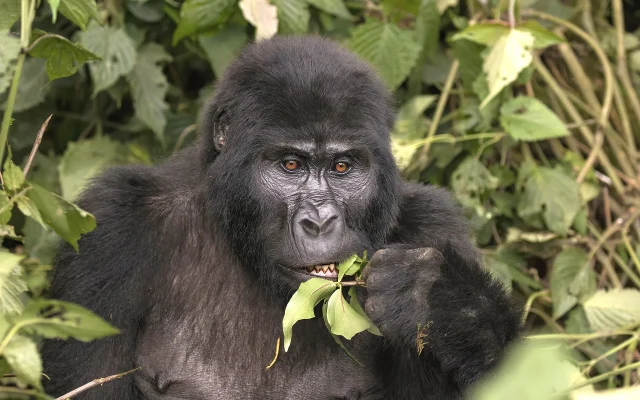
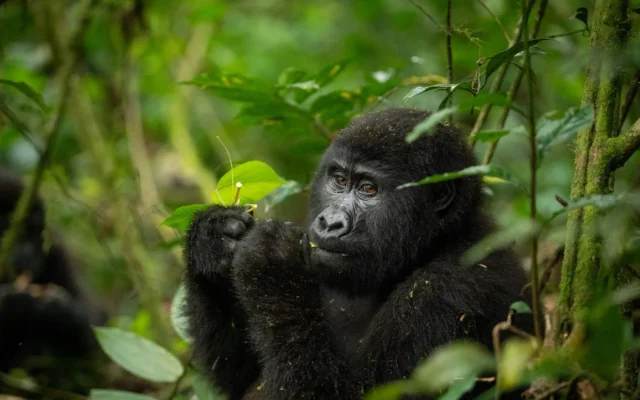
Mountain gorilla trekking is one of the world’s most extraordinary wildlife experiences and a major reason travelers choose Uganda.
However, it significantly affects safari budgets.
Current benchmark pricing:
Standard gorilla trekking permit: approximately USD 800 per traveler
Gorilla habituation permit: approximately USD 1,500 per traveler
Because these permits are mandatory, a couple including gorilla trekking immediately adds approximately USD 1,600 before considering accommodation, transport, or other safari expenses.
This explains why short gorilla safaris often cost more than longer wildlife-only itineraries.
Step 3: Choose Your Trip Length
Safari duration strongly affects total budget, but longer safaris do not always scale proportionally.
Fixed costs such as airport transfers, arrival logistics, and some transport setup are spread across more days on longer itineraries.
Realistic budget estimates:
3-Day Safari
USD 1,000–5,500+
Best for short wildlife escapes or gorilla-focused trips.
5-Day Safari
USD 2,000–10,000+
Good balance between depth and affordability.
7-Day Safari
USD 3,500–18,000+
Strong safari value range.
10-Day Safari
USD 5,500–30,000+
Ideal for deeper national park exploration.
14-Day Safari
USD 8,000–45,000+
Best for comprehensive Uganda exploration.
Step 4: Estimate Accommodation Costs
Accommodation can dramatically reshape your safari budget.
Budget Accommodation
Typical pricing:
USD 60–180 per night
Characteristics:
- practical safari lodges
- simple rooms
- clean functional comfort
- value-driven travel
Midrange Accommodation
Typical pricing:
USD 180–500 per night
Characteristics:
- comfortable safari properties
- private bathrooms
- good service
- quality dining
- immersive safari atmosphere
Luxury Accommodation
Typical pricing:
USD 500–2,000+ per night
Characteristics:
- premium safari lodges
- boutique wilderness camps
- high-end service
- prime wildlife locations
Step 5: Budget for Transport
Transport is one of the most misunderstood safari expenses.
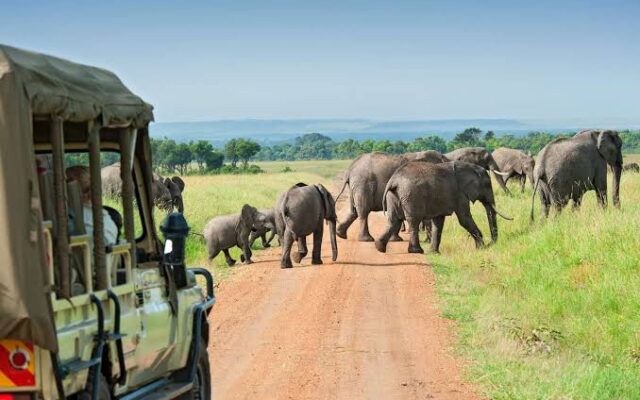
A safari vehicle is not ordinary transportation—it is your long-distance transport system, game-viewing platform, and operational safari base.
Road Safari Vehicle
Typical estimate:
USD 220–600+ daily
Usually includes:
- 4×4 safari vehicle
- driver-guide
- fuel
- basic logistics
Luxury Safari Vehicle
Typical estimate:
USD 350–900+ daily
Domestic Flights
For travelers choosing fly-in safaris:
USD 300–800+ one way
Flying saves significant time but substantially raises budgets.
Step 6: Include National Park Fees
Uganda safari budgets must account for park access costs.
Popular parks include:
- Bwindi
- Murchison Falls
- Queen Elizabeth
- Kibale
- Kidepo
- Lake Mburo
- Mgahinga
Budget estimate:
USD 40–50+ daily per traveler
Multi-park itineraries accumulate these quickly.
Step 7: Add Optional Activities
Activity selection significantly changes safari cost.
Examples:
Chimpanzee trekking: USD 250+
Chimpanzee habituation: USD 300+
Rhino tracking: USD 50+
Boat safari: USD 30–100+
Game drives: variable
Birding excursions: variable
Cultural visits: variable
Step 8: Account for Group Composition
Who you travel with changes everything.
Solo Travelers
Highest per-person cost because fixed logistics are not shared.
Couples
Often the strongest value segment due to shared accommodation and transport.
Families
Total budgets rise sharply, but per-person efficiency can improve.
Small Groups
Often the most cost-efficient safari model.
Step 9: Budget Hidden Costs
Many travelers underbudget because they ignore secondary costs.
Common overlooked expenses:
- international flights
- travel insurance
- visa fees
- tips
- porter fees
- laundry
- alcoholic beverages
- airport hotels
- souvenirs
- extra meals
Sample Uganda Safari Budget Scenarios
Budget Couple Gorilla Safari
Estimated:
USD 3,000–6,000+
Midrange 7-Day Safari
Estimated:
USD 5,000–12,000+
Luxury Gorilla Honeymoon Safari
Estimated:
USD 10,000–30,000+
Luxury Fly-In Family Safari
Estimated:
USD 15,000–50,000+
How to Lower Your Uganda Safari Budget
Travelers can significantly improve safari value through strategic planning.
Best methods include traveling outside peak demand windows, choosing road-based itineraries instead of domestic flights, selecting midrange accommodation, joining shared departures where practical, booking early for stronger rates, and building efficient safari routes that reduce wasted transit time.
Budget discipline does not require sacrificing wildlife quality—only smarter planning.
Conclusion
A Uganda safari budget planner is not about limiting your dream—it is about aligning ambition with realistic planning. Once travelers understand the major cost drivers, building the right safari becomes far easier, more transparent, and far more enjoyable.

 Read